Munich City Museum
Munich
architectureculturenature+4
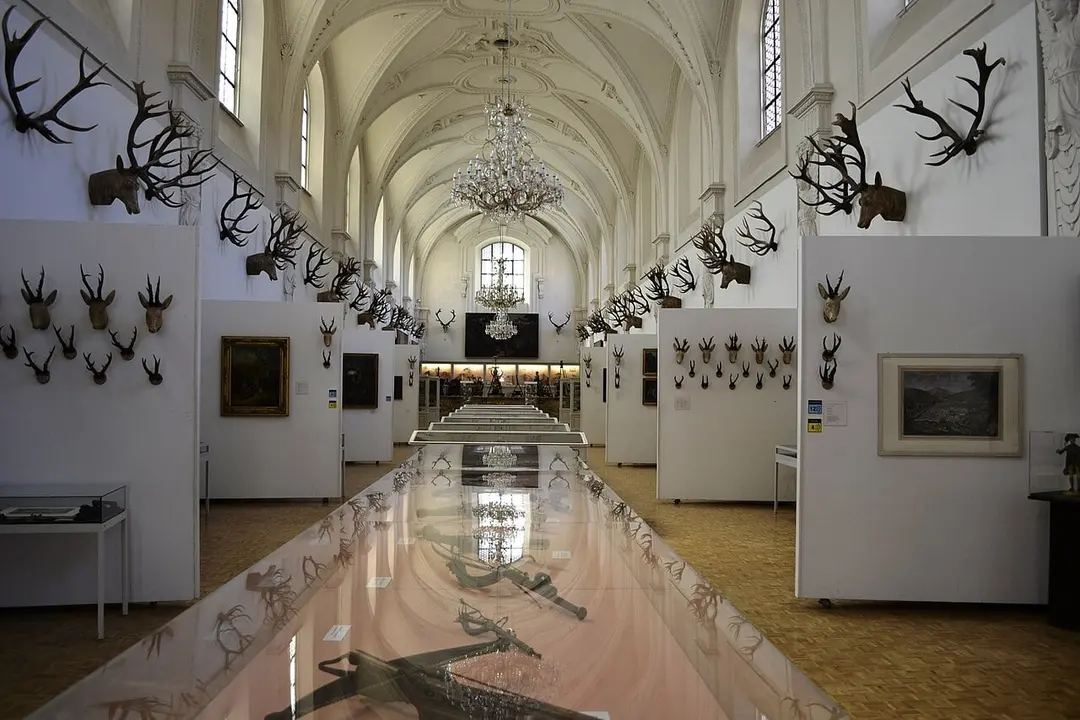
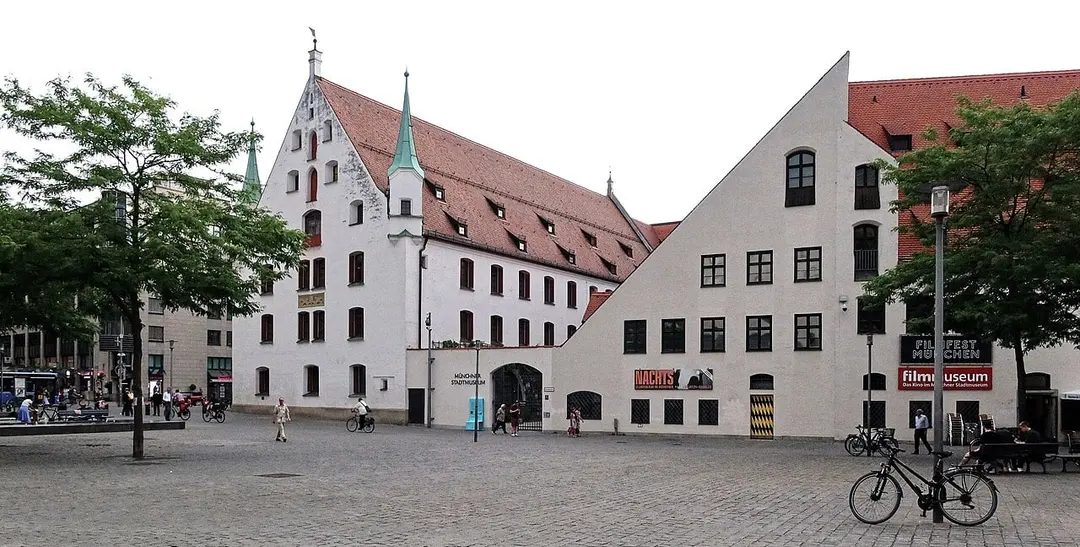
Collection of Munich city history from the Middle Ages to today — fashion, photo, the film museum and the Moriskentänzer cabinet.
family outings
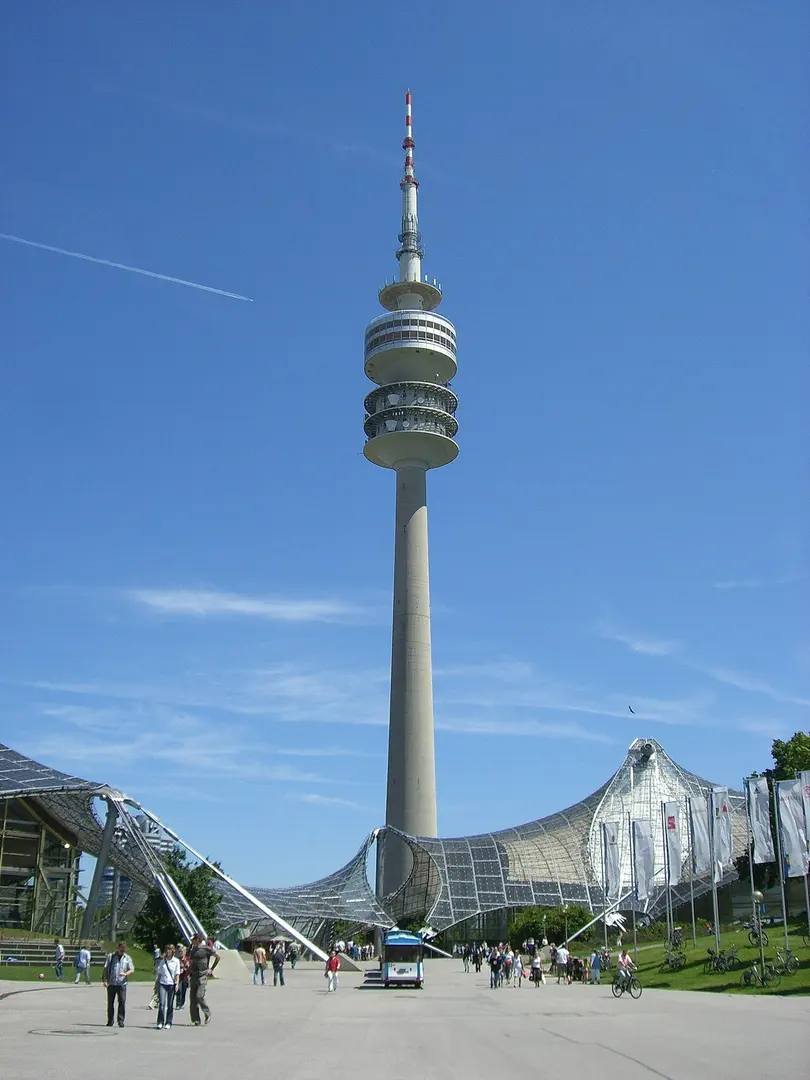
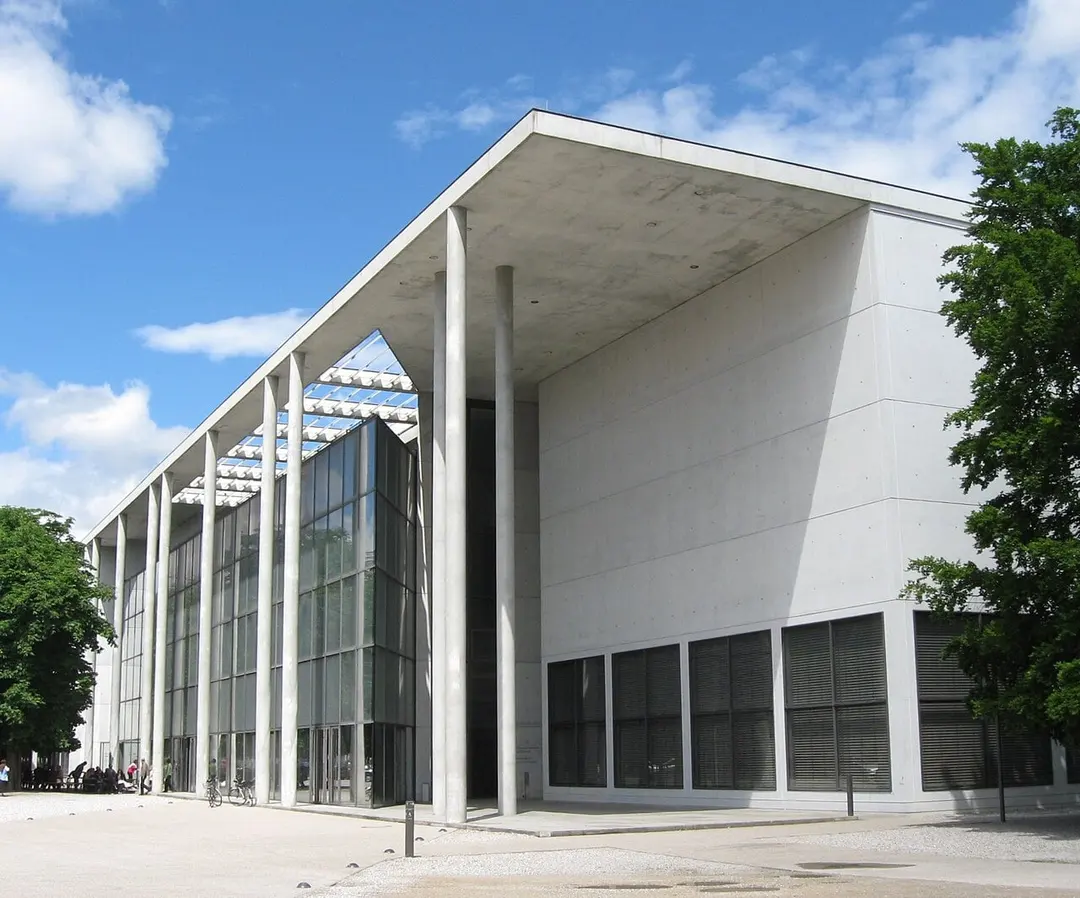
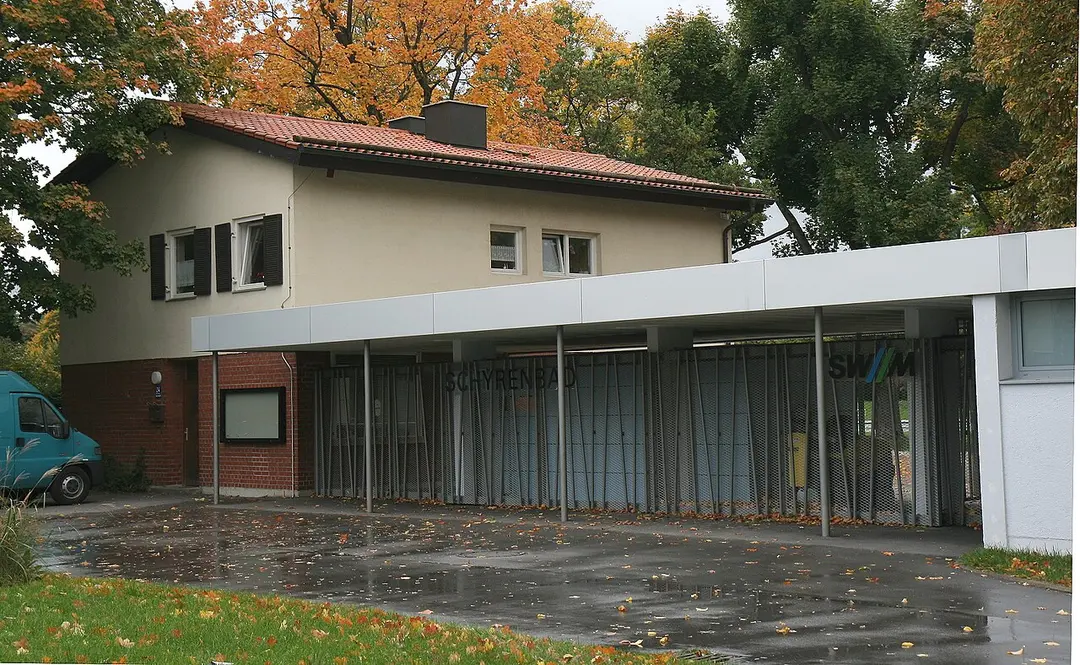
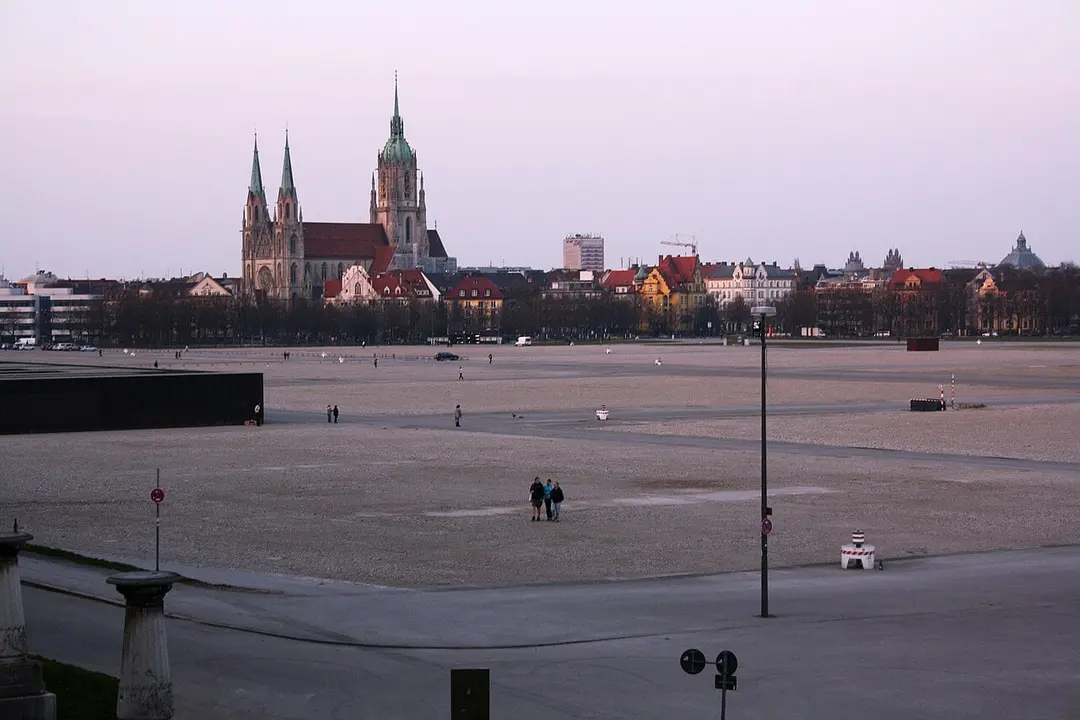
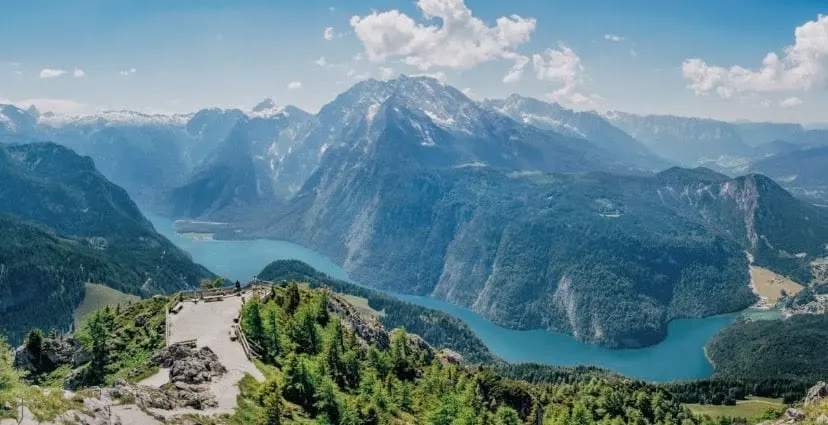
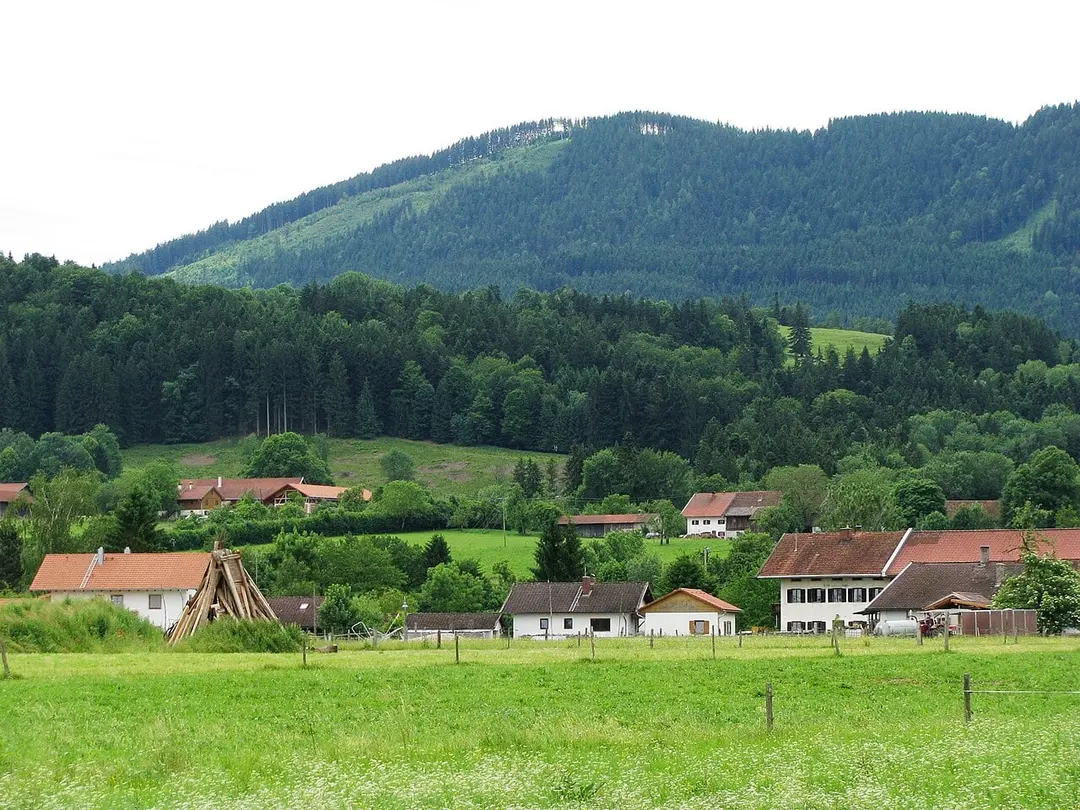
Munich has a wide range of family outings to suit different interests. The Munich City Museum and the Alter Hof offer glimpses into the city's history, while the Alte Pinakothek and Pinakothek der Moderne bring art within reach of all ages. The Olympiaturm provides sweeping views across the city, and the open grounds of Theresienwiese are ideal for an afternoon outside. Families seeking fresh air and water can head to the Schyrenbad or the Ammersee, while the Amalienburg makes for a pleasant park visit. Further afield, the Blomberg Westgipfel and the Bayerische Alpen offer hiking and nature, and the Allianz Arena appeals to football fans young and old.
29 places · Munich, Germany · Editorially curated
Munich
Collection of Munich city history from the Middle Ages to today — fashion, photo, the film museum and the Moriskentänzer cabinet.
Munich
1968 transmission tower with viewing platform and revolving restaurant — clear Alpine views on Föhn days.
Munich
Stephan Braun's 2002 glass rotunda with four collections under one roof: art, design, architecture, works on paper.
Munich
Munich's oldest outdoor pool complex, neoclassical 1930s architecture, large lawn, diving tower — a local favorite.
Munich
16 days of Oktoberfest a year, otherwise a park with the Bavaria statue, the Frühlingsfest and Tollwood — Munich's biggest festival ground.
Munich
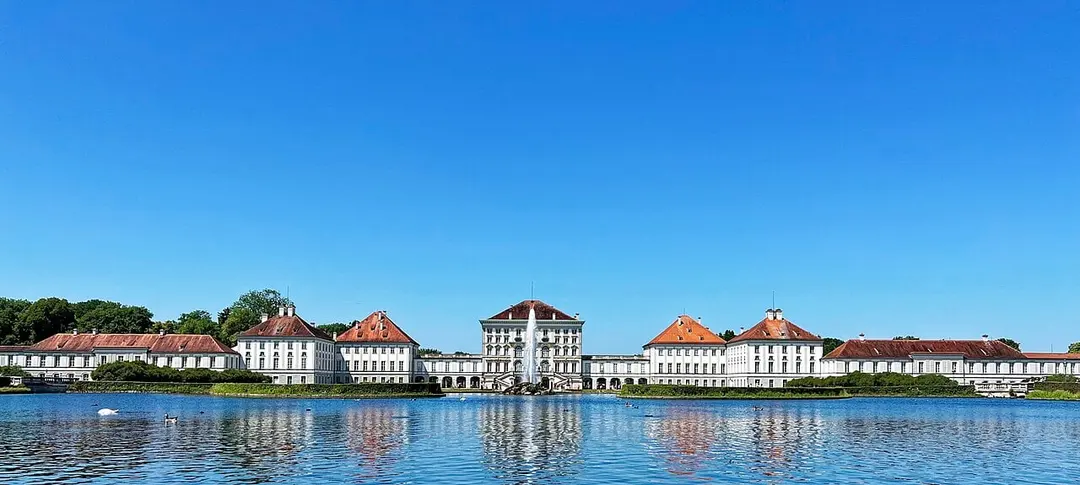
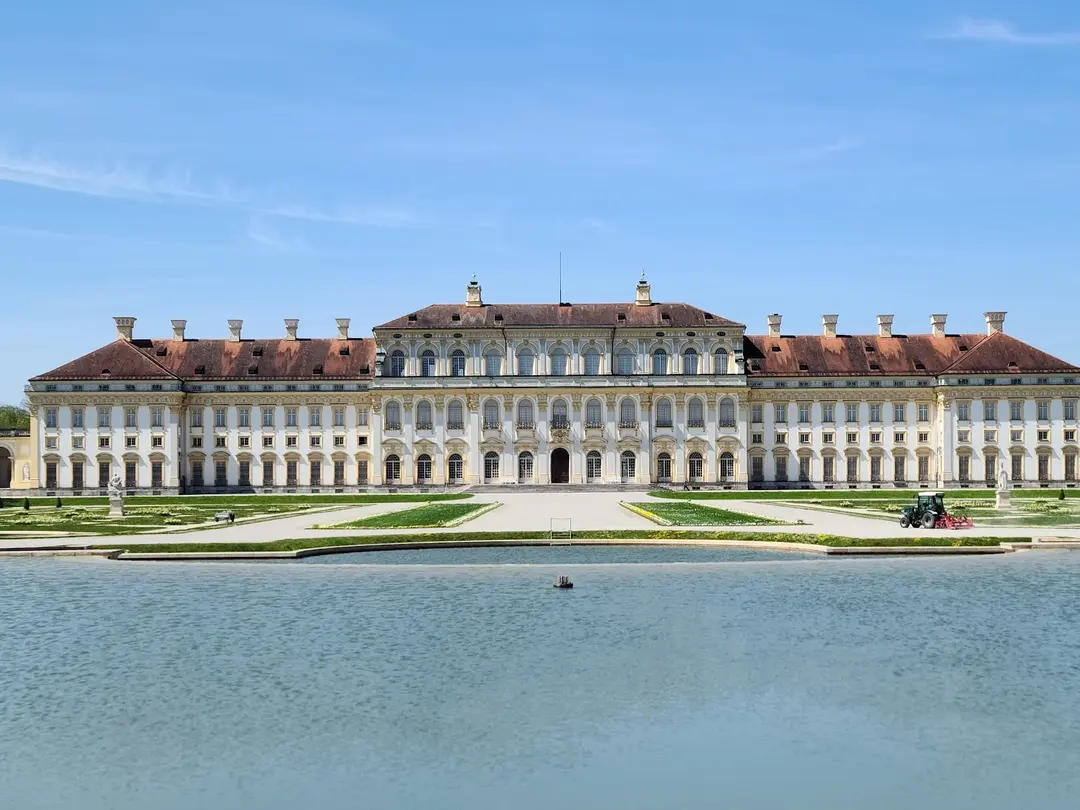
Baroque three-palace complex with French garden, Great Hall and old gallery — Munich's mini-Versailles.
Munich
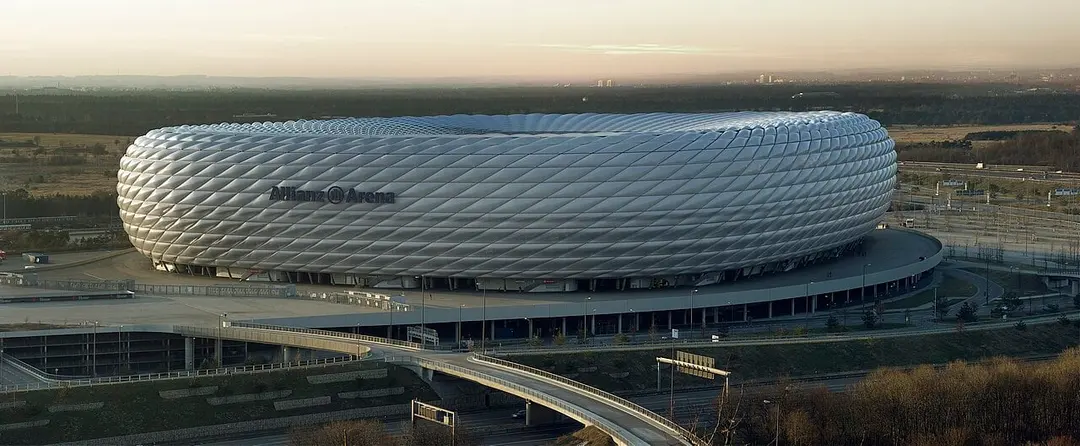
Bayern Munich's home ground, 75,000 seats wrapped in ETFE cushions that glow red, white or blue at night.
Munich
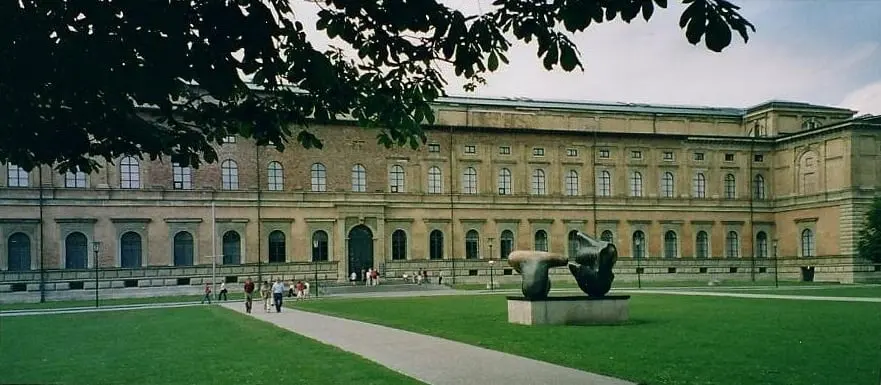
One of the world's largest old-master collections: Dürer, Rubens, Rembrandt, Leonardo, Titian under one roof. Built in 1836 as the first public museum at this scale.
Munich
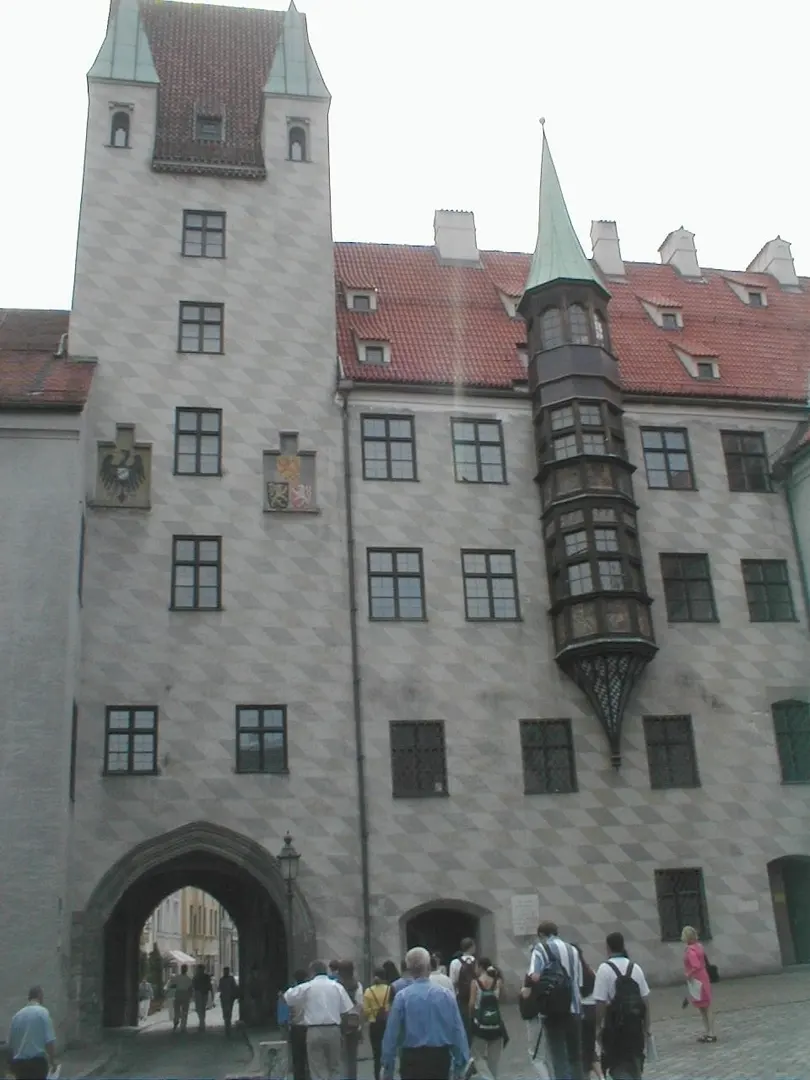
The Alter Hof is Munich's oldest surviving seat of power, built as a ducal fortress in the late 12th century. From 1255 it served as the residence of the Dukes of Upper Bavaria and briefly functioned as an imperial palace under Ludwig the Bavarian. The sprawling complex — comprising several wings and courtyards — survived centuries of urban growth around it. Today it houses government offices alongside a small museum on Wittelsbach history, while the courtyard invites visitors to step into Munich's medieval core.
Munich
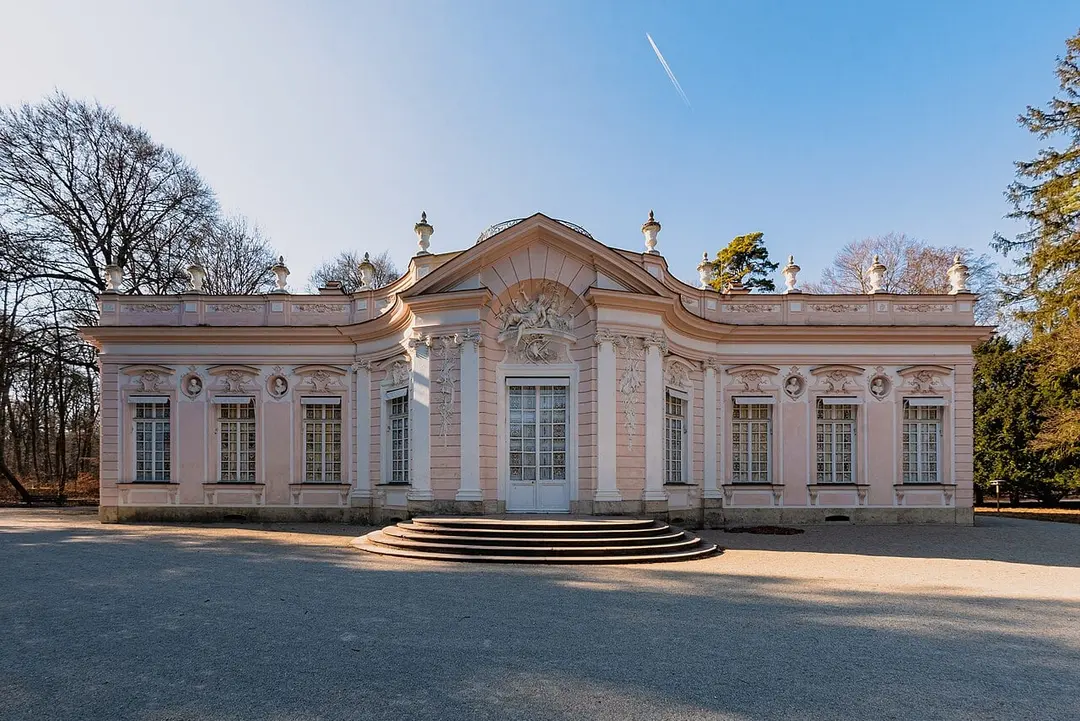
The Amalienburg is considered the finest of the four garden pavilions in Nymphenburg Palace Park and a masterpiece of European Rococo. Elector Karl Albrecht commissioned the small hunting lodge between 1734 and 1739 as a gift for his wife Maria Amalia — hence the name. Architect François de Cuvilliés created a jewel whose plain exterior gives no hint of the dazzling Hall of Mirrors within, a swirling fantasy of stucco, silver, and gold. Open to the public as part of the Bavarian Palace Administration, the Amalienburg remains one of the most visited treasures of the Nymphenburg grounds.
Munich
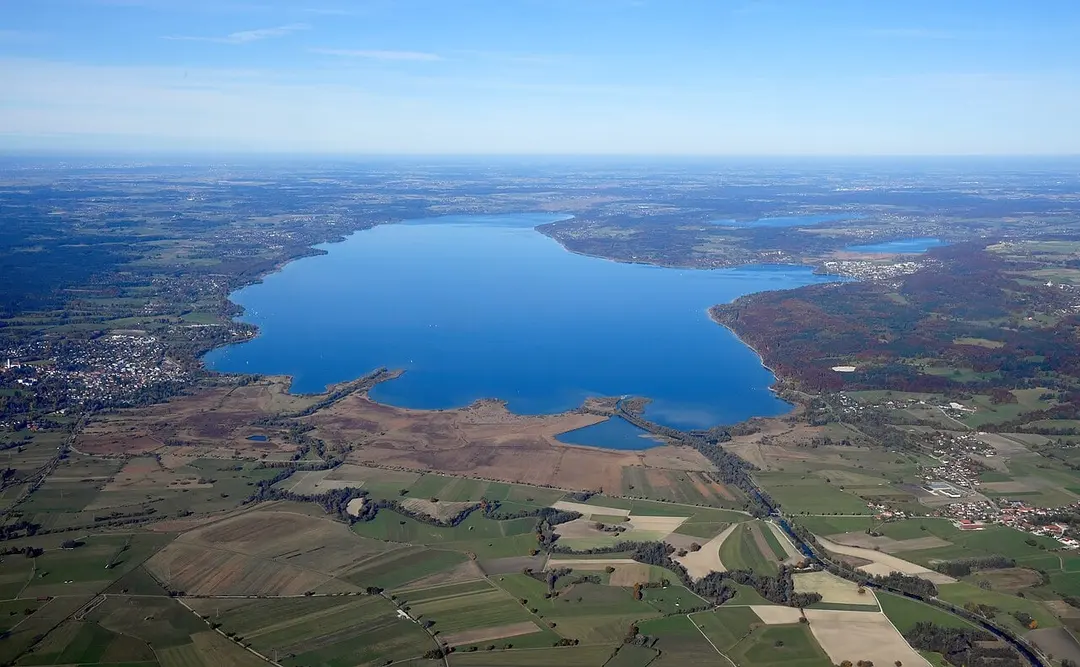
Ammersee is Bavaria's third-largest pre-Alpine lake, covering around 47 square kilometres and lying just an hour south-west of Munich. Owned by the Free State of Bavaria and administered by the Palace Administration, the lake enjoys strong environmental protection. Picturesque villages like Herrsching, Diessen, and Utting line its shores, offering beer gardens, jetties, and swimming spots. Whether you come to sail, surf, cycle the shoreline, or simply take a dip in clean water, Ammersee is a classic Munich day-trip destination that draws families, couples, and outdoor enthusiasts throughout the summer months.
Munich
Munich
Munich
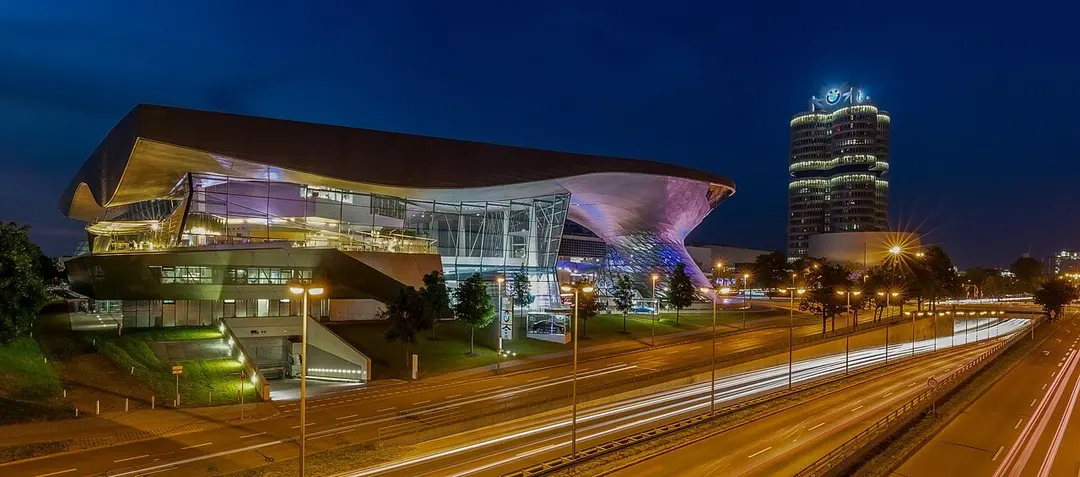
Coop Himmelb(l)au's 2007 double-cone showroom right by the Olympic Park, with delivery atrium and restaurants.
Munich
Munich
Munich
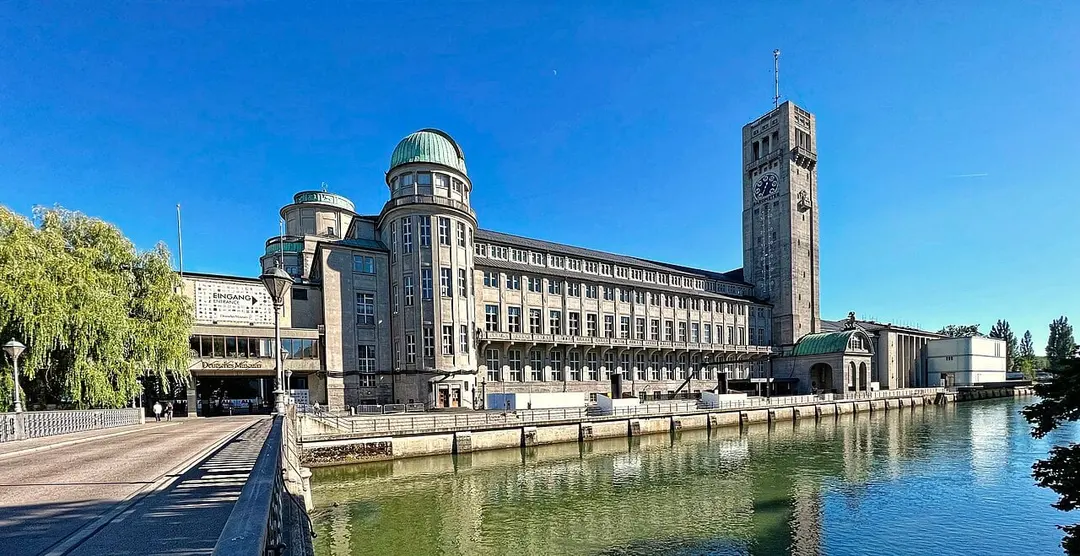
On the Isar's Museumsinsel — 28,000 objects from Galileo's pendulum to a U-boat — one of the world's largest science museums.
Munich
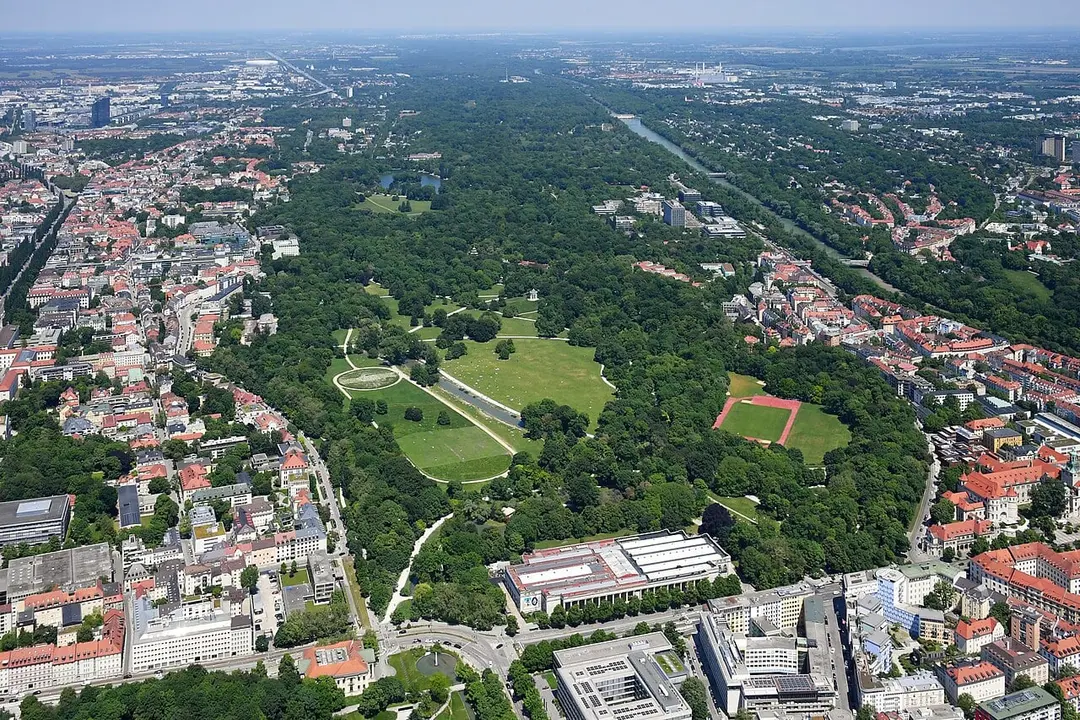
925 acres — one of Europe's largest inner-city parks. The Eisbach standing wave at the south end, Chinese Tower with beer garden, open meadows out to Hirschau beach.
Munich
World's first geozoo (1928): 760 species arranged by habitat instead of cage row, set in the Isar floodplain forest.
Munich
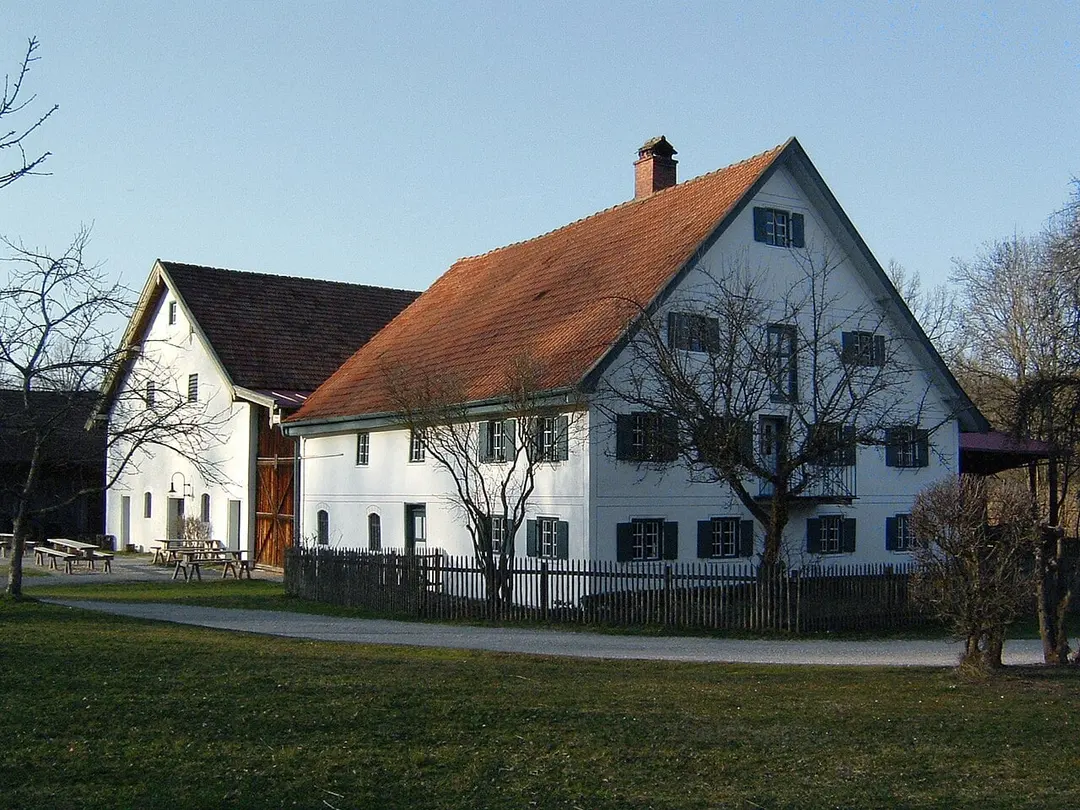
The Jexhof Farm Museum is located in the Fürstenfeldbruck district, nestled in a valley at the edge of the Wildmoos nature reserve near Schöngeising. The museum depicts Bavarian rural life over several centuries, on a historically preserved farmstead with original tools and equipment. Jexhof belongs to the Landpartie museum network and is operated by the Fürstenfeldbruck district. Since opening in 1983, it has been a popular destination for families and school groups from the Munich area. What makes it particularly attractive is its location away from tourist noise, in a quiet landscape that is itself part of the experience. Animals, historic buildings, and an adjacent nature reserve make for a varied visit.
Munich
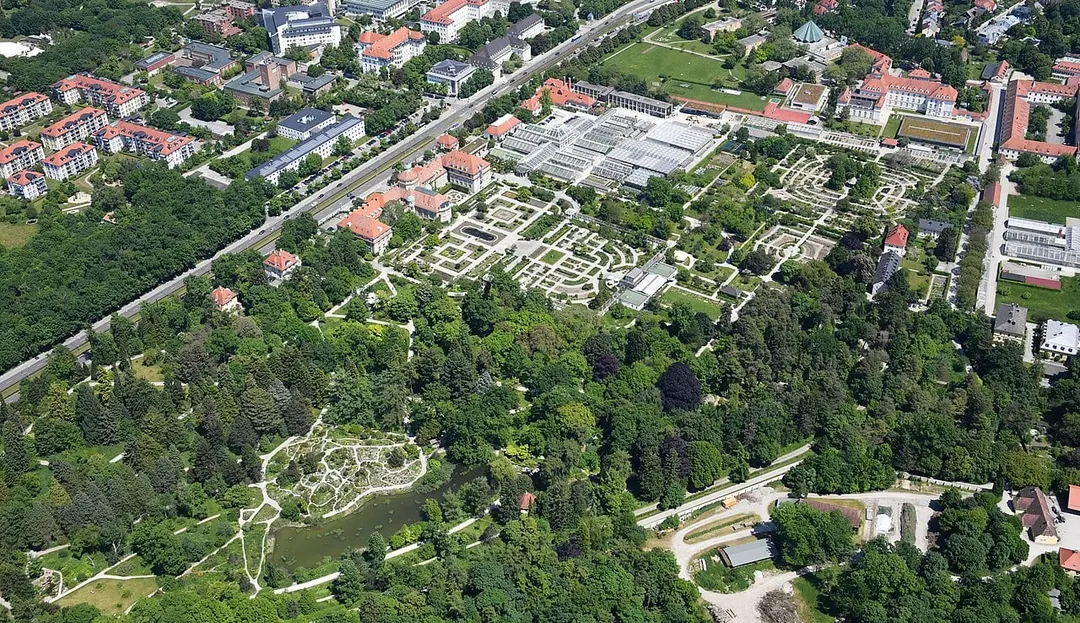
The Botanischer Garten München-Nymphenburg, also known as the New Botanical Garden, lies north of Nymphenburg Palace Park and covers around 21 hectares. Opened in 1914, it is one of the larger botanical gardens in Germany, attracting over 350,000 visitors a year. The garden houses more than 14,000 plant species from around the world and is today part of the Bavarian State Natural Science Collections. The greenhouses, alpinum, and rose gardens are particularly popular. The grounds offer relaxation, scientific insights, and a pleasant walk along the Nymphenburg palace axis.
Munich
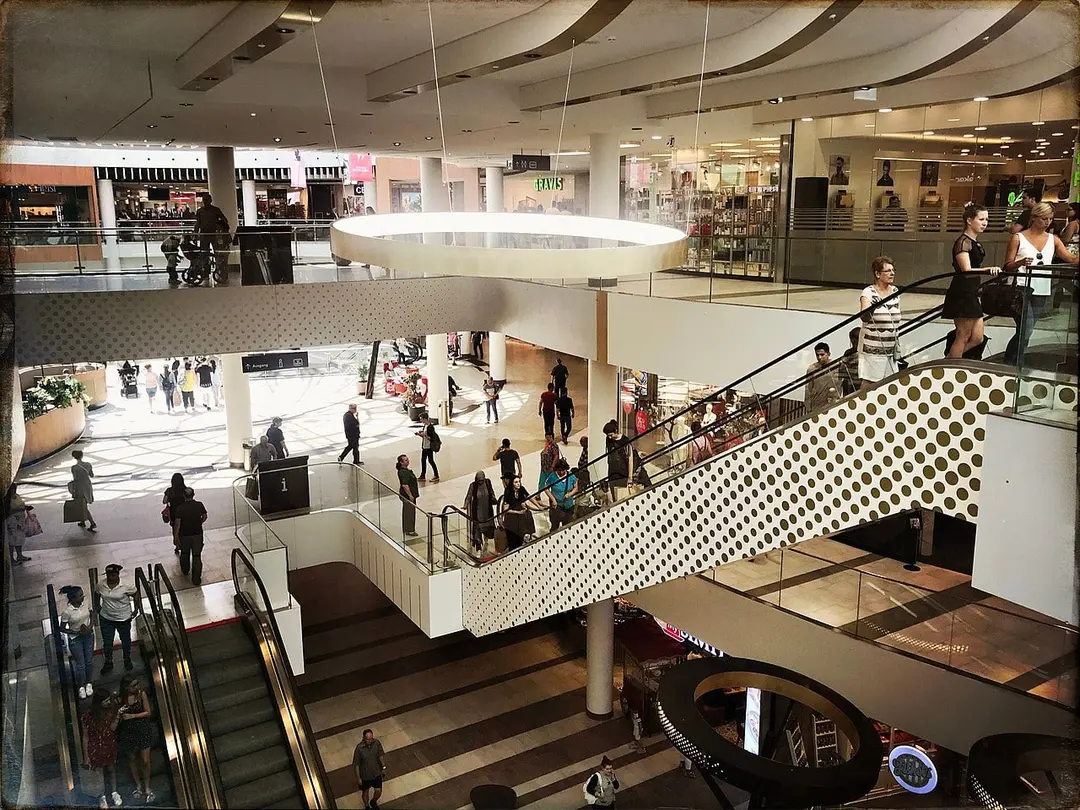
The pep is the largest shopping center in Munich's southeast, anchoring the Neuperlach district as its main retail hub. Opened in 1981, it spans around 60,000 square meters with over 135 specialty stores covering fashion, electronics, and food. A 2002 study ranked it as Germany's most profitable shopping center, with revenue per square meter twice the national average. Today it remains a key destination not just for shopping but also as a transport hub in Munich's southeast, with direct access to the U5 metro line.
Munich
Wittelsbach summer residence with 500 acres of gardens, the Gallery of Beauties and the Marstall carriage museum.
Munich
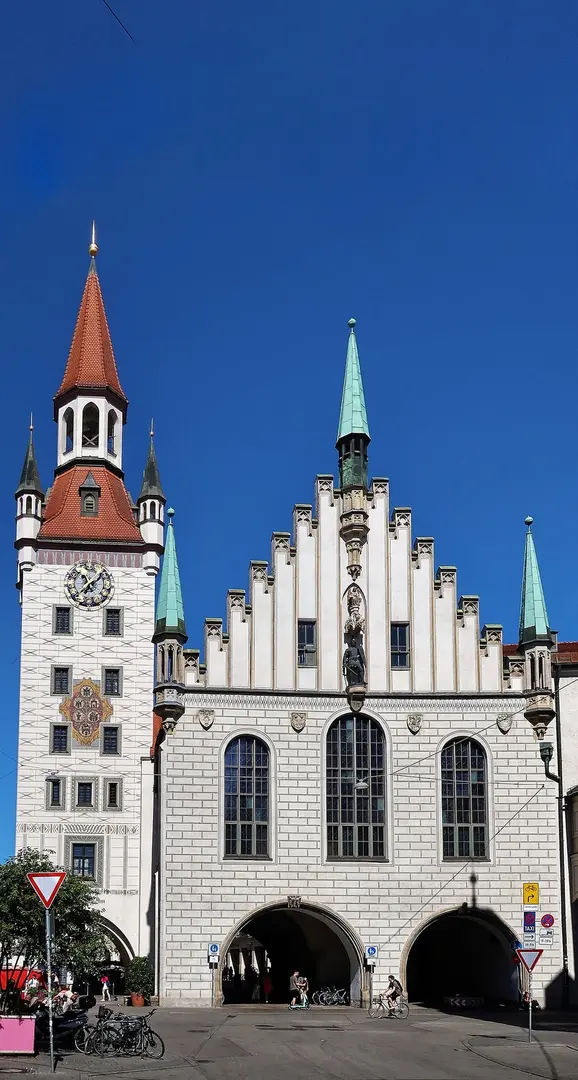
The Old Town Hall on Marienplatz was built between 1470 and 1475 by city architect Jörg von Halsbach in the Gothic style. For nearly four centuries it served as the seat of Munich's city council until the administration moved to the new town hall in 1874. The building suffered heavy damage in World War II and was faithfully reconstructed afterwards. Today the tower houses the Munich Toy Museum, with a charming collection of historic dolls, teddy bears, and tin toys — a magnet for families and nostalgia lovers alike.
Munich
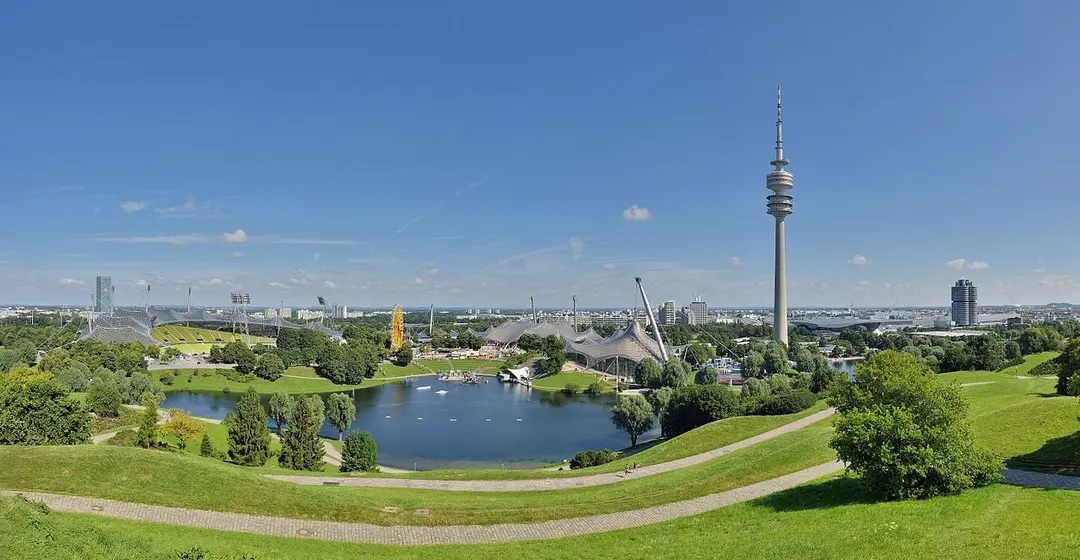
Iconic 1972 Summer Games venue — Frei Otto's floating tent-roof architecture, Olympiaberg viewpoint over the city, 14 km of running trails around the grounds.
Munich
Munich's signature landmark: late-Gothic brick cathedral with two copper-domed Welsche Hauben (99 m and 100 m).
Munich
Munich
Munich
Keep exploring
Rate places with a swipe — TravelType learns from your tags what you love and curates your own map. Private until you choose to share.