Asamkirche
Munich
architectureculturehistory+3
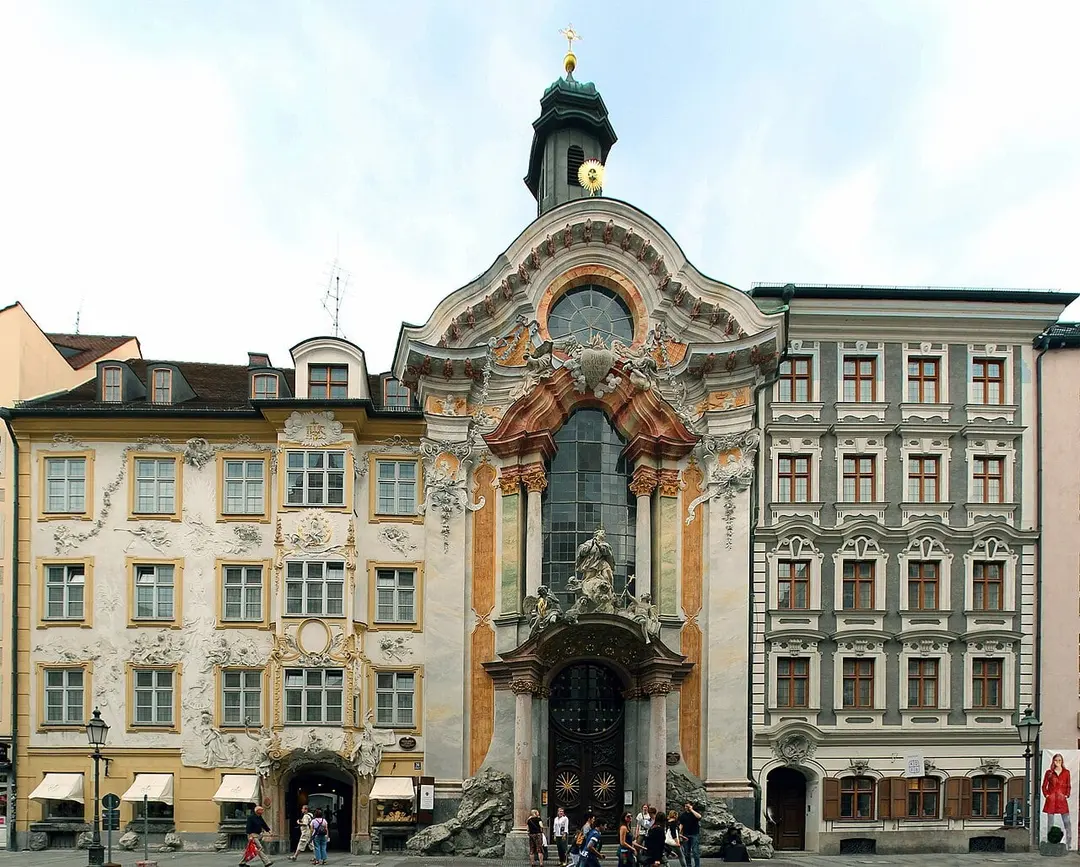
Built by the Asam brothers 1733–46 as a private church — one of the purest examples of Southern German late Baroque, dripping gold and stucco.
mystery
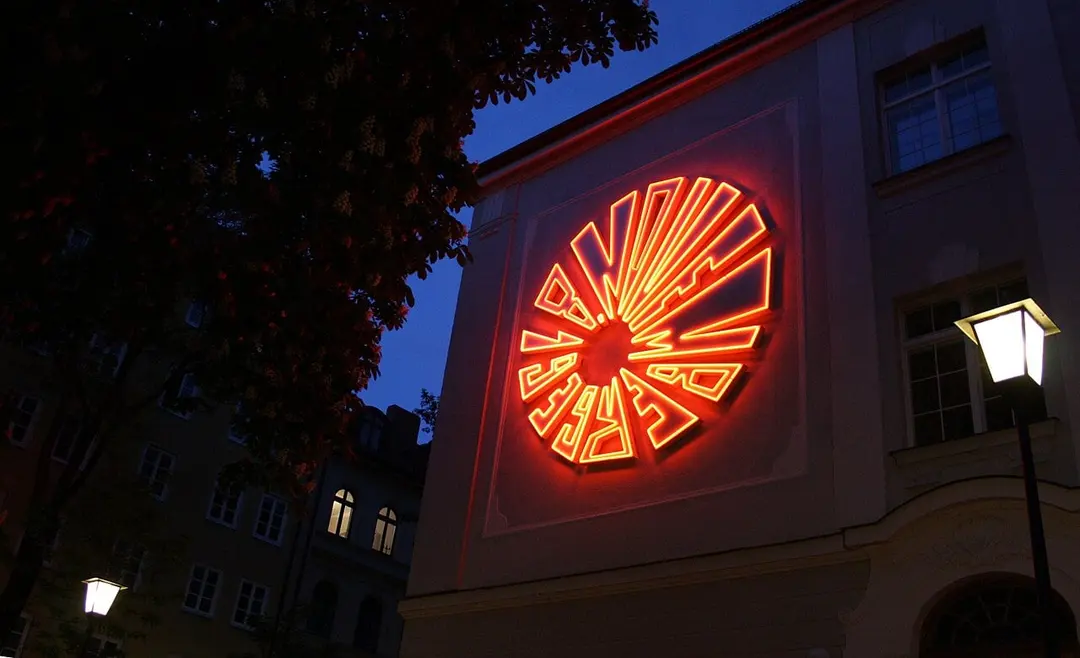
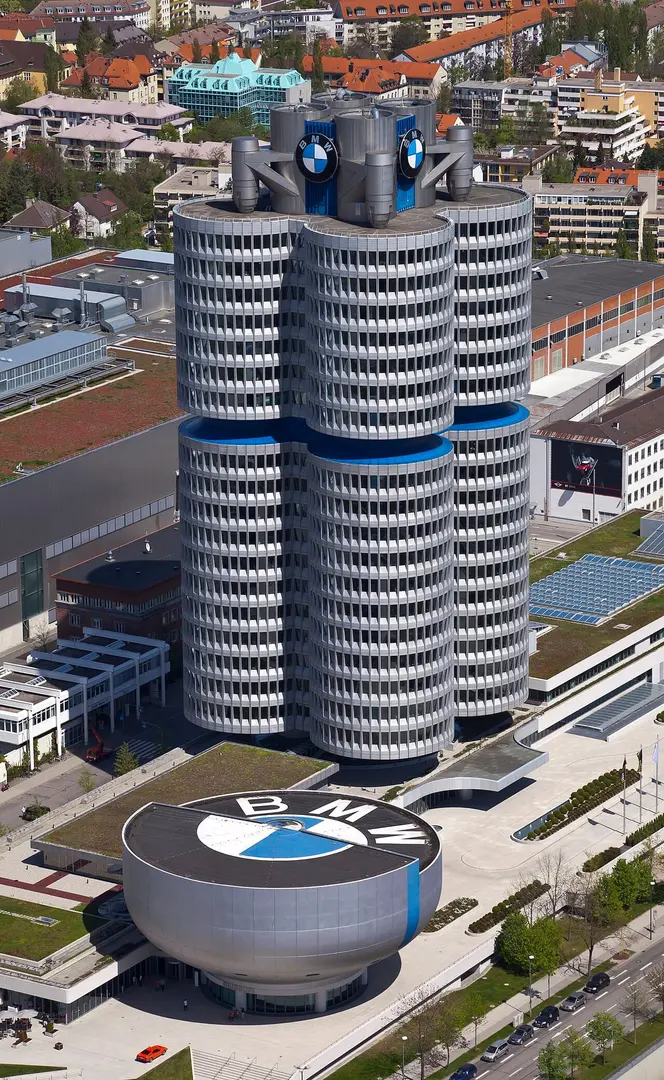
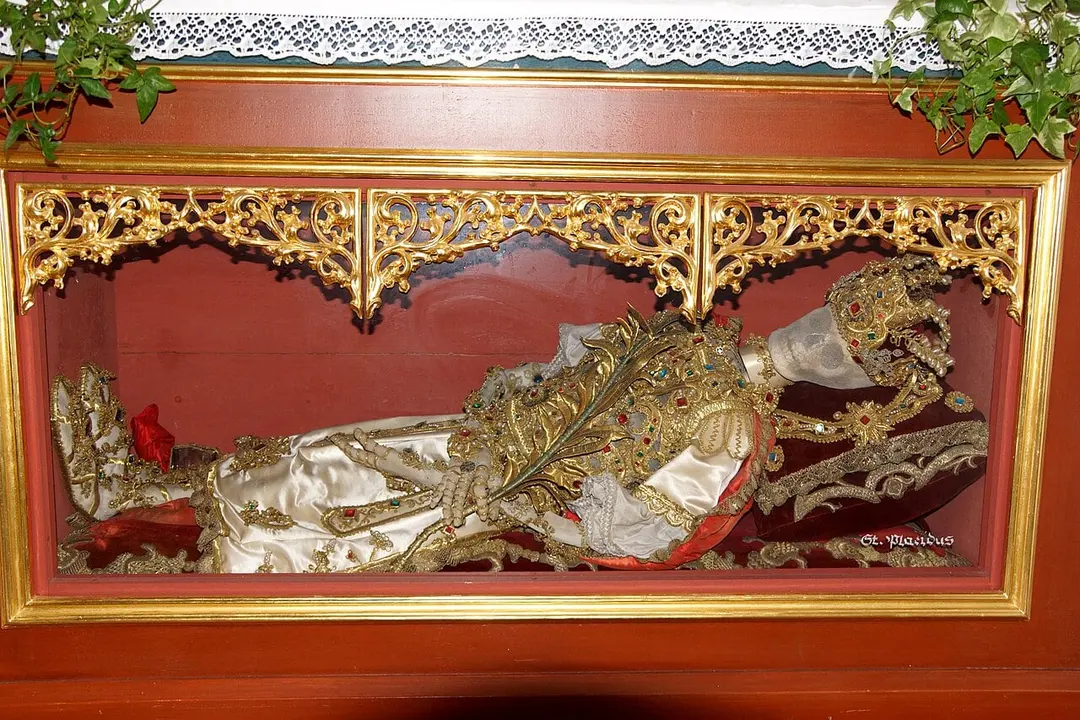
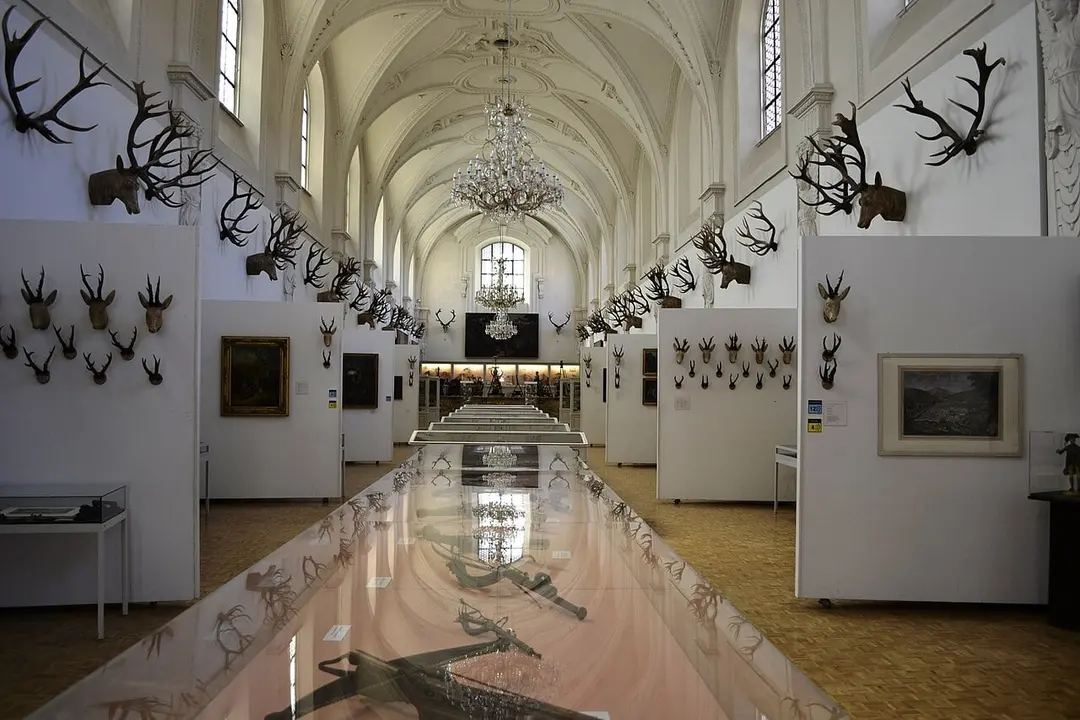
Munich reveals an unexpected side when explored through its more enigmatic corners. The Asamkirche stuns with its dense baroque interior, while the Theatinerkirche holds a quieter gravity. A memorial marks the events of 8 November 1939, anchoring the city's darker history in stone. The Catacomb Saints on display at the Deutsches Jagd- und Fischereimuseum — gilded skeletal figures — remain one of the city's strangest sights. The Archaeological State Collection, the overgrown earthworks of Burgstall Gegenpoint, and the layered streets of the Haidhausen French Quarter each carry their own unresolved stories, set against the sharp outlines of the BMW Headquarters and Brainlab Tower.
15 places · Munich, Germany · Editorially curated
Munich
Built by the Asam brothers 1733–46 as a private church — one of the purest examples of Southern German late Baroque, dripping gold and stucco.
Munich
Neighborhood named after French cities (Pariser, Bordeauxplatz), brick tenements and a big weekly market — creative Munich.
Munich
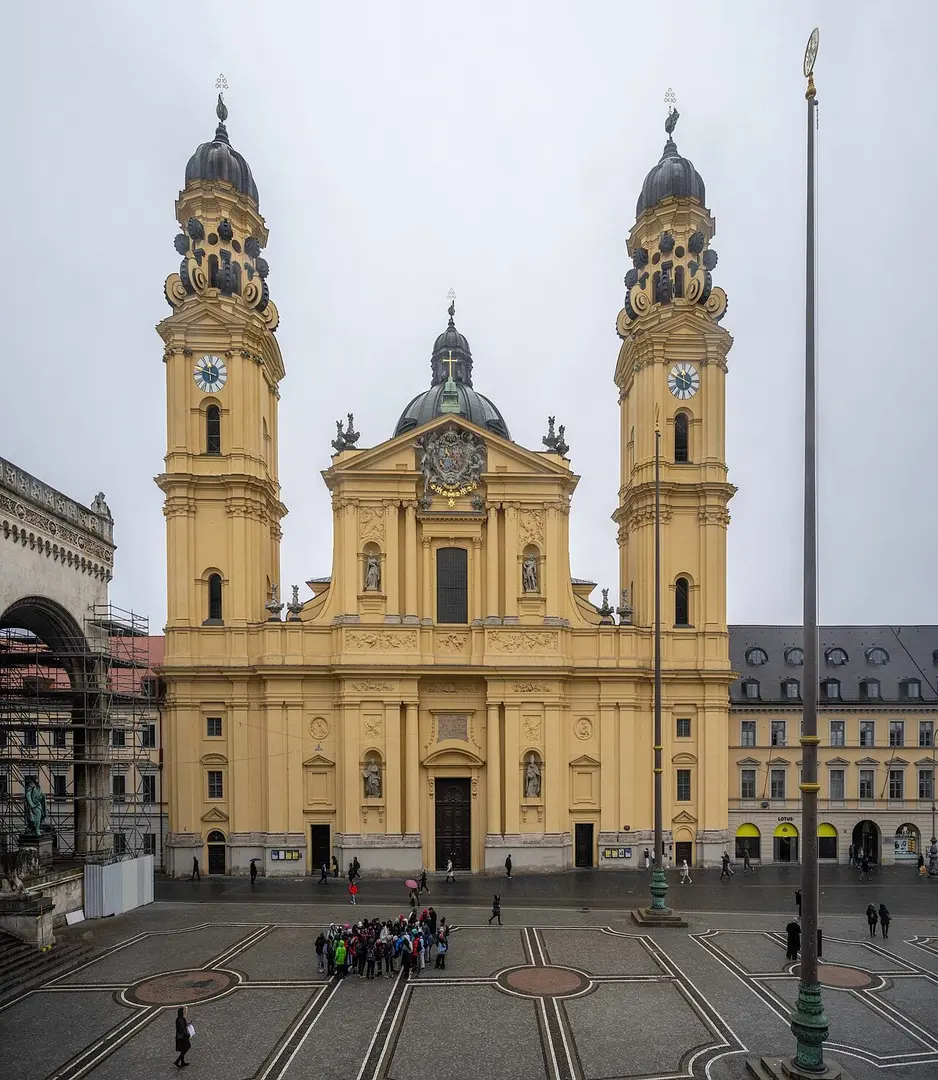
1690 court church with a 71 m dome and twin-tower façade after Roman models — its yellow defines the skyline.
Munich
Munich
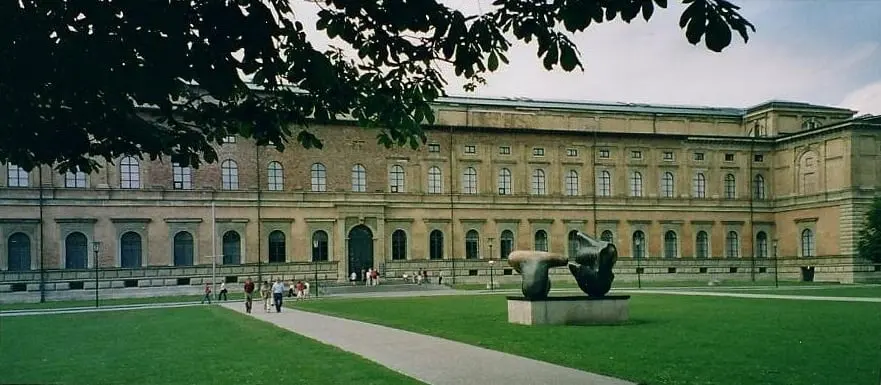
One of the world's largest old-master collections: Dürer, Rubens, Rembrandt, Leonardo, Titian under one roof. Built in 1836 as the first public museum at this scale.
Munich
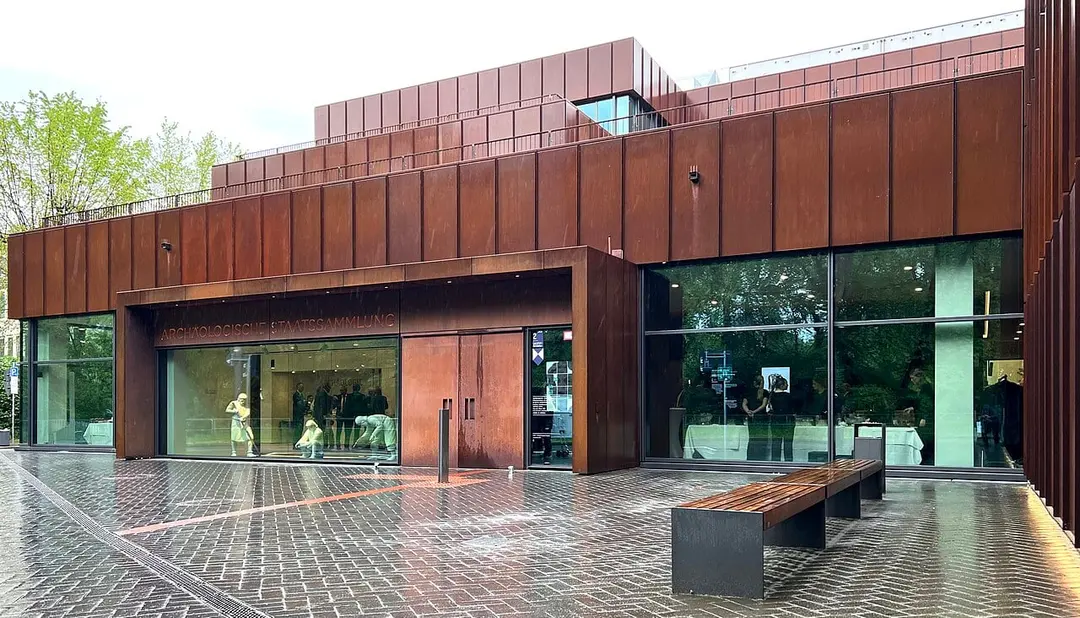
The Archaeological State Collection is Bavaria's central museum for prehistory and early history, safeguarding the remains of human life in southern Germany from the Old Stone Age through the early Middle Ages. Visitors encounter around 600,000 years of history: hand axes from the Ice Age, opulent Celtic princely graves with exquisite goldwork, Roman everyday objects and tombstones, and Frankish jewelled fibulae. A dedicated section covers the Mediterranean and the Near East, illustrating how Bavaria has always been woven into a broader European cultural fabric. The museum occupies a building in central Munich and has recently modernised its permanent galleries, making the collections more accessible than ever.
Munich
Munich
Munich
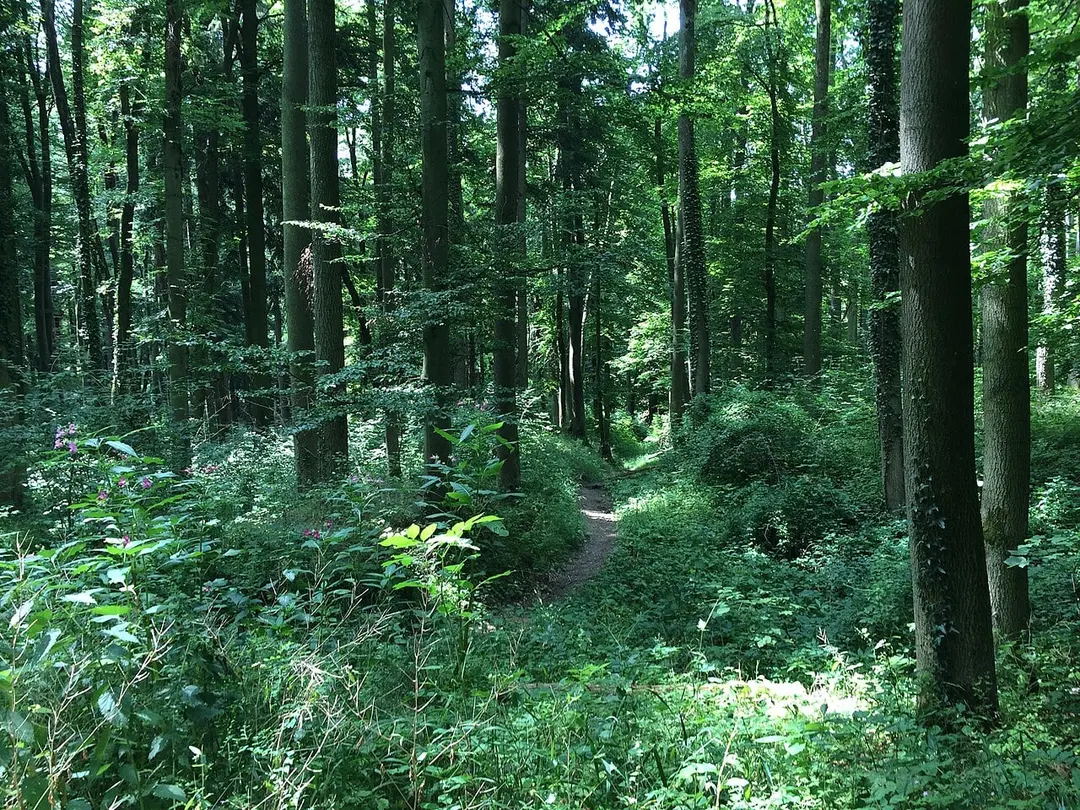
The Burgstall Gegenpoint is the remnant of a High Medieval spur castle about two kilometres east of Fürstenfeld Abbey near Fürstenfeldbruck in Bavaria. The castle occupied a ridge spur of the Nikolausberg at 550 metres. It was abandoned in the 15th century and subsequently quarried for its stone, leaving no standing masonry. Only the earthworks remain — ditches and terrain features that still trace the footprint of what was once a noble seat. The site is listed as a cultural monument and of quiet interest to enthusiasts of castle archaeology.
Munich
Catacomb saints are the lavishly decorated skeletal remains of early Christians exhumed from the catacombs of Rome and distributed to churches across Europe from the 16th century onward. Sent as substitutes for lost relics following the Reformation, the bodies were adorned with gold, gemstones, and embroidery, often dressed in full regalia. Their actual identities remain unknown, and scholars regard most as anonymous early Christians rather than martyrs. The most striking examples can be found in Bavarian, Austrian, and Swiss churches. They represent a striking fusion of Baroque piety and the macabre.
Munich
Munich
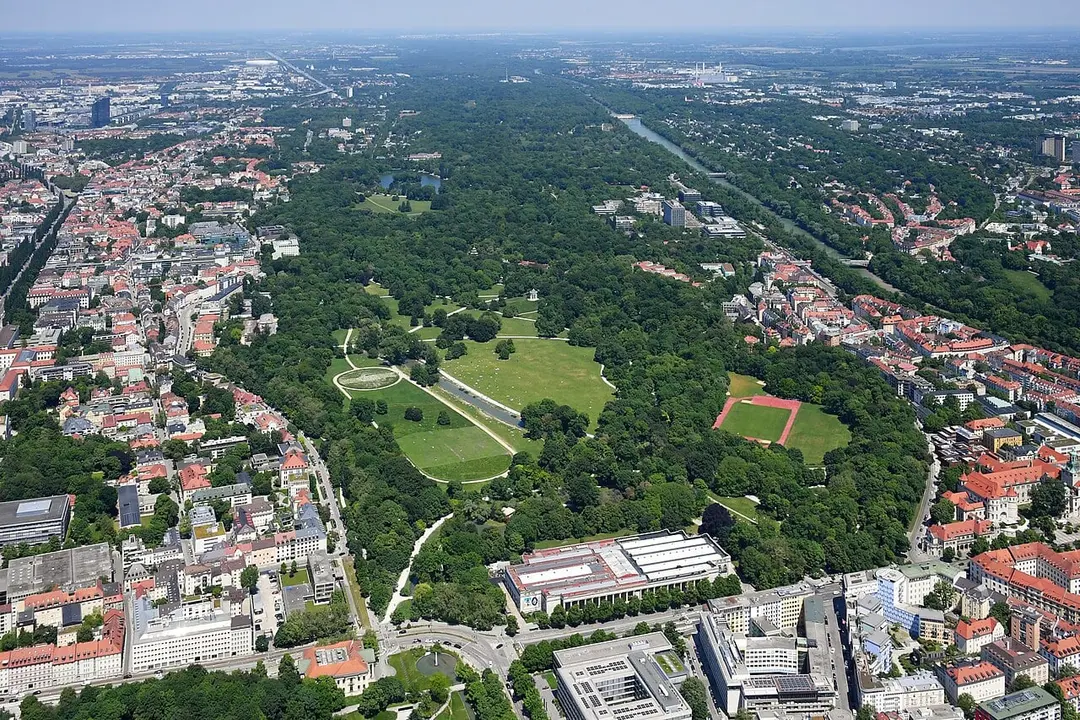
925 acres — one of Europe's largest inner-city parks. The Eisbach standing wave at the south end, Chinese Tower with beer garden, open meadows out to Hirschau beach.
Munich
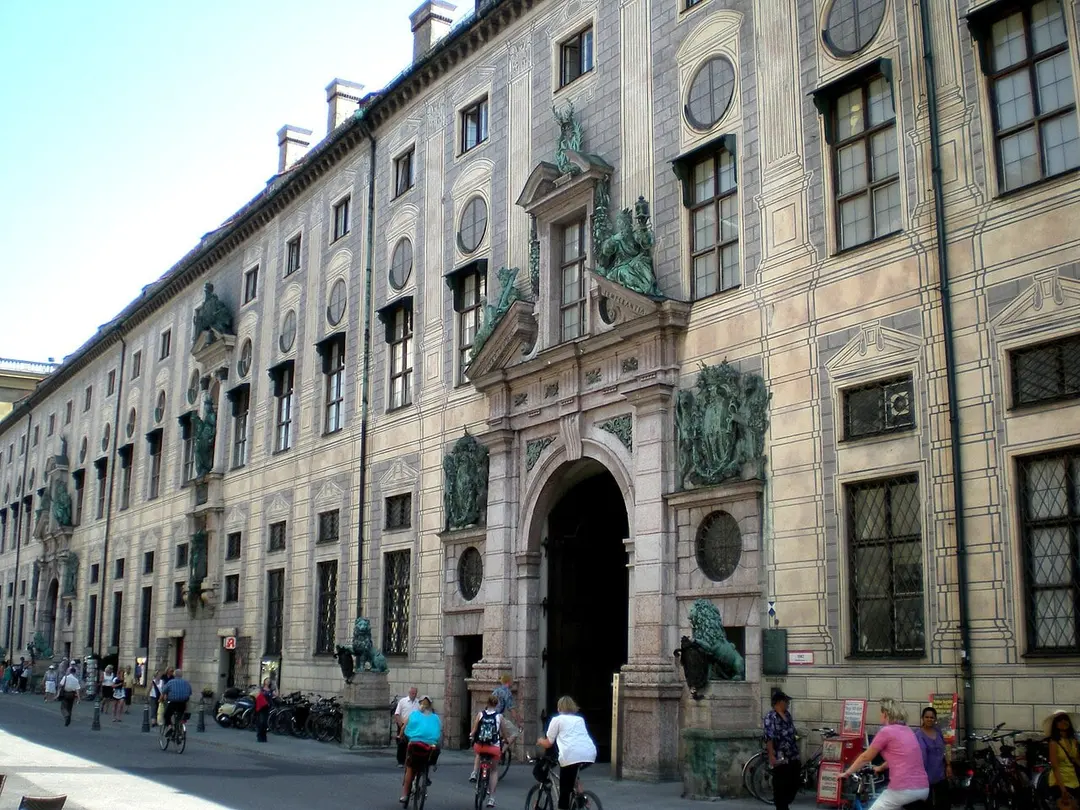
Former city palace of the Bavarian dukes and kings — 130 rooms from the Antiquarium to the Cuvilliés-Theater.
Munich
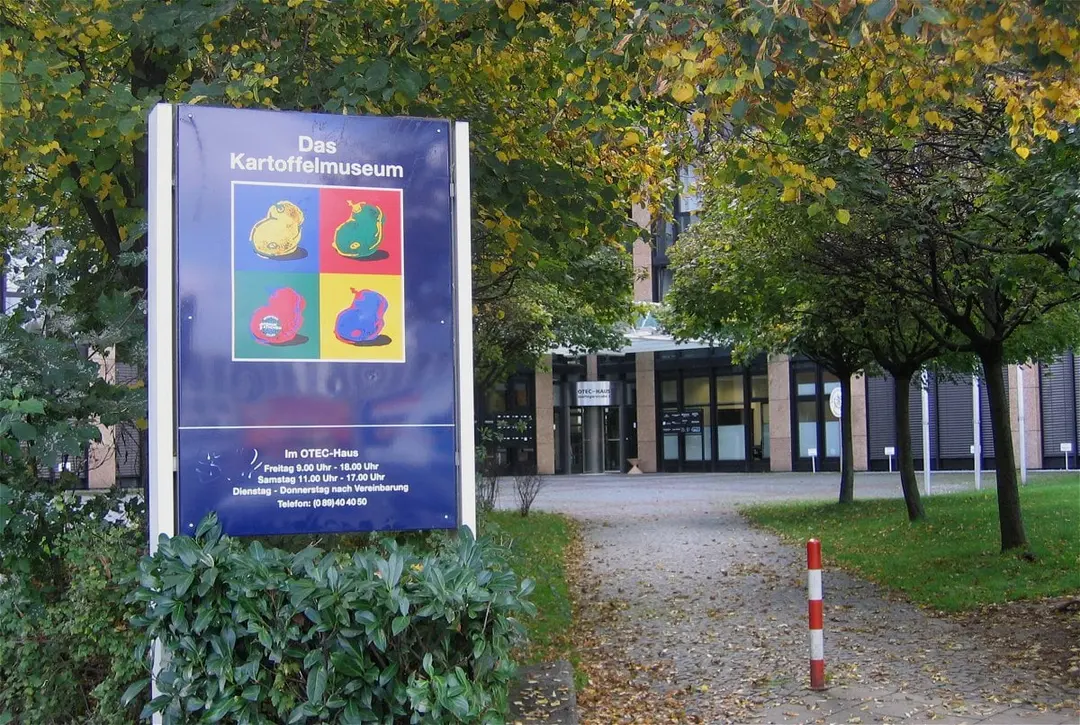
Das Kartoffelmuseum in Munich was one of three museums in Germany dedicated to the potato, focusing specifically on its art-historical dimensions, from paintings and sculptures to everyday artefacts. Founded in 1996 by the Otto Eckart Foundation, established by the former owner of the Pfanni food brand, the museum closed in 2016. Its collection documented how the potato, introduced to Europe from South America, became a recurring subject for artists and craftspeople over the centuries.
Munich
Munich's signature landmark: late-Gothic brick cathedral with two copper-domed Welsche Hauben (99 m and 100 m).
Keep exploring
Rate places with a swipe — TravelType learns from your tags what you love and curates your own map. Private until you choose to share.