Asamkirche
Munich
architectureculturehistory+3
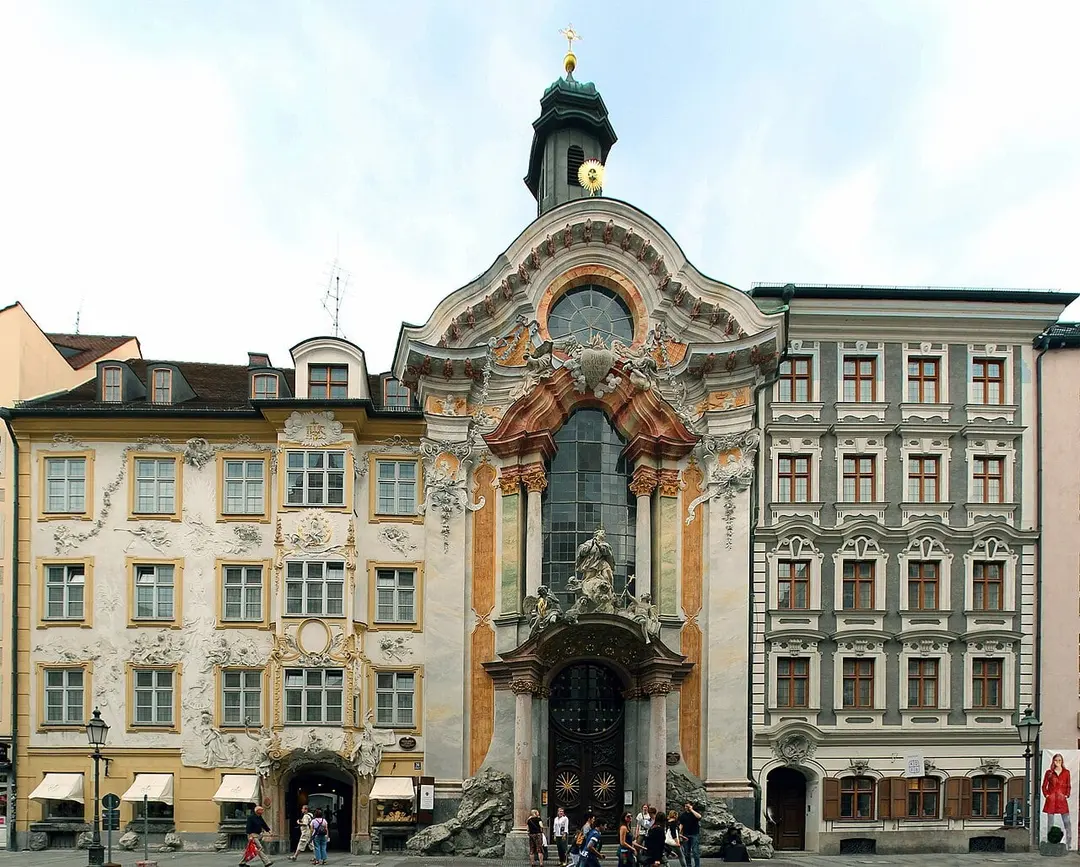
Built by the Asam brothers 1733–46 as a private church — one of the purest examples of Southern German late Baroque, dripping gold and stucco.
local gems
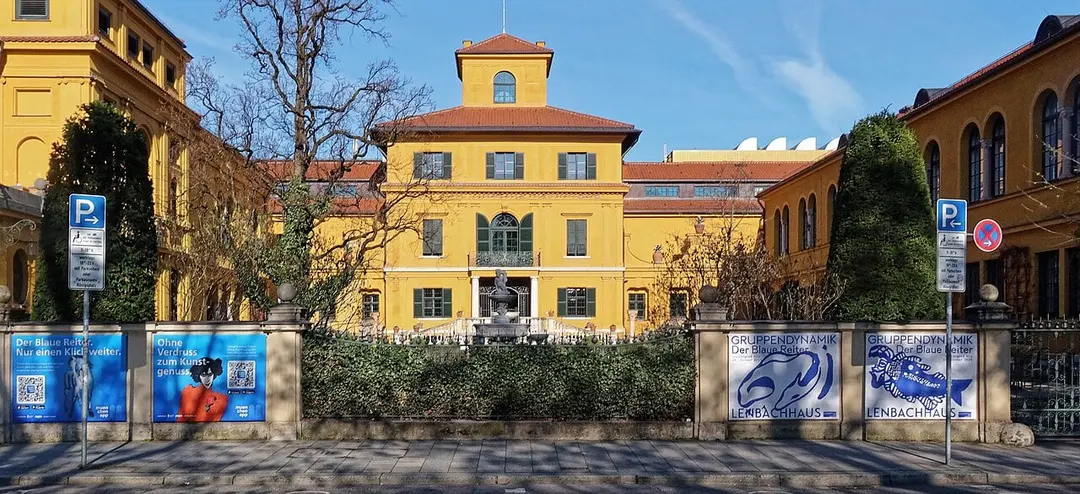
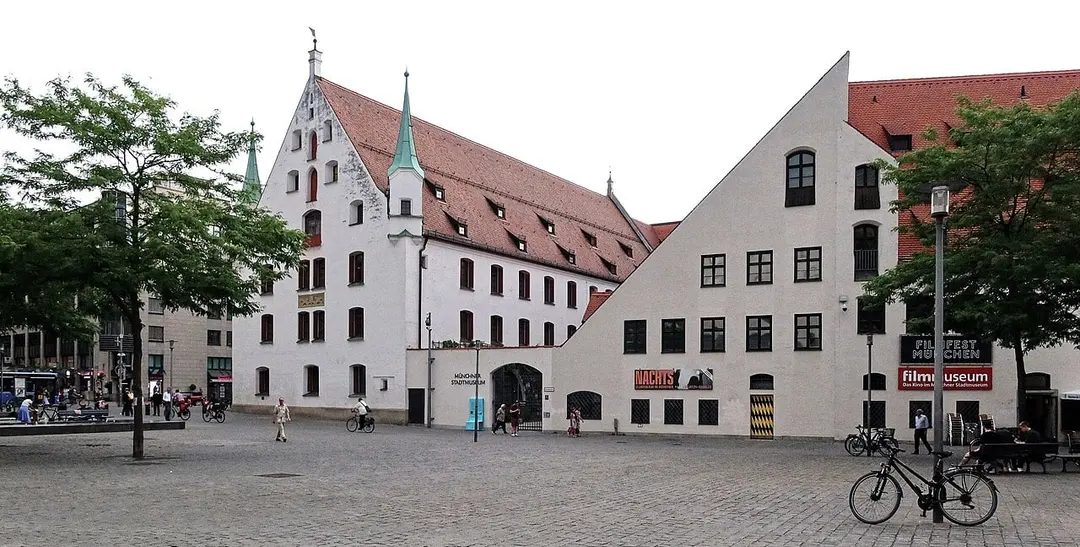
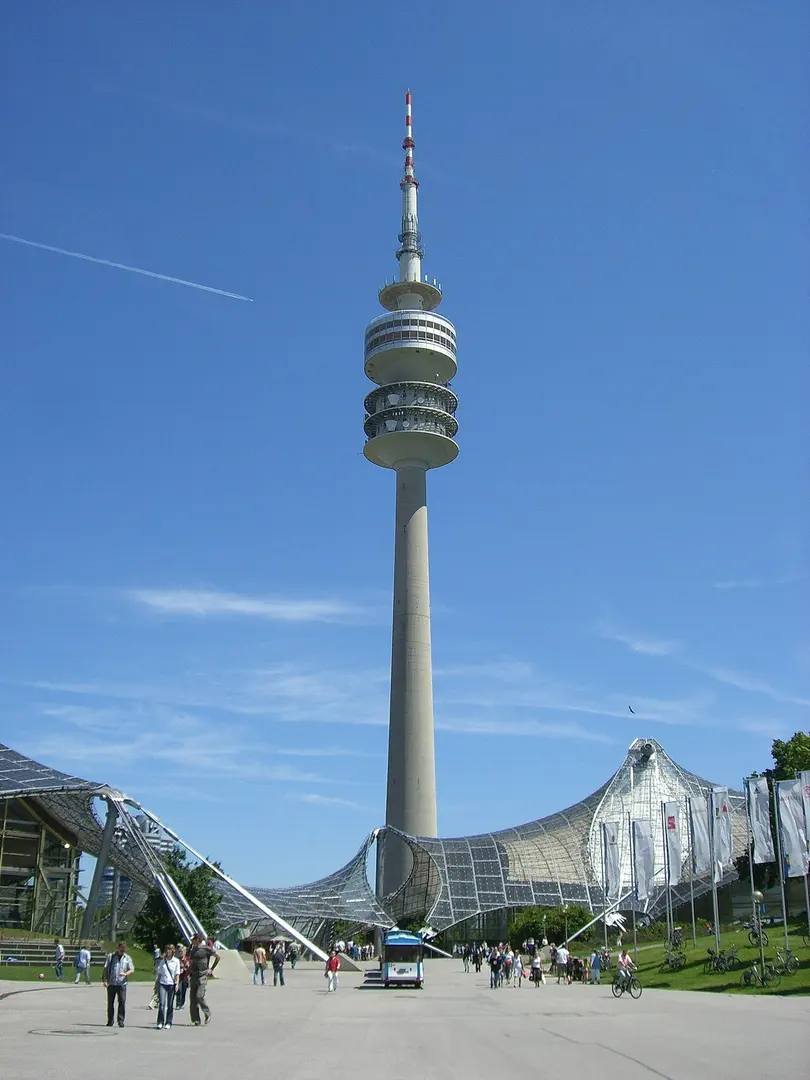
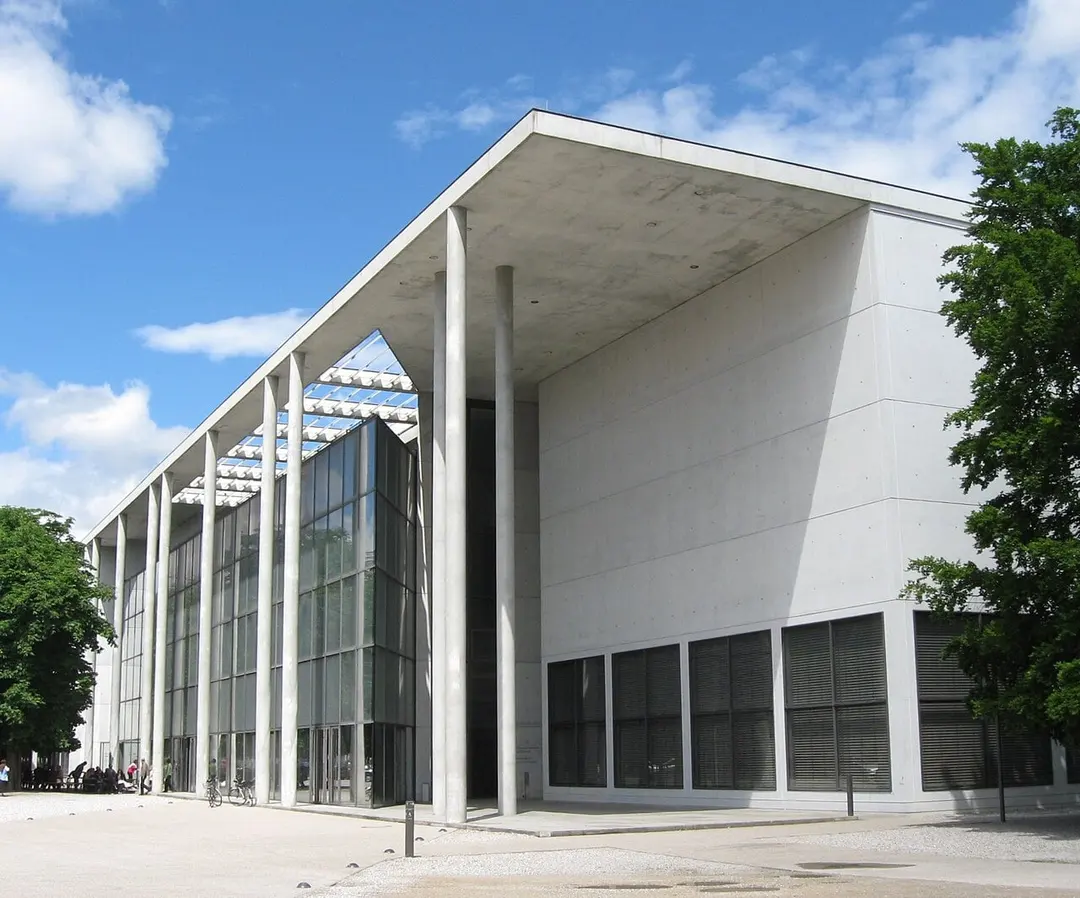
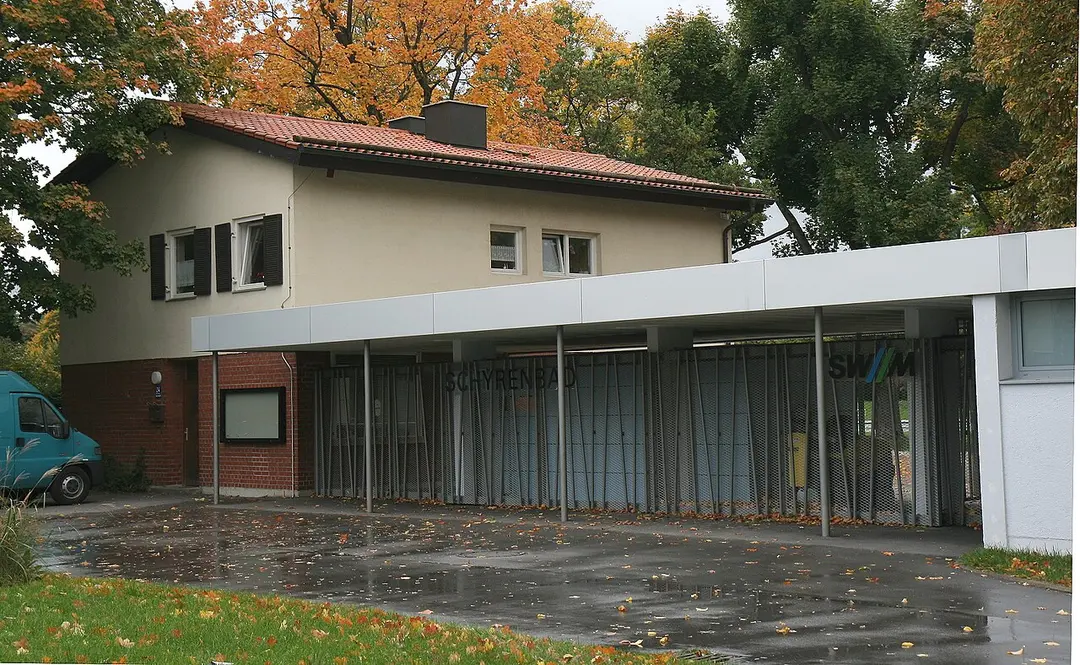
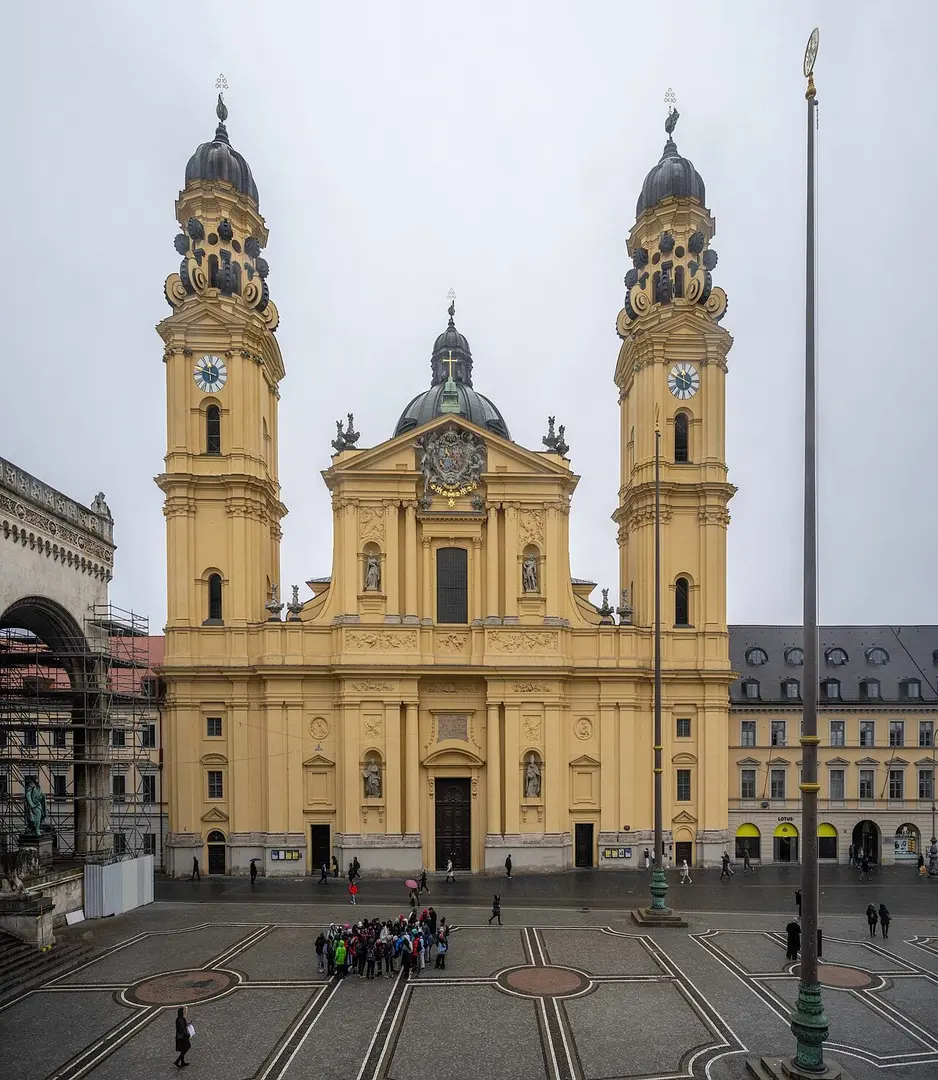
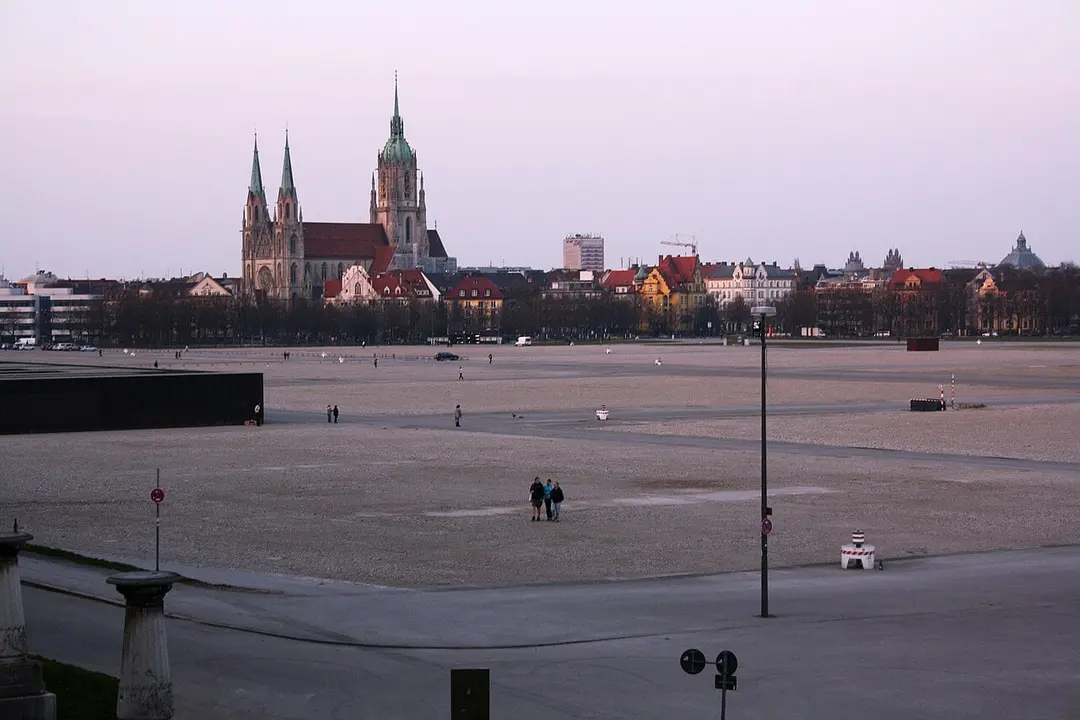
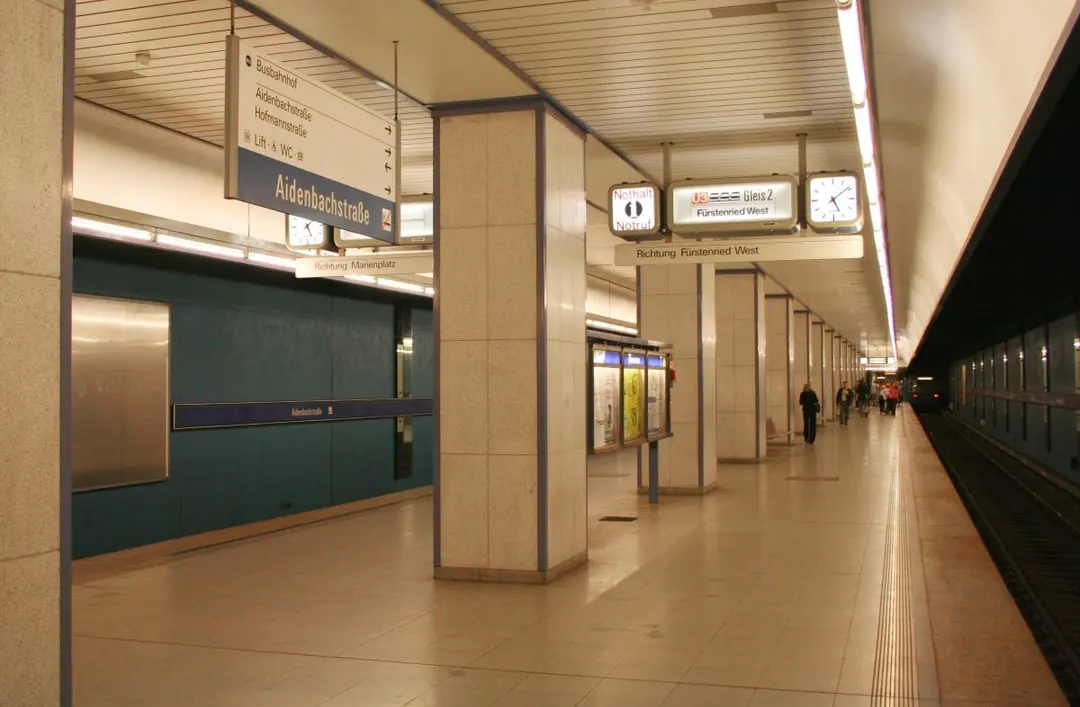
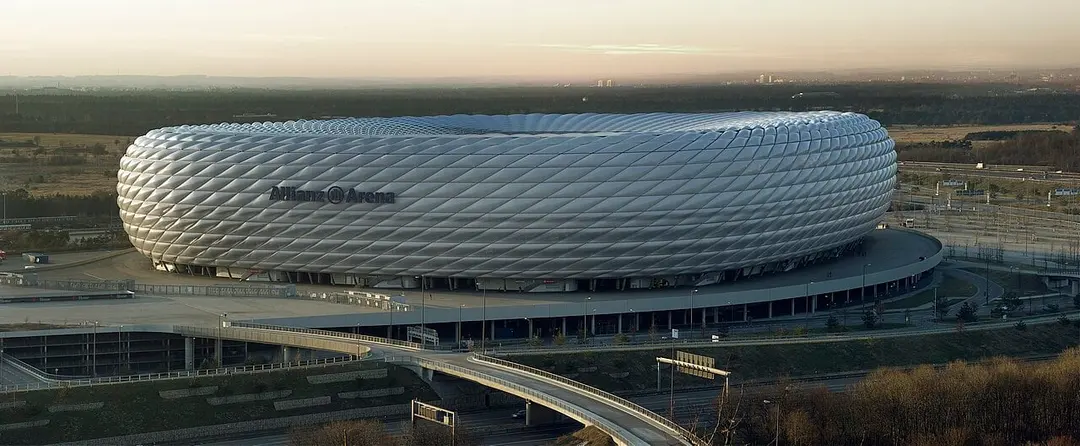
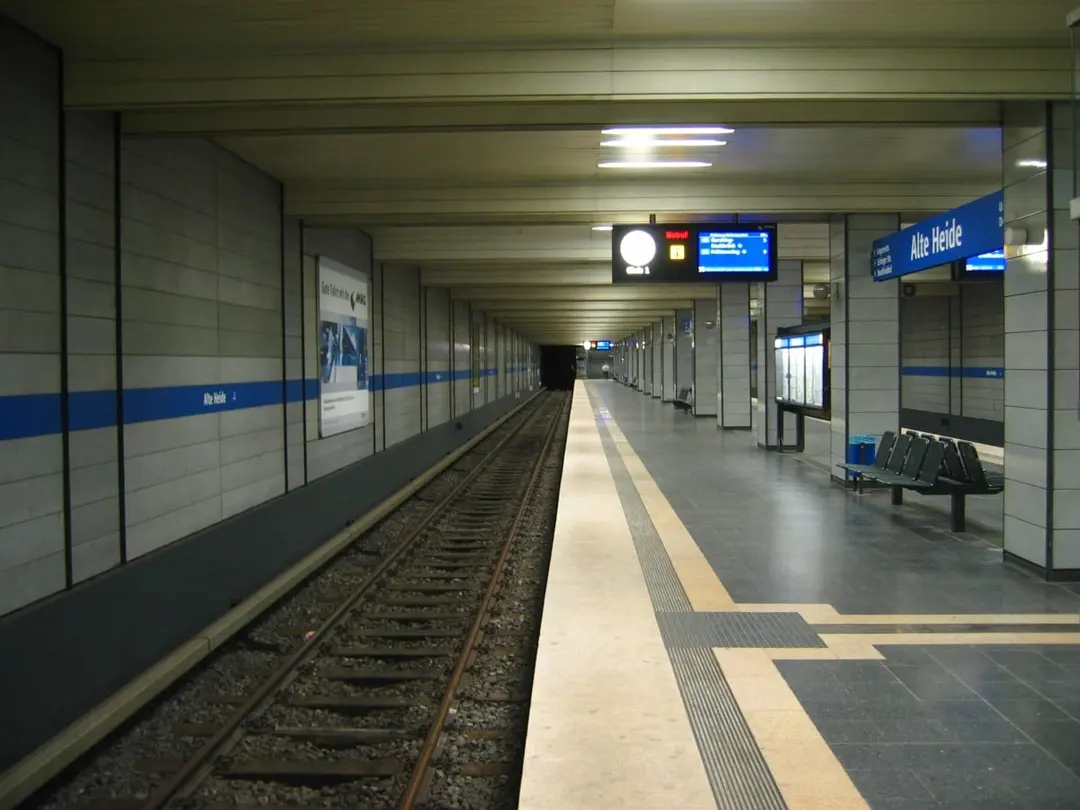
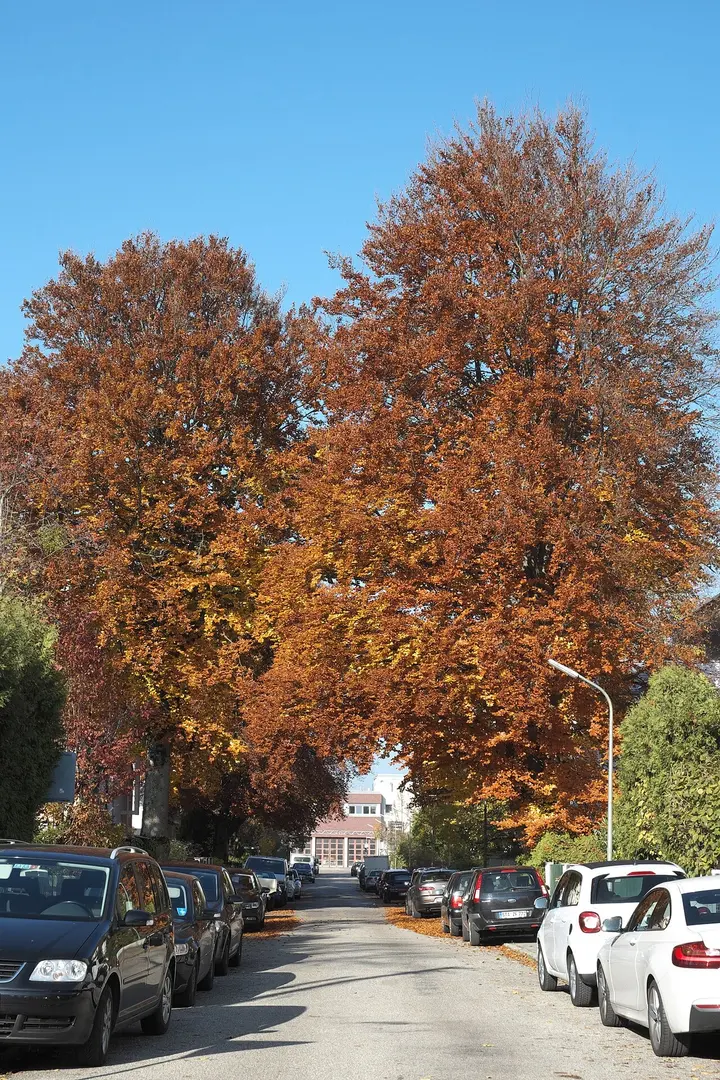
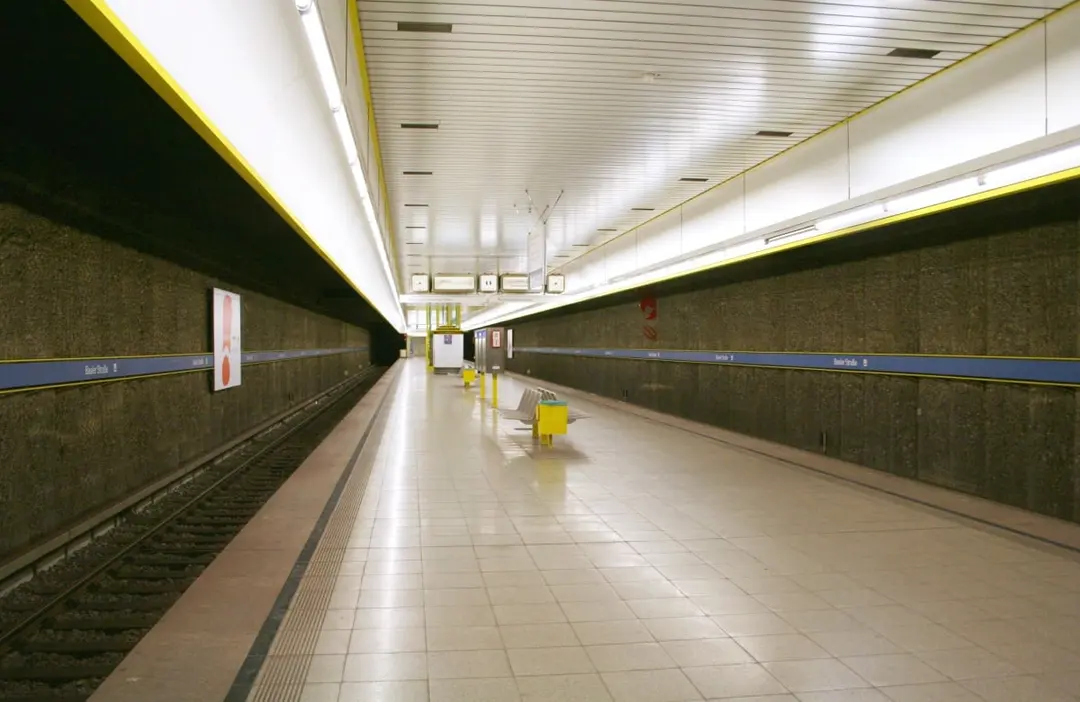
Munich rewards those willing to look a little closer. The Asamkirche is a baroque gem tucked quietly into Sendlinger Straße, and the Haidhausen French Quarter offers a neighbourhood atmosphere quite distinct from the city centre. The Lenbachhaus and Pinakothek der Moderne hold compelling collections without the overwhelming crowds of larger institutions, while the Munich City Museum tells the city's story on a human scale. The Schyrenbad provides a relaxed spot for swimming along the Isar, and the Theresienwiese feels almost intimate outside festival season. The Olympiaturm, Theatinerkirche, the memorial at 8. November 1939, Aidenbachstraße, and the Allianz Arena each add their own distinct layer to the city.
82 places · Munich, Germany · Editorially curated
Munich
Built by the Asam brothers 1733–46 as a private church — one of the purest examples of Southern German late Baroque, dripping gold and stucco.
Munich
Neighborhood named after French cities (Pariser, Bordeauxplatz), brick tenements and a big weekly market — creative Munich.
Munich
Franz von Lenbach's former villa houses the world's largest Blaue Reiter collection — Kandinsky, Marc, Münter.
Munich
Collection of Munich city history from the Middle Ages to today — fashion, photo, the film museum and the Moriskentänzer cabinet.
Munich
1968 transmission tower with viewing platform and revolving restaurant — clear Alpine views on Föhn days.
Munich
Stephan Braun's 2002 glass rotunda with four collections under one roof: art, design, architecture, works on paper.
Munich
Munich's oldest outdoor pool complex, neoclassical 1930s architecture, large lawn, diving tower — a local favorite.
Munich
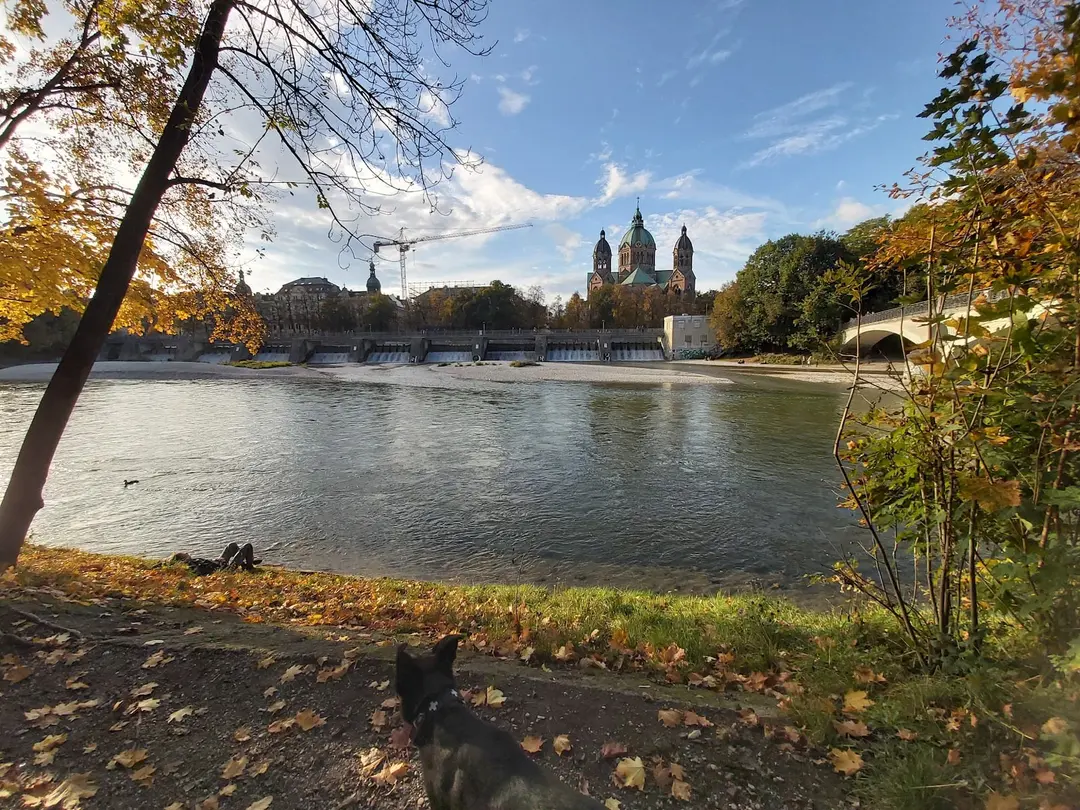
1690 court church with a 71 m dome and twin-tower façade after Roman models — its yellow defines the skyline.
Munich
16 days of Oktoberfest a year, otherwise a park with the Bavaria statue, the Frühlingsfest and Tollwood — Munich's biggest festival ground.
Munich
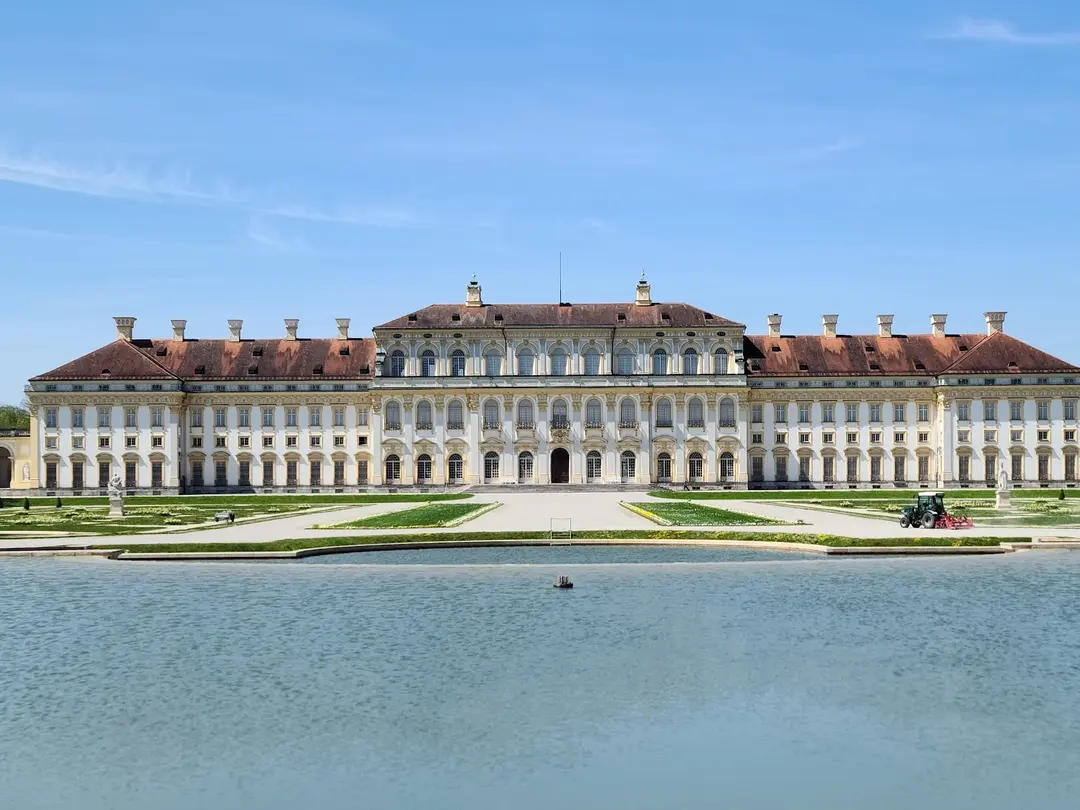
Baroque three-palace complex with French garden, Great Hall and old gallery — Munich's mini-Versailles.
Munich
Munich
Munich
Bayern Munich's home ground, 75,000 seats wrapped in ETFE cushions that glow red, white or blue at night.
Munich
Munich
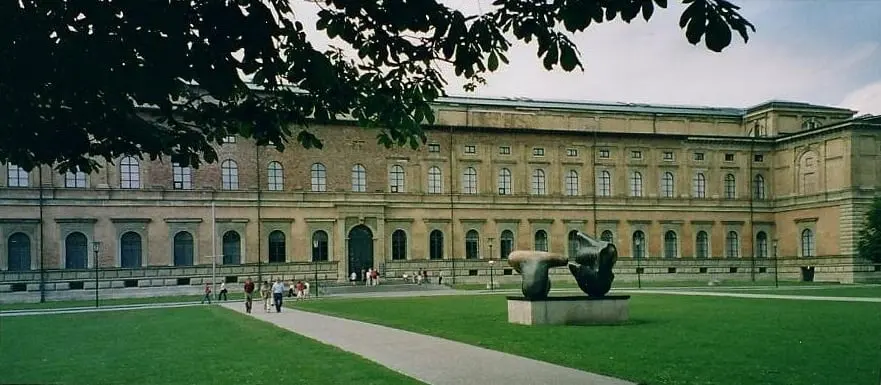
One of the world's largest old-master collections: Dürer, Rubens, Rembrandt, Leonardo, Titian under one roof. Built in 1836 as the first public museum at this scale.
Munich
Munich
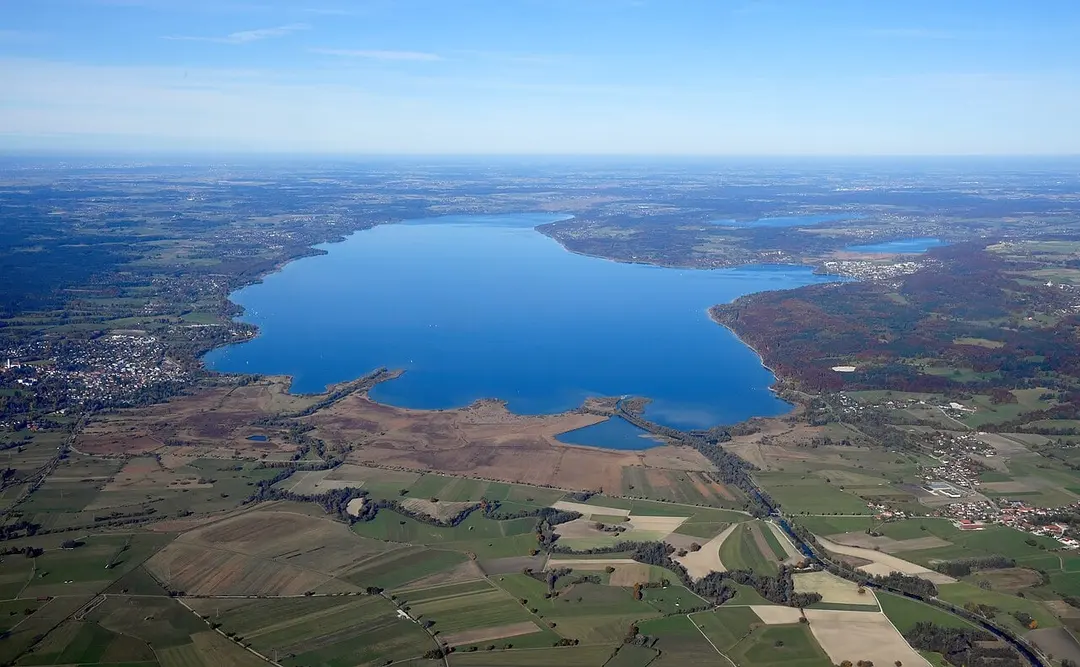
Ammersee is Bavaria's third-largest pre-Alpine lake, covering around 47 square kilometres and lying just an hour south-west of Munich. Owned by the Free State of Bavaria and administered by the Palace Administration, the lake enjoys strong environmental protection. Picturesque villages like Herrsching, Diessen, and Utting line its shores, offering beer gardens, jetties, and swimming spots. Whether you come to sail, surf, cycle the shoreline, or simply take a dip in clean water, Ammersee is a classic Munich day-trip destination that draws families, couples, and outdoor enthusiasts throughout the summer months.
Munich
Munich
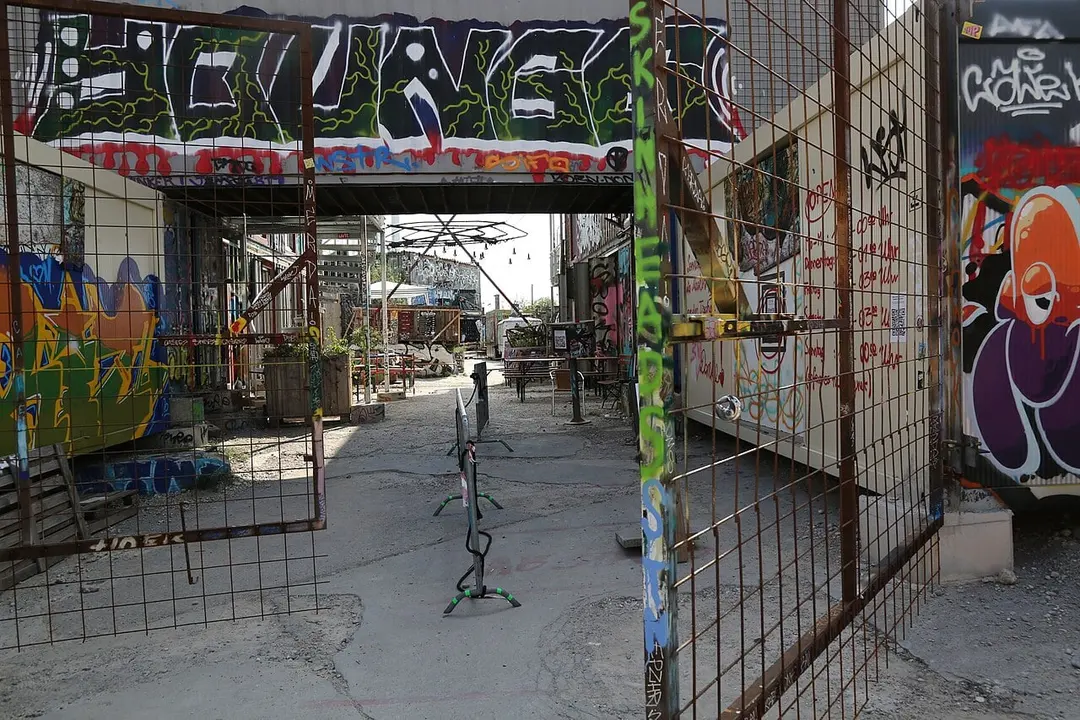
Bahnwärter Thiel is far more than a nightclub — it is an alternative universe tucked into Munich's Isarvorstadt district. Since 2015, two decommissioned trams on a former railway depot have become the heart of a sprawling open-air venue that combines a techno club, bars, food trucks, and an outdoor cinema. The iconic red tram from the 1950s doubles as a stage while crowds dance outside under the open sky. The crowd is a vivid mix of students, creatives, and electronic music lovers, united by a shared appreciation for urban reinvention. Bahnwärter Thiel has grown into one of Munich's most distinctive cultural spots, proving that the city's nightlife extends well beyond its famous beer halls.
Munich
Munich
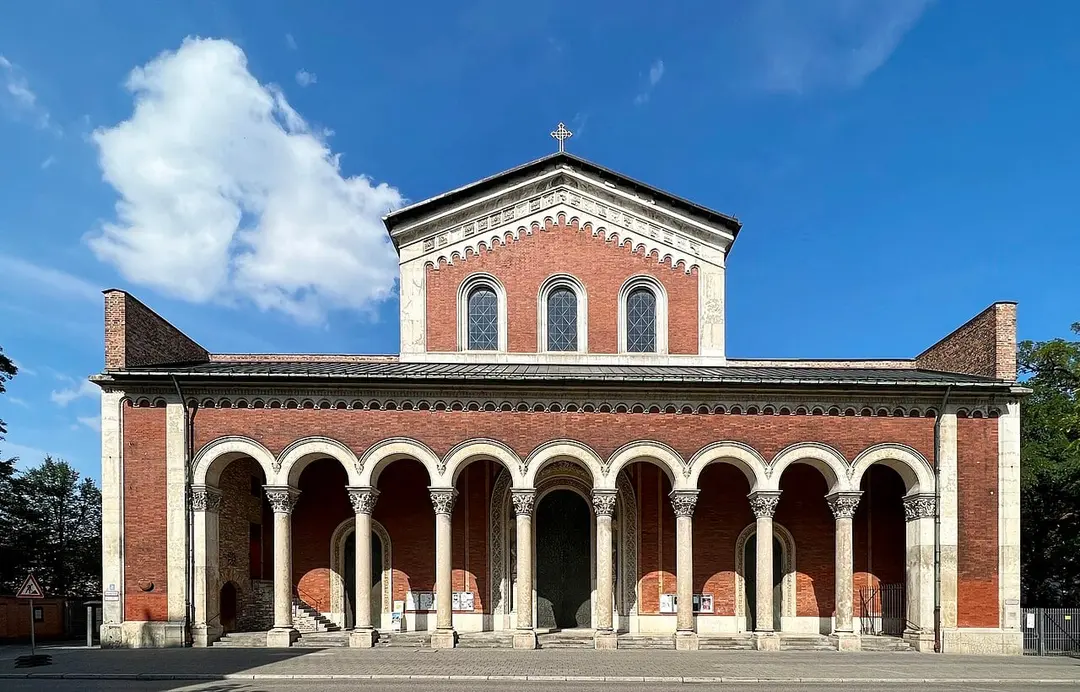
The Basilica of St. Boniface stands in the heart of Munich's arts quarter and doubles as the church of a living Benedictine abbey. King Ludwig I commissioned architect Georg Friedrich Ziebland to design the building, which rose between 1835 and 1850 in neo-Byzantine style — a deliberate echo of early Christian basilicas in Rome. The church is dedicated to St. Boniface, the "Apostle of the Germans", the 8th-century missionary who spread Christianity across Germanic lands. Ludwig I himself is buried in the right aisle, making it both a royal mausoleum and a working monastery church. Today the abbey remains an active community of the Bavarian Benedictine Congregation; masses are open to the public, and the cloister offers a rare pocket of calm amid the busy museum district.
Munich
Munich
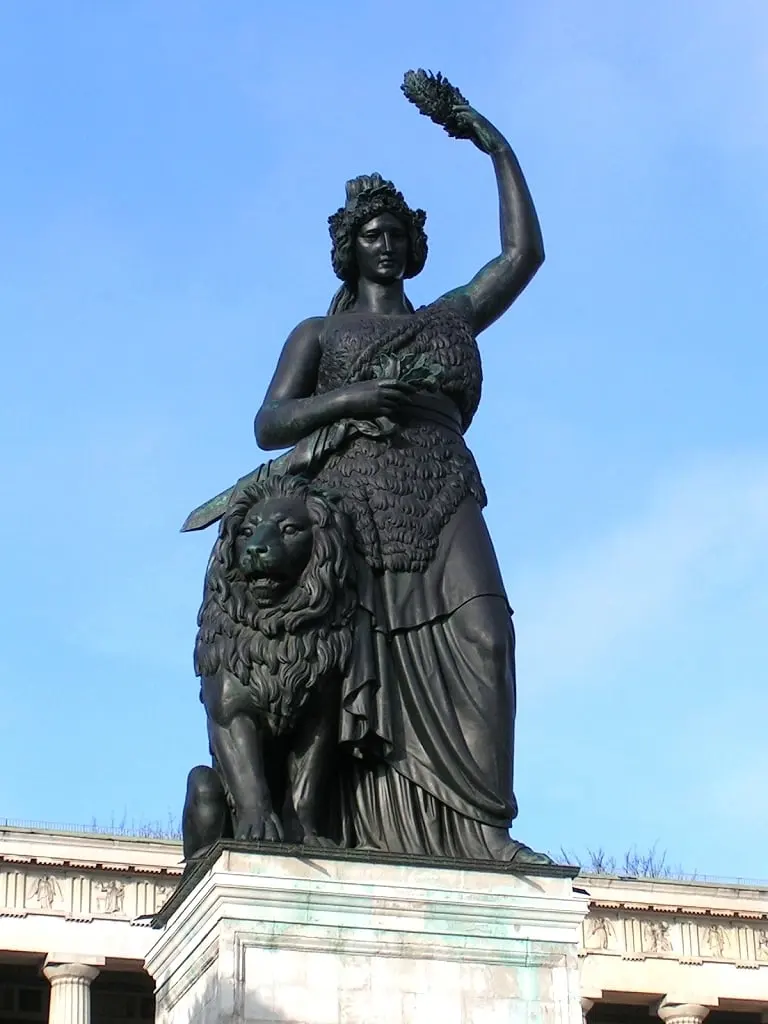
The Bavaria is the towering bronze figure on Munich's Theresienwiese and the feminine symbol of the Free State of Bavaria. Standing 18.5 metres tall and weighing around 87 tonnes, she ranks among the largest bronze castings of the 19th century anywhere in the world. Ludwig Schwanthaler designed the figure, and it was cast in 1850 by Ferdinand von Miller at the royal bronze foundry — an engineering feat achieved in five sections assembled on site. The Bavaria stands with a lion at her side and an oak wreath in her raised hand. Inside, a spiral staircase leads up to the head, which offers a sweeping panorama across Munich. Behind her stands the Hall of Fame (Ruhmeshalle) with busts of celebrated Bavarians. Today she is one of the city's most recognisable landmarks and the focal point of the Oktoberfest grounds.
Munich
Munich
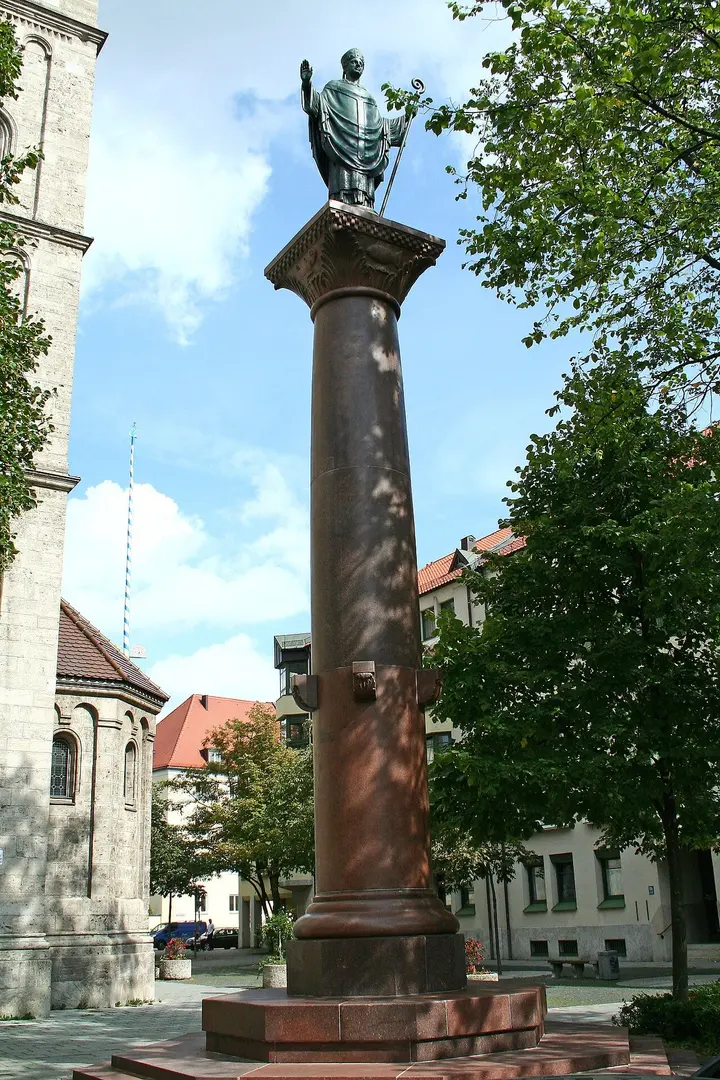
The Benno Column stands on a small square southeast of the parish church of St. Benno in the Maxvorstadt district, honouring St. Benno, patron saint of Munich. The monument was unveiled in 1910 — the overall design by Munich architect German Bestelmeyer, the figurative work by sculptor Georg Albertshofer, cast by Ferdinand von Miller. The slender column with its sacred figure is a typical example of ecclesiastical monument-making during the Wilhelmine era in Bavaria. It marks the entrance area to the St. Benno parish, a lively congregation in the heart of Munich's university quarter. For most passers-by it is a quiet piece of street furniture — look more closely and you find craftsmanship and a slice of Munich's devotional history.
Munich
Munich
Munich
Munich
Munich
Keep exploring
Rate places with a swipe — TravelType learns from your tags what you love and curates your own map. Private until you choose to share.