Asamkirche
Munich
architecturehistorylocal gems+3
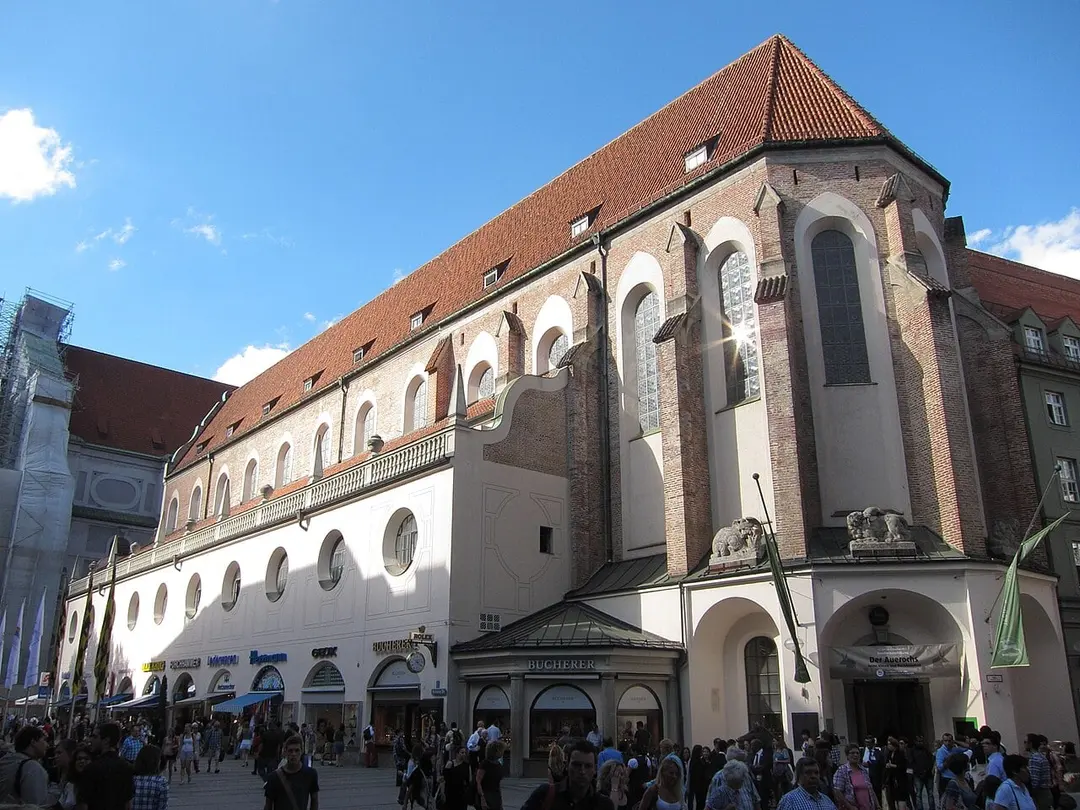
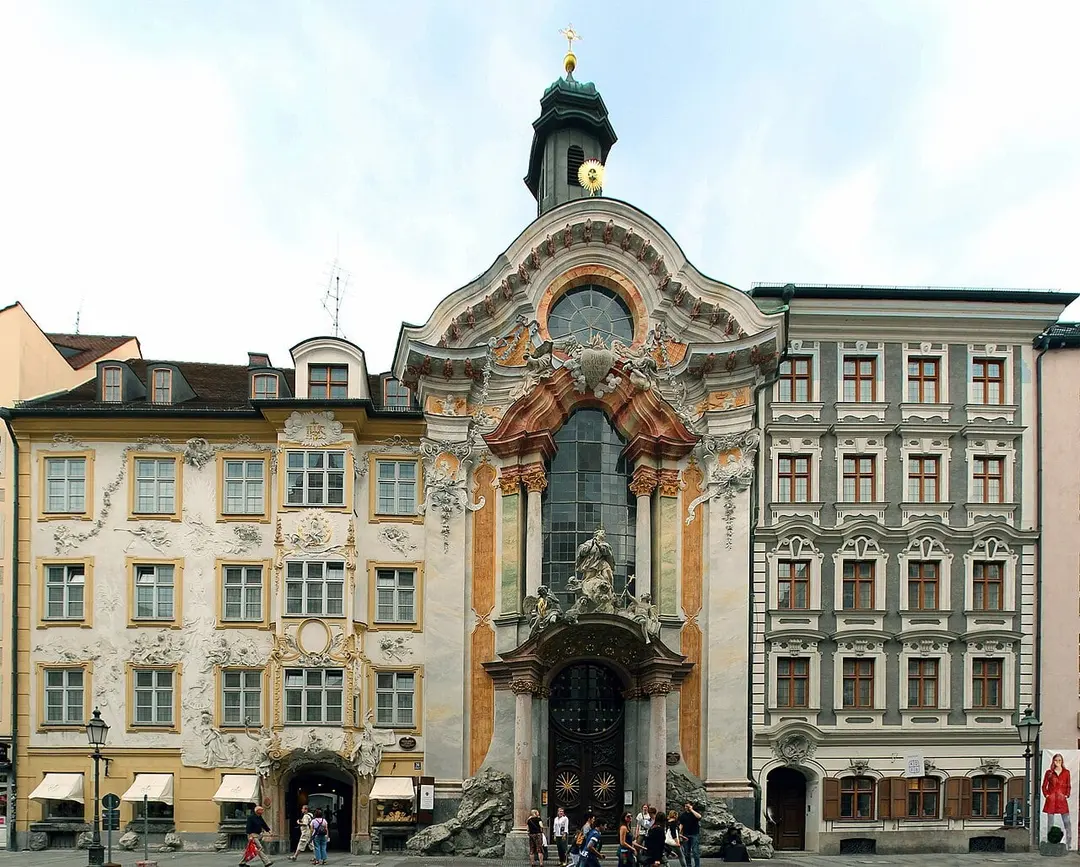
Built by the Asam brothers 1733–46 as a private church — one of the purest examples of Southern German late Baroque, dripping gold and stucco.
culture
Munich brings together baroque church art and contemporary museum culture within a compact city. The Asamkirche and Theatinerkirche stand as striking examples of the city's rich ecclesiastical architecture, while the Lenbachhaus and Pinakothek der Moderne hold substantial fine-art collections. The Munich City Museum traces the city's layered history, and the memorial marking 8 November 1939 confronts one of Munich's gravest chapters. Places like the Theresienwiese, the Alte Kongresshalle, and the Olympiaturm round out a cultural landscape that runs considerably deeper than the city's most familiar icons.
66 places · Munich, Germany · Editorially curated
Munich
Built by the Asam brothers 1733–46 as a private church — one of the purest examples of Southern German late Baroque, dripping gold and stucco.
Munich
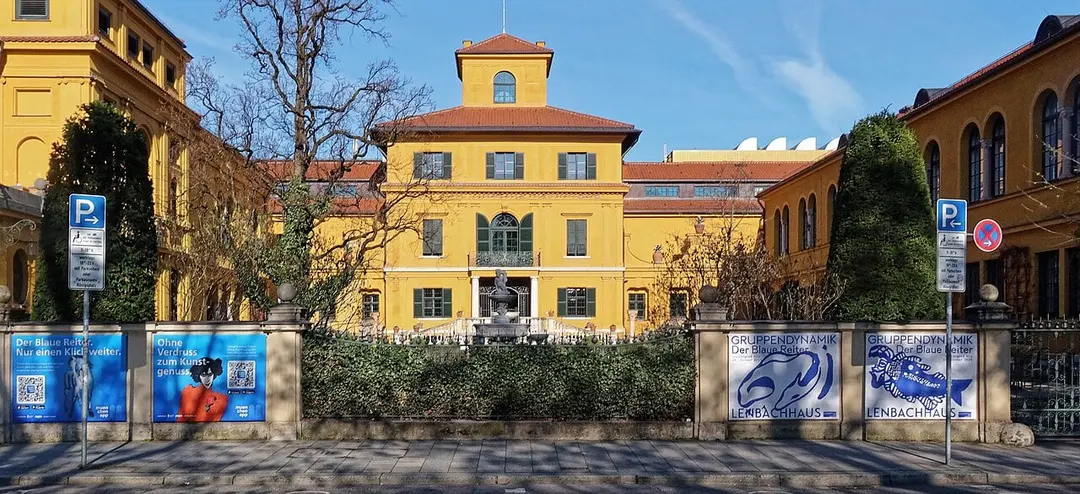
Franz von Lenbach's former villa houses the world's largest Blaue Reiter collection — Kandinsky, Marc, Münter.
Munich
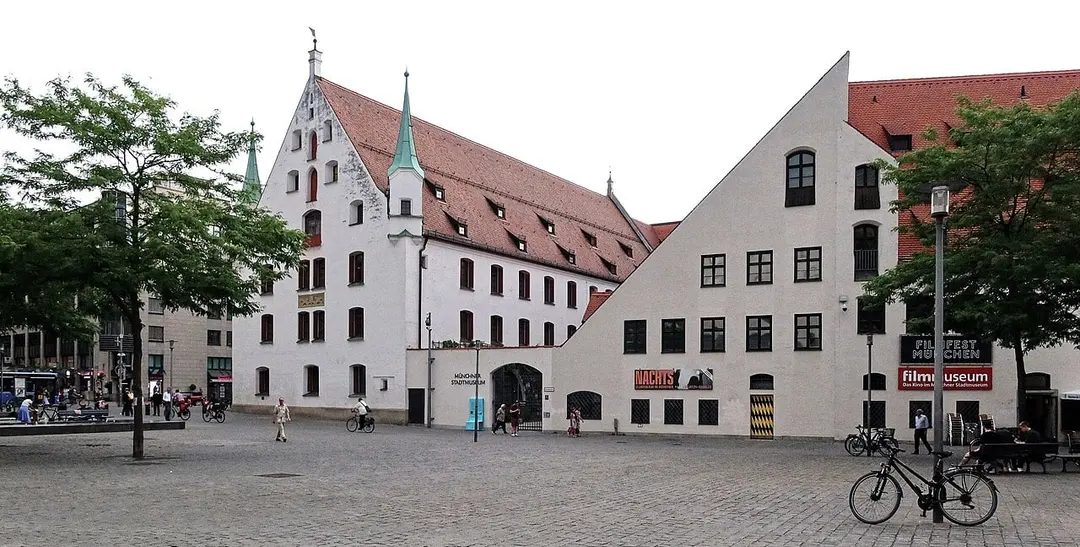
Collection of Munich city history from the Middle Ages to today — fashion, photo, the film museum and the Moriskentänzer cabinet.
Munich
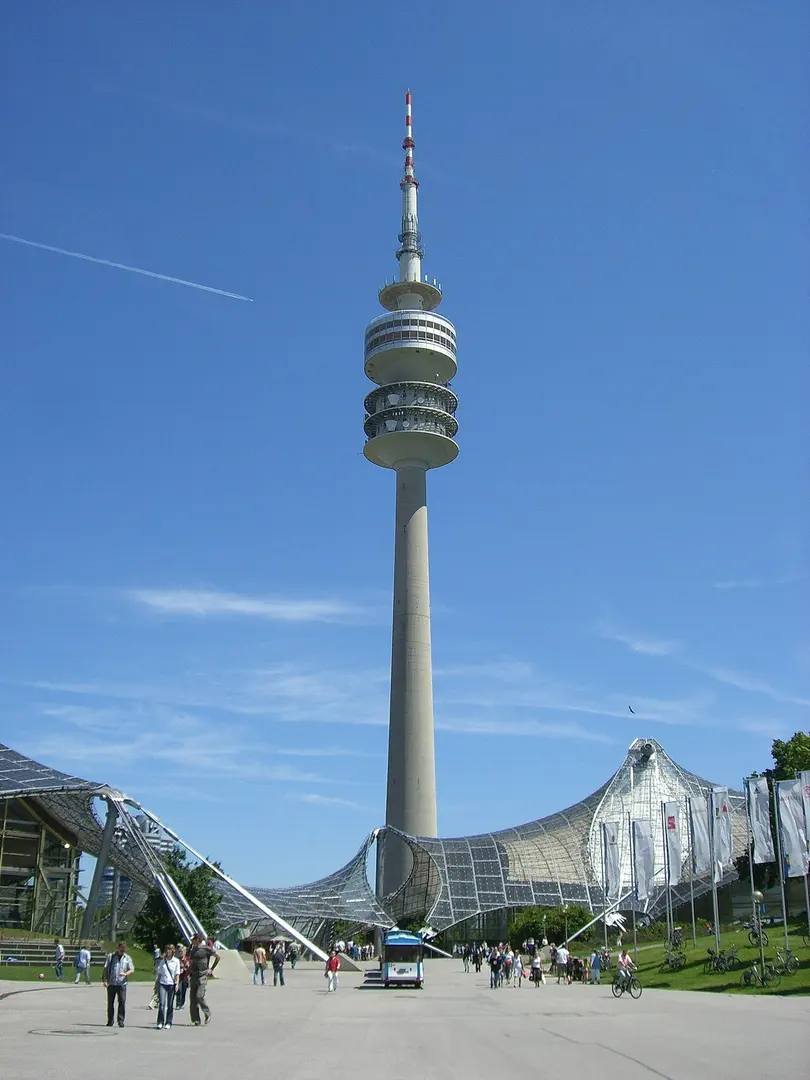
1968 transmission tower with viewing platform and revolving restaurant — clear Alpine views on Föhn days.
Munich
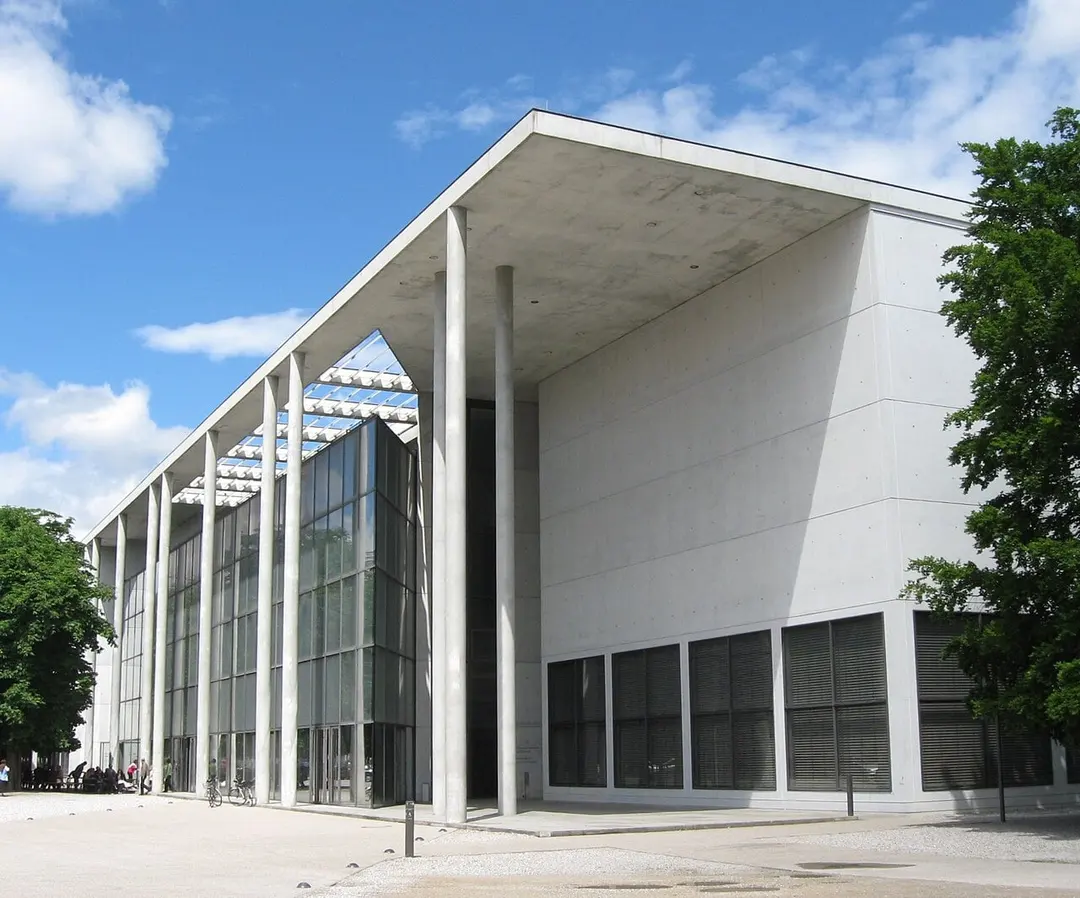
Stephan Braun's 2002 glass rotunda with four collections under one roof: art, design, architecture, works on paper.
Munich
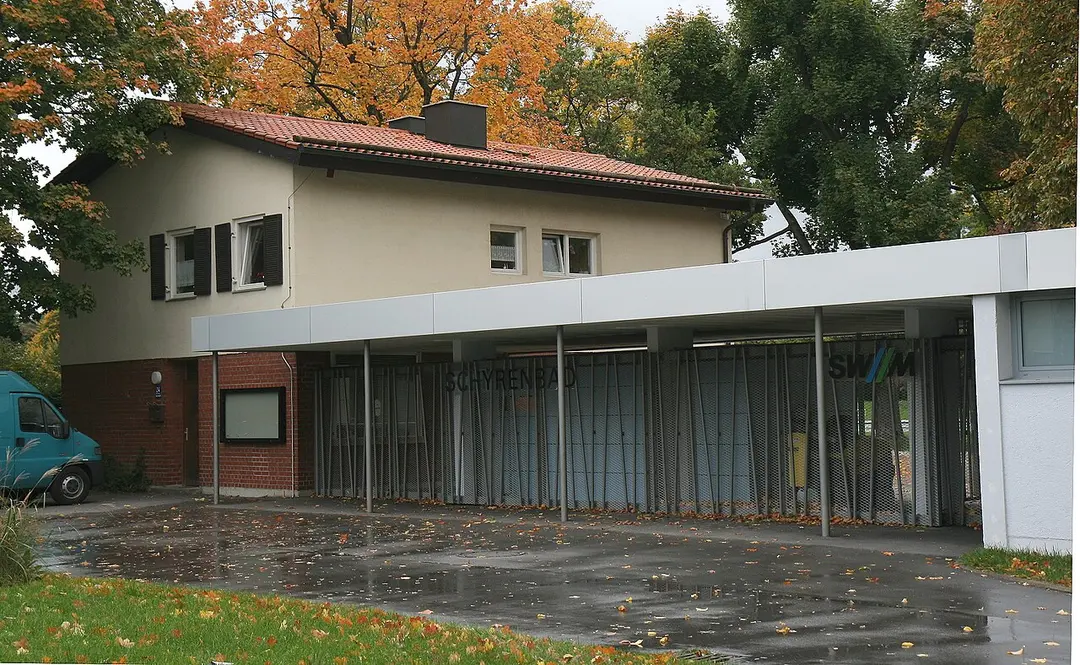
Munich's oldest outdoor pool complex, neoclassical 1930s architecture, large lawn, diving tower — a local favorite.
Munich
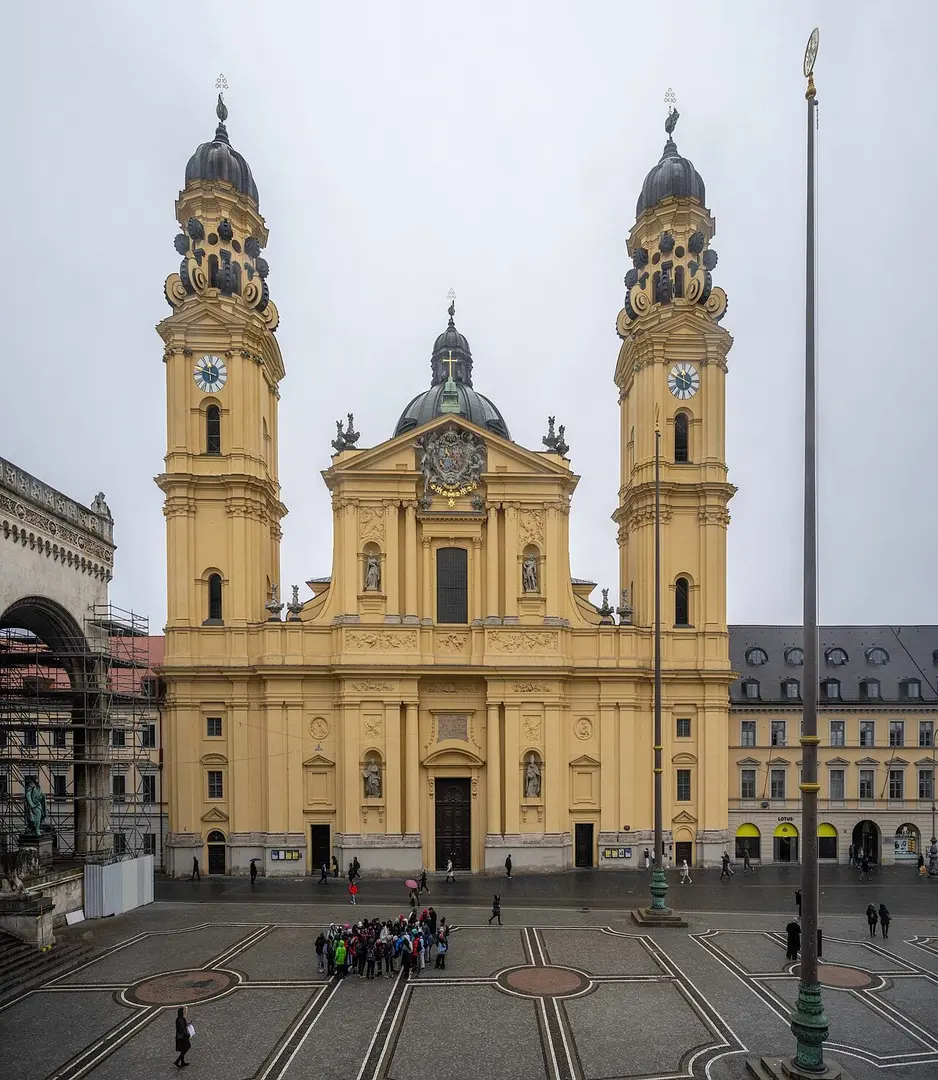
1690 court church with a 71 m dome and twin-tower façade after Roman models — its yellow defines the skyline.
Munich
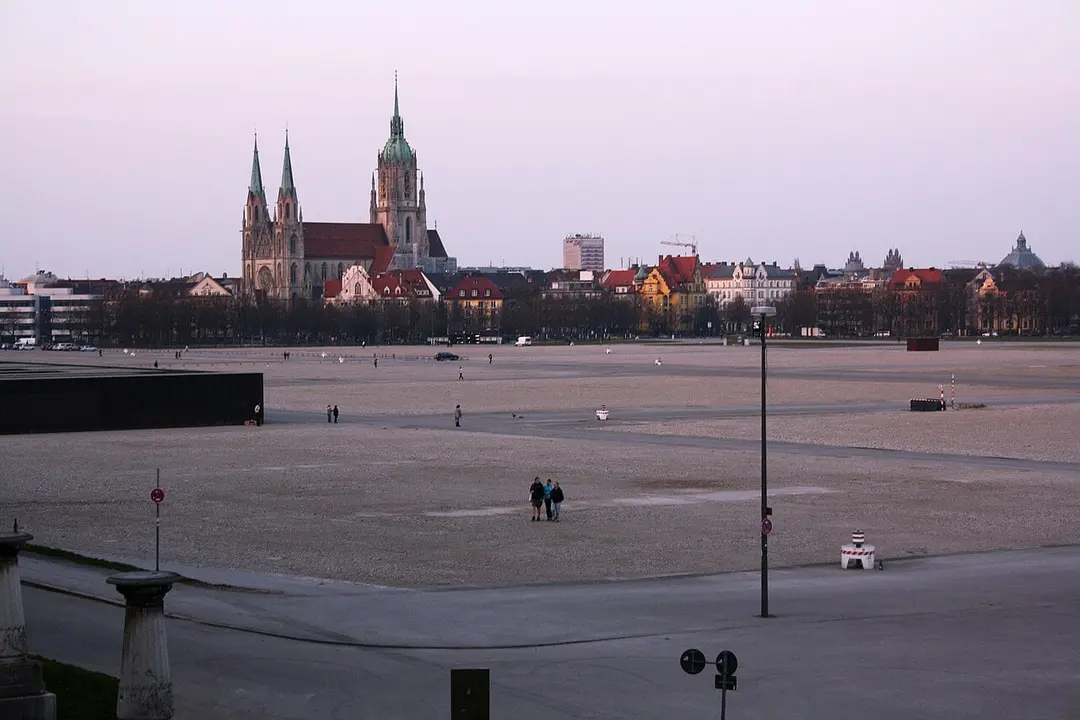
16 days of Oktoberfest a year, otherwise a park with the Bavaria statue, the Frühlingsfest and Tollwood — Munich's biggest festival ground.
Munich
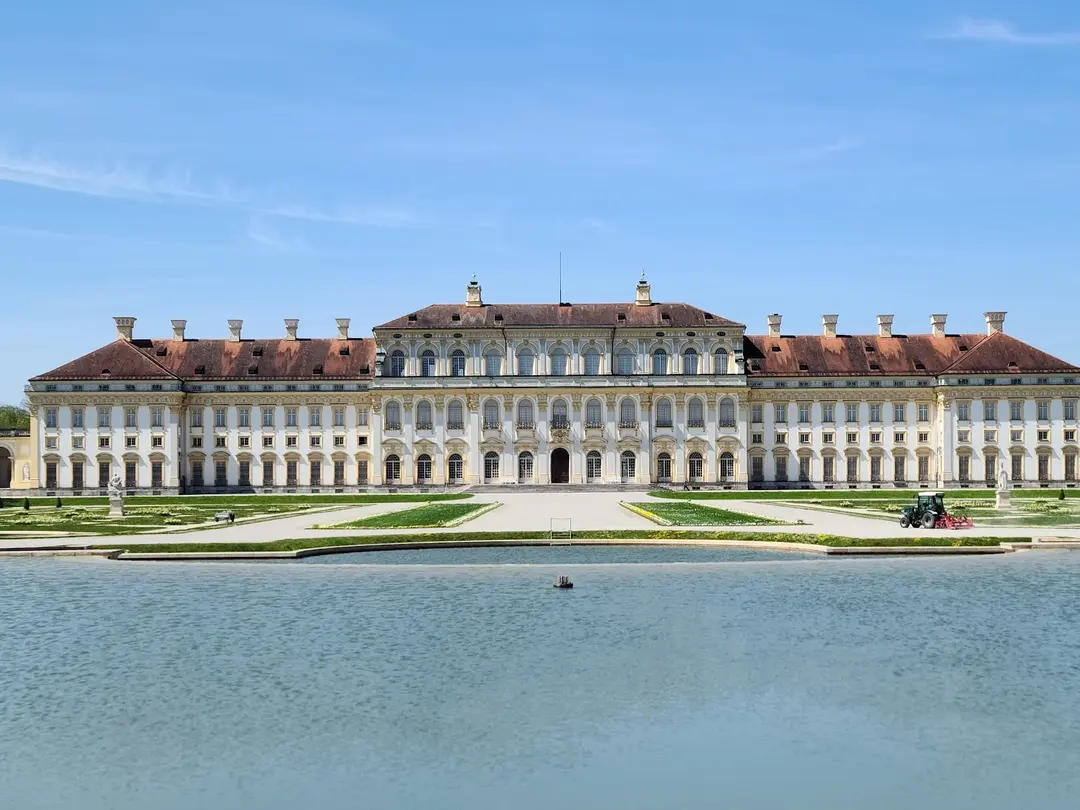
Baroque three-palace complex with French garden, Great Hall and old gallery — Munich's mini-Versailles.
Munich
Munich
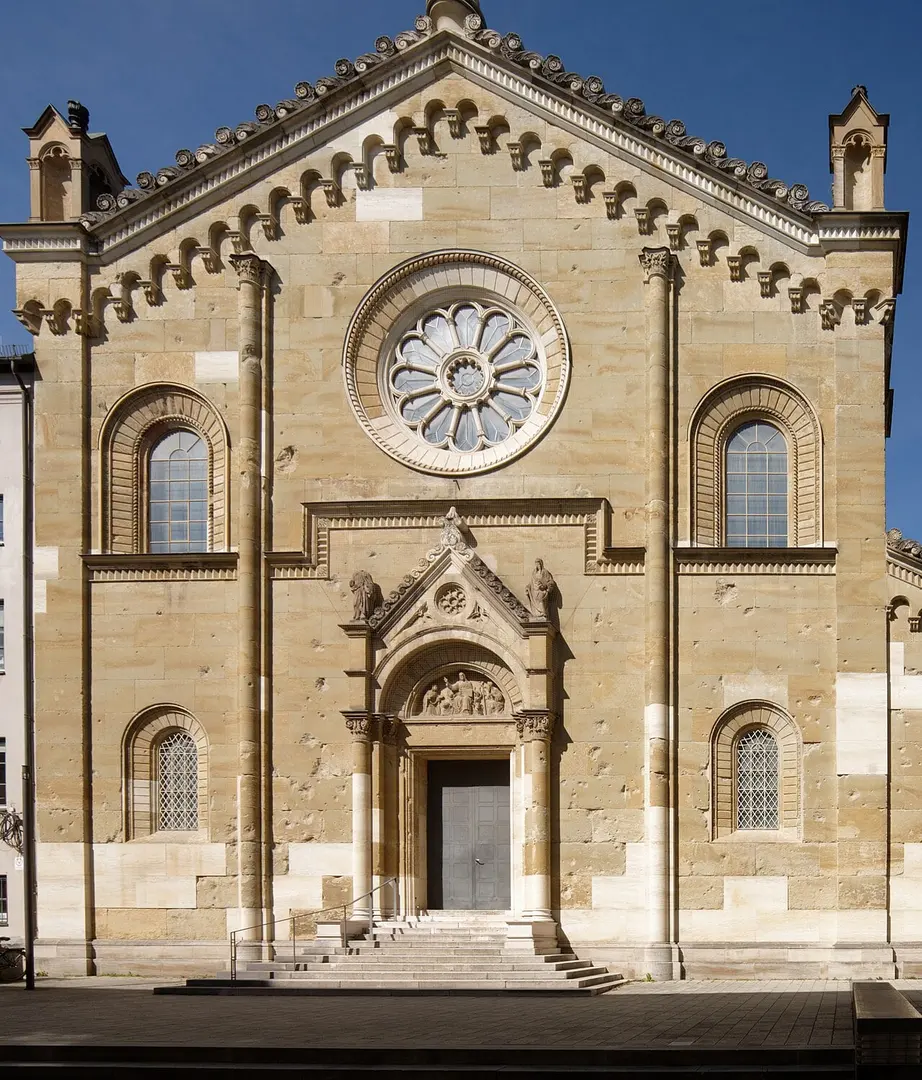
The Allerheiligen-Hofkirche is a neo-Romanesque court church completed in 1837, designed by Leo von Klenze for King Ludwig I inside the Munich Residenz. Klenze drew inspiration from early Christian basilicas and Byzantine models, giving the interior an unusual blend of austerity and splendour. Grand frescoes by Peter von Cornelius once decorated the walls — much was destroyed in World War II. After extensive restoration, the church is now part of the Residenz Museum and opens for concerts and special exhibitions.
Munich
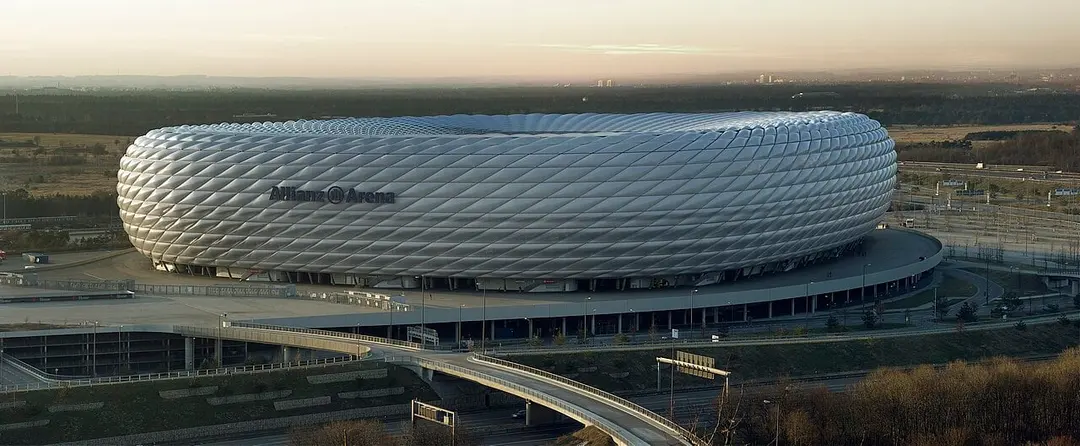
Bayern Munich's home ground, 75,000 seats wrapped in ETFE cushions that glow red, white or blue at night.
Munich
Munich
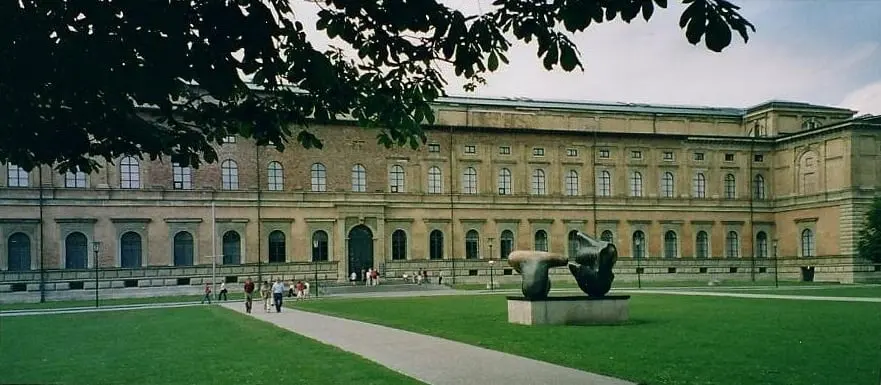
One of the world's largest old-master collections: Dürer, Rubens, Rembrandt, Leonardo, Titian under one roof. Built in 1836 as the first public museum at this scale.
Munich
Munich
Munich
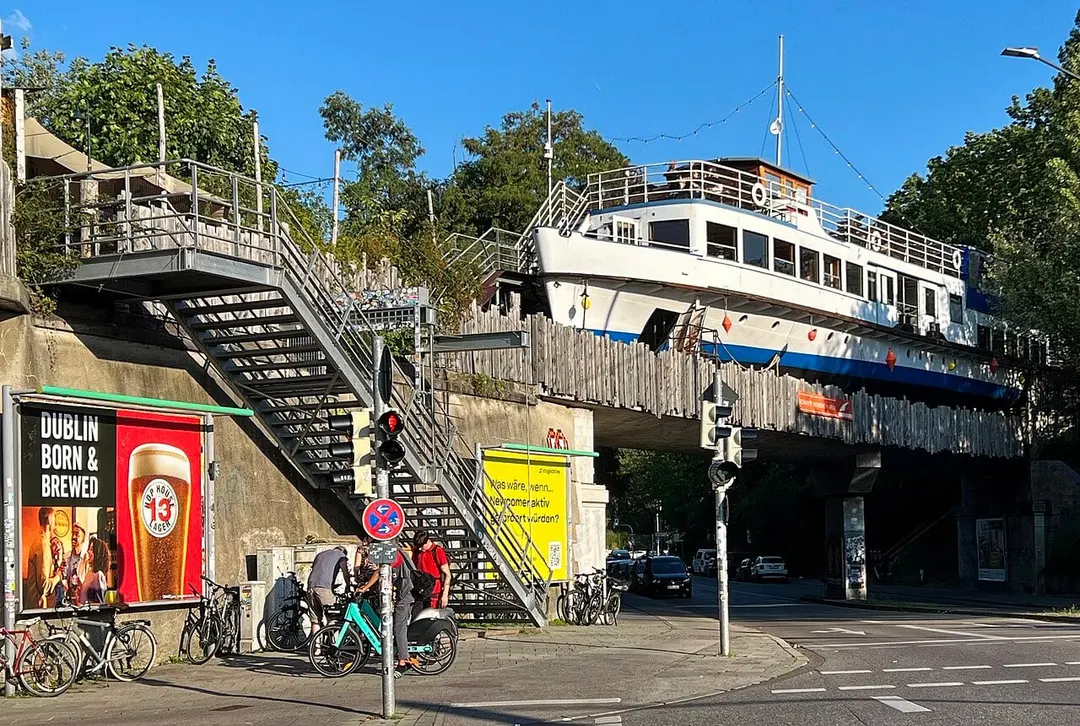
The Alte Utting is a former passenger ship that has been living a spectacular second life since 2016 — perched high atop a disused railway bridge in Munich's Sendling district. For decades it sailed the Ammersee as a regular ferry, before being lifted onto the bridge and transformed into a cultural hub. Today it houses a restaurant, a large outdoor terrace with panoramic city views, and regularly serves as a venue for concerts, parties and cultural events. The climb up to the bridge is worth it for the unusual perspective alone — ship, bridge and city skyline all in one.
Munich
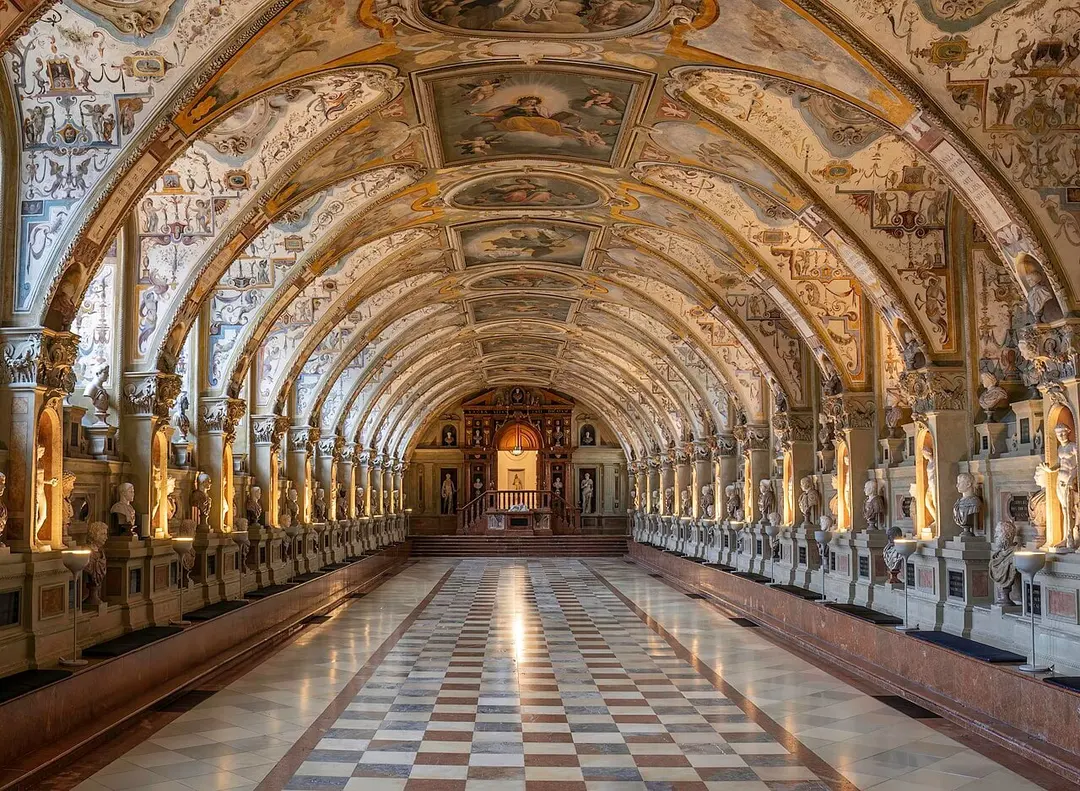
The Antiquarium of the Munich Residenz is considered one of the finest surviving Renaissance halls north of the Alps. Duke Albrecht V commissioned the long vaulted room between 1568 and 1571 to house his growing collection of ancient busts, vases, and marble sculptures. Within decades, Duke Wilhelm V transformed the ground floor into a grand banqueting hall: hundreds of grotesque paintings, Bavarian landscape vedute, and mythological scenes now cover every surface in an overwhelming Mannerist programme. The hall became a setting for ducal celebrations and diplomatic receptions, a function it retained for centuries. Today it forms part of the Residenzmuseum tour, inviting visitors to step into the same overwhelming opulence that once dazzled the princes of Bavaria.
Munich
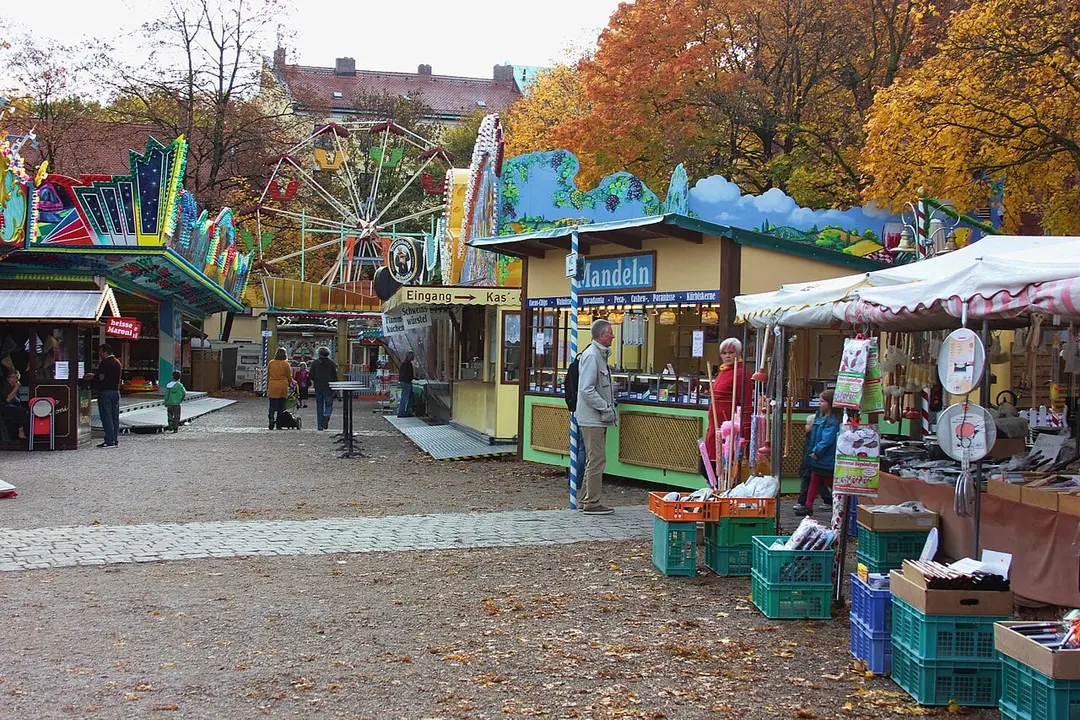
The Auer Dult is one of Munich's oldest and most beloved markets. Three times a year — as the Maidult, Jakobidult and Kirchweihdult — it transforms Mariahilfplatz in the Au district into a lively gathering of flea market stalls, antiques, household goods and traditional fairground rides. Each Dult lasts nine days, drawing collectors, bargain hunters and families alike. Between old porcelain, beer steins and unusual finds, surprises are never far away. The folk-festival atmosphere makes the Dult a genuine piece of Munich city life, well away from the main tourist crowds.
Munich
Munich
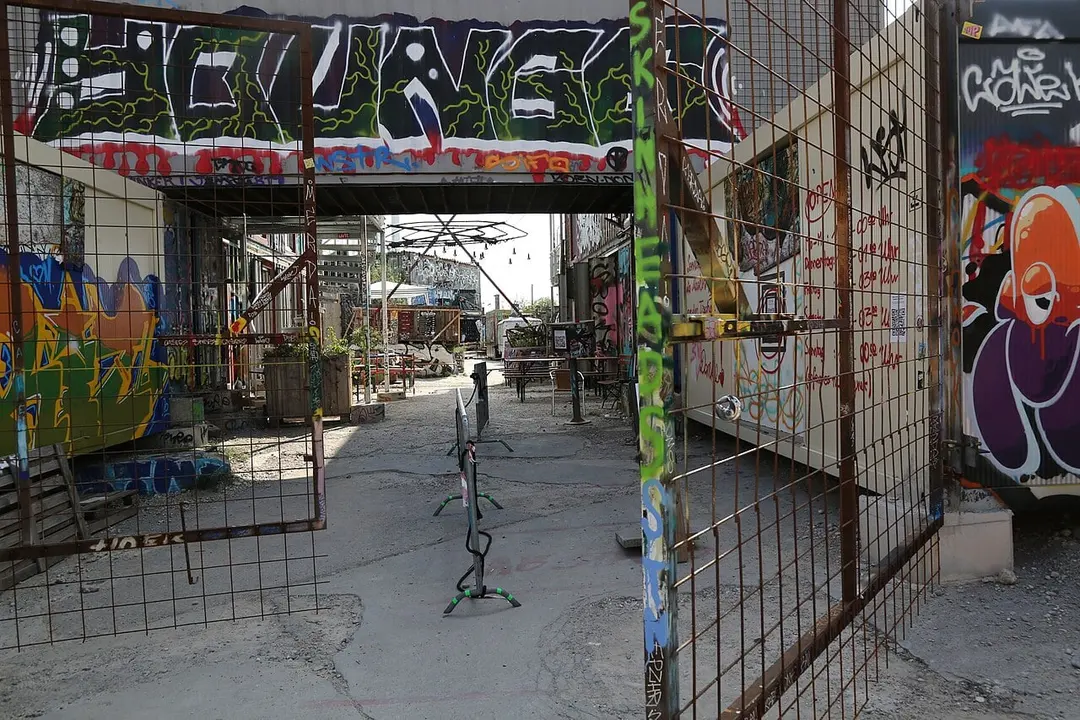
Bahnwärter Thiel is far more than a nightclub — it is an alternative universe tucked into Munich's Isarvorstadt district. Since 2015, two decommissioned trams on a former railway depot have become the heart of a sprawling open-air venue that combines a techno club, bars, food trucks, and an outdoor cinema. The iconic red tram from the 1950s doubles as a stage while crowds dance outside under the open sky. The crowd is a vivid mix of students, creatives, and electronic music lovers, united by a shared appreciation for urban reinvention. Bahnwärter Thiel has grown into one of Munich's most distinctive cultural spots, proving that the city's nightlife extends well beyond its famous beer halls.
Munich
Munich
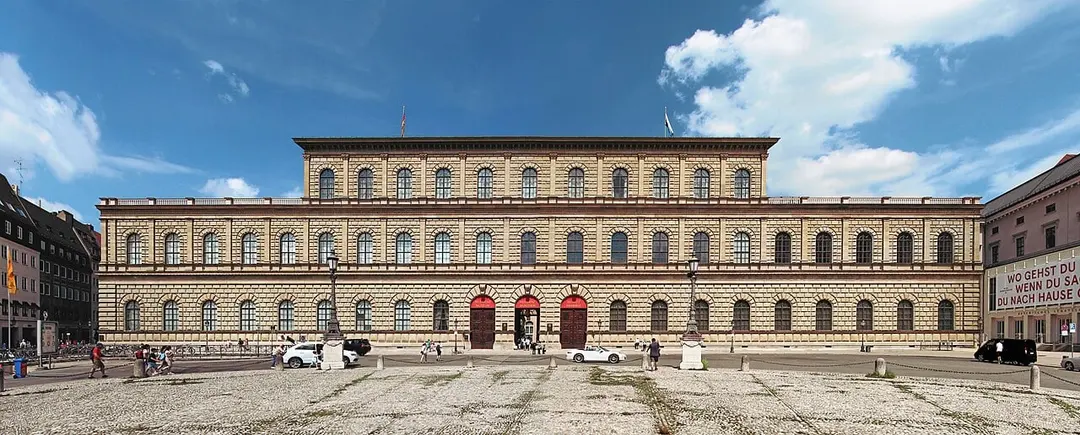
The Bavarian Academy of Fine Arts was founded in 1948 and describes itself as the highest custodian of art in the Free State of Bavaria. It brings together eminent figures from literature, the visual arts, music and the performing arts — membership is considered one of the most prestigious cultural honours in Bavaria. The Academy is based at Max-Joseph-Platz in Munich's historic Residenz quarter and awards its own prizes, organises public readings, concerts and symposia. Founded in the immediate postwar years, it was conceived from the outset as a counterweight to state cultural policy — a place where free artistic thinking is nurtured. Today it numbers around 300 members from the German-speaking world and beyond.
Munich
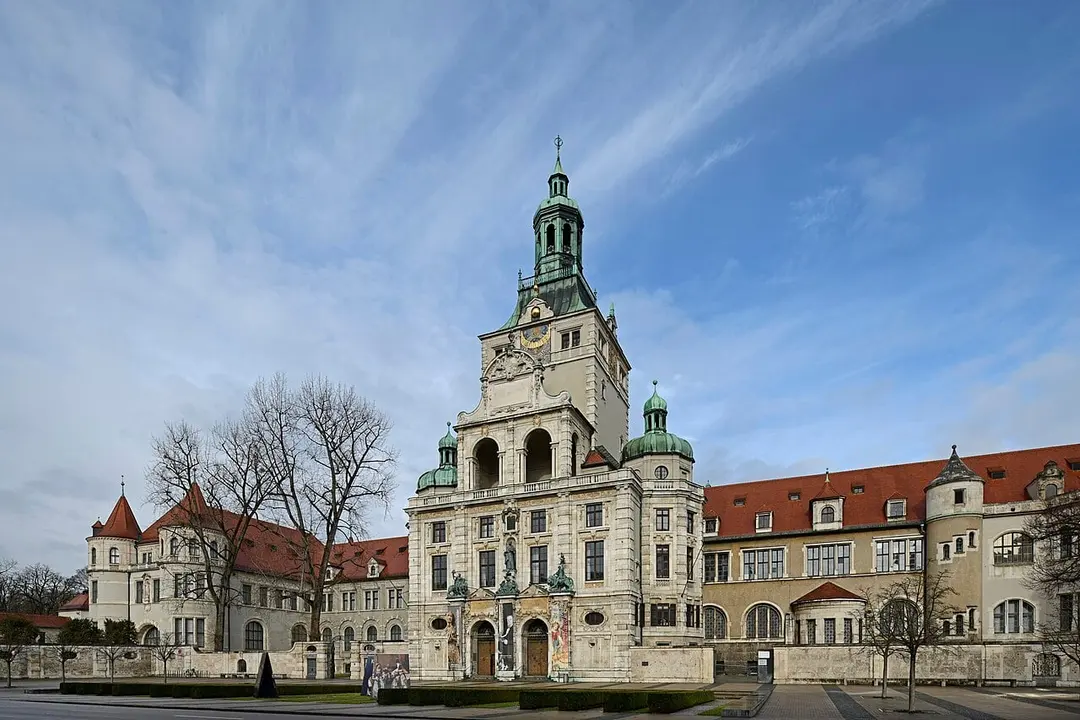
The Bavarian National Museum on Munich's Prinzregentenstraße is one of Europe's most important museums of decorative arts. Across some 13,000 m² of exhibition space, it presents art and cultural-history collections from the early Middle Ages to the 20th century: European sculpture, textiles, ceramics and glasswork. It is especially known for its folklore department in the basement, home to one of the world's largest nativity scene collections. The building itself, founded in 1855 and opened in its current form in 1900, is a grand historicist structure whose façades cycle through styles from Romanesque to Renaissance.
Munich
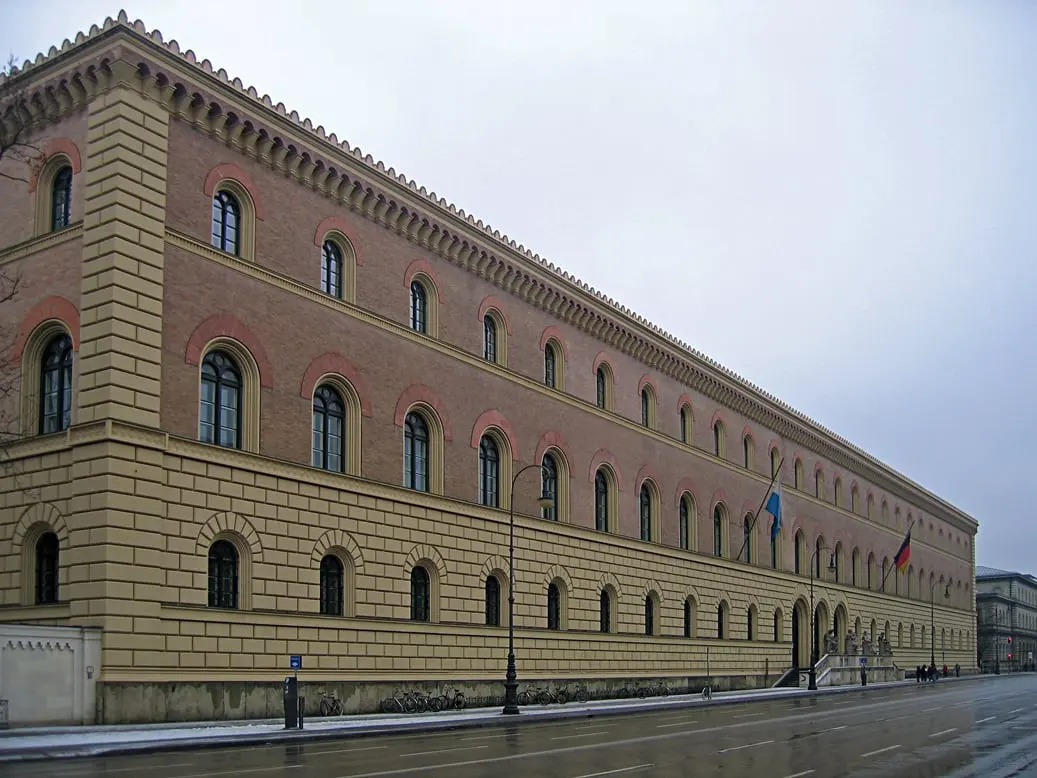
The Bavarian State Library is one of the most important research libraries in the world and serves as the cultural memory of the Free State of Bavaria. Founded in 1558 by Duke Albrecht V, it now holds around 39 million items, including one of the world's finest manuscript collections — medieval codices, ancient papyri, and early printed books. The monumental neo-Renaissance building on Ludwigstraße, completed in 1843 to designs by Friedrich von Gärtner, is itself a landmark: the entrance hall, lined with marble staircases and statues of Greek scholars, sets the intellectual tone immediately. Today, the library not only serves researchers but also opens its treasures to the general public through rotating exhibitions.
Munich
Munich
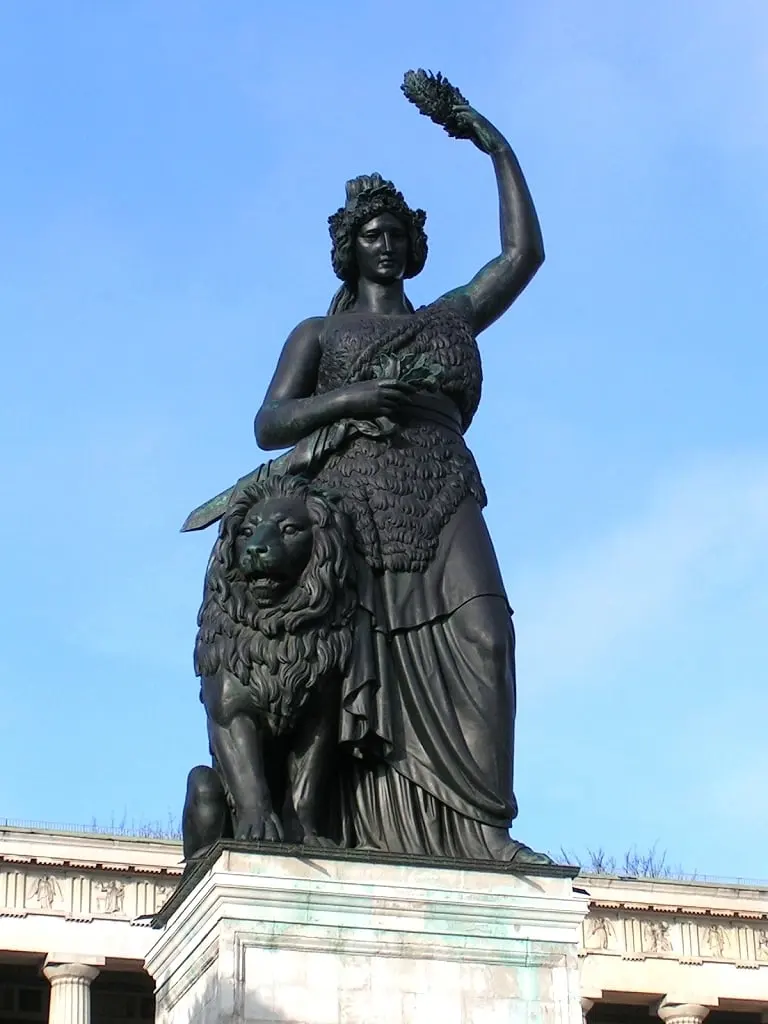
The Bavaria is the towering bronze figure on Munich's Theresienwiese and the feminine symbol of the Free State of Bavaria. Standing 18.5 metres tall and weighing around 87 tonnes, she ranks among the largest bronze castings of the 19th century anywhere in the world. Ludwig Schwanthaler designed the figure, and it was cast in 1850 by Ferdinand von Miller at the royal bronze foundry — an engineering feat achieved in five sections assembled on site. The Bavaria stands with a lion at her side and an oak wreath in her raised hand. Inside, a spiral staircase leads up to the head, which offers a sweeping panorama across Munich. Behind her stands the Hall of Fame (Ruhmeshalle) with busts of celebrated Bavarians. Today she is one of the city's most recognisable landmarks and the focal point of the Oktoberfest grounds.
Munich
Munich
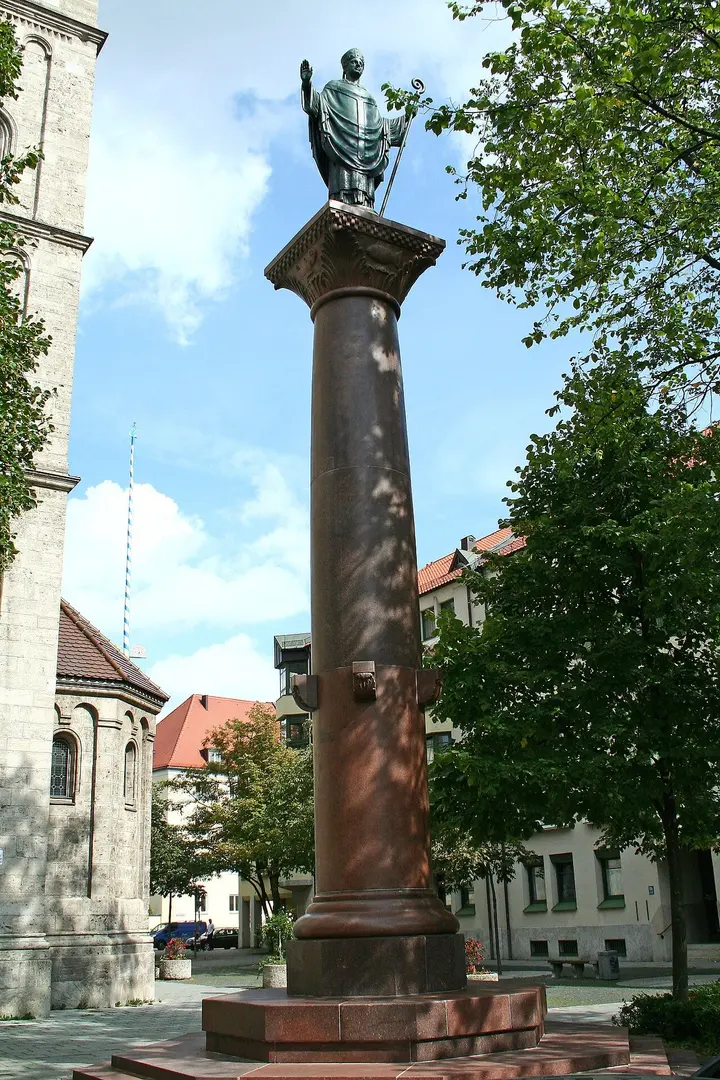
The Benno Column stands on a small square southeast of the parish church of St. Benno in the Maxvorstadt district, honouring St. Benno, patron saint of Munich. The monument was unveiled in 1910 — the overall design by Munich architect German Bestelmeyer, the figurative work by sculptor Georg Albertshofer, cast by Ferdinand von Miller. The slender column with its sacred figure is a typical example of ecclesiastical monument-making during the Wilhelmine era in Bavaria. It marks the entrance area to the St. Benno parish, a lively congregation in the heart of Munich's university quarter. For most passers-by it is a quiet piece of street furniture — look more closely and you find craftsmanship and a slice of Munich's devotional history.
Munich
Keep exploring
Rate places with a swipe — TravelType learns from your tags what you love and curates your own map. Private until you choose to share.