Asamkirche
Munich
architectureculturelocal gems+3
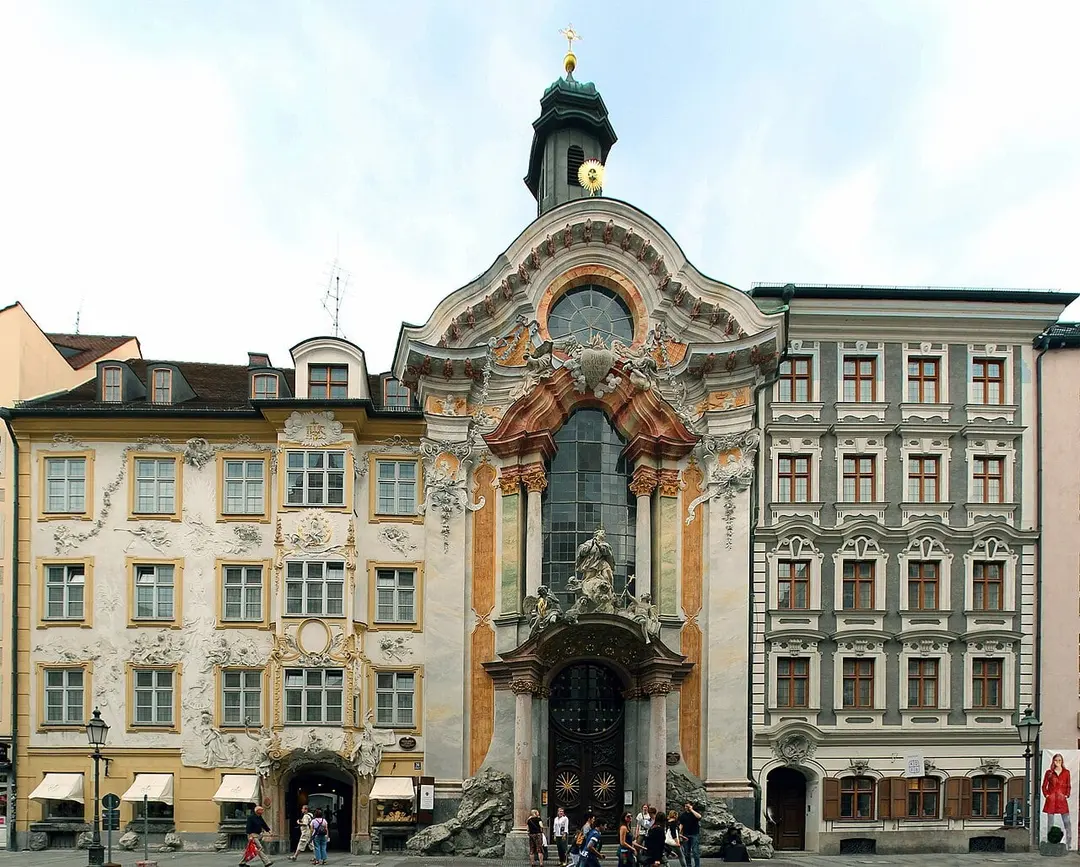
Built by the Asam brothers 1733–46 as a private church — one of the purest examples of Southern German late Baroque, dripping gold and stucco.
history
Munich's history is woven into its streets, churches, and public spaces across many centuries. The Baroque interiors of the Asamkirche and the Theatinerkirche stand alongside the older Allerheiligenkirche am Kreuz and the Allerheiligen Court Church. The Munich City Museum traces the city's story from the medieval period to the present day, while the Lenbachhaus connects civic and artistic history. A memorial marking 8 November 1939 confronts one of the most sombre chapters of the twentieth century. Theresienwiese, the Olympiaturm, and the French Quarter in Haidhausen each reflect a distinct era, together showing how layers of the past continue to shape the city.
72 places · Munich, Germany · Editorially curated
Munich
Built by the Asam brothers 1733–46 as a private church — one of the purest examples of Southern German late Baroque, dripping gold and stucco.
Munich
Neighborhood named after French cities (Pariser, Bordeauxplatz), brick tenements and a big weekly market — creative Munich.
Munich
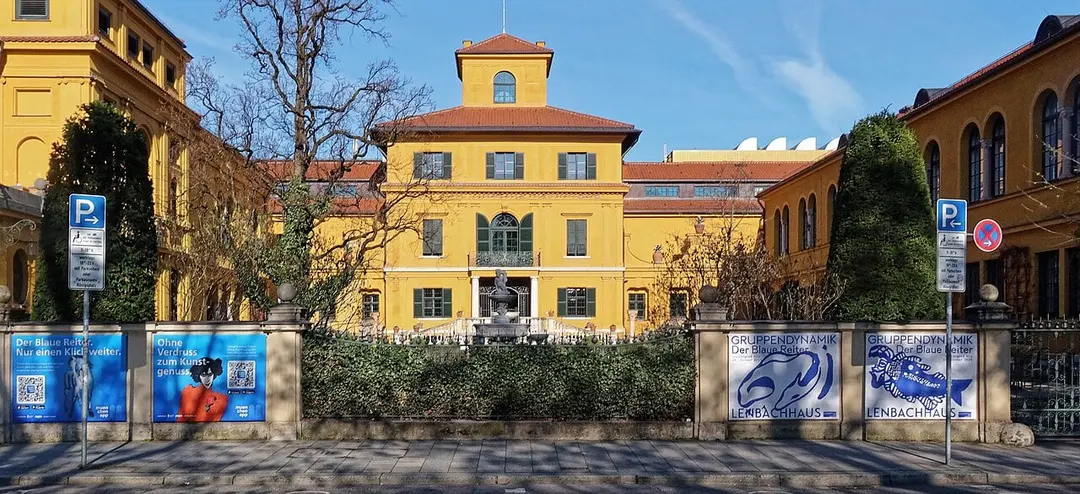
Franz von Lenbach's former villa houses the world's largest Blaue Reiter collection — Kandinsky, Marc, Münter.
Munich
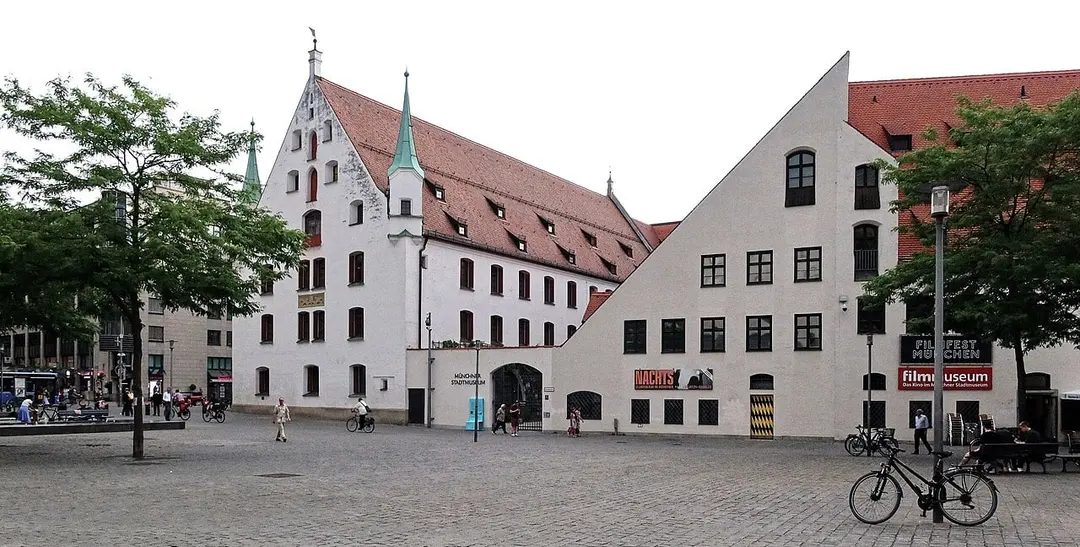
Collection of Munich city history from the Middle Ages to today — fashion, photo, the film museum and the Moriskentänzer cabinet.
Munich
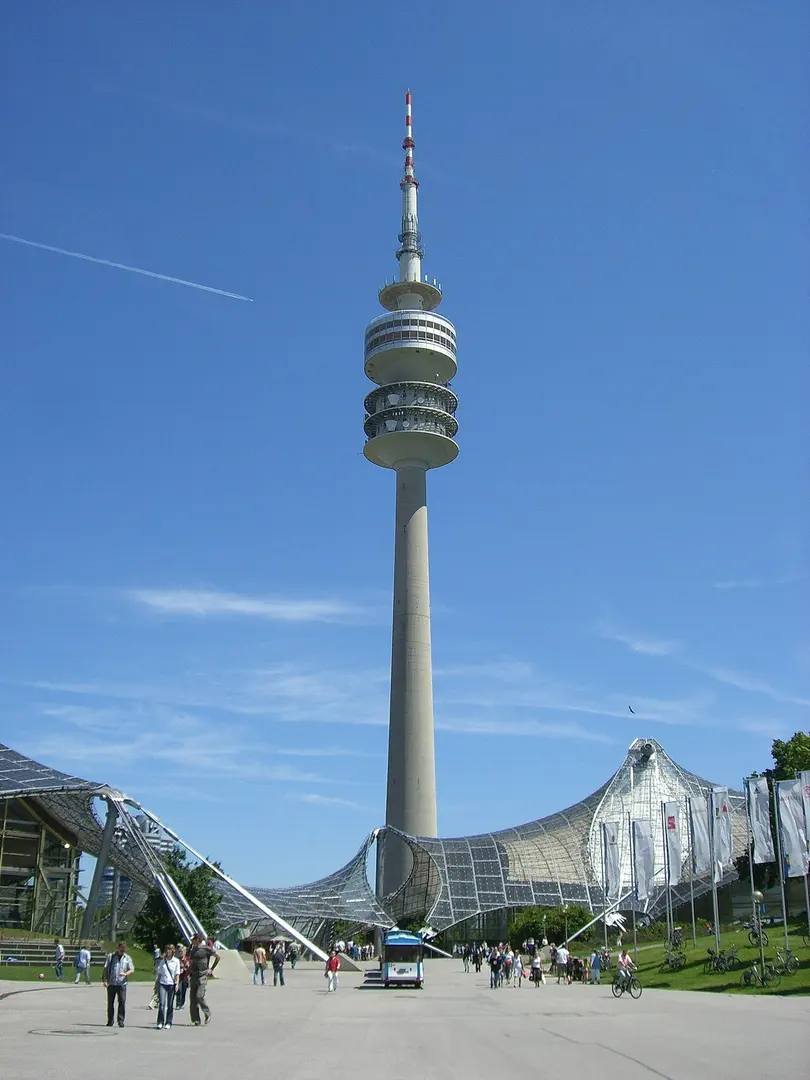
1968 transmission tower with viewing platform and revolving restaurant — clear Alpine views on Föhn days.
Munich
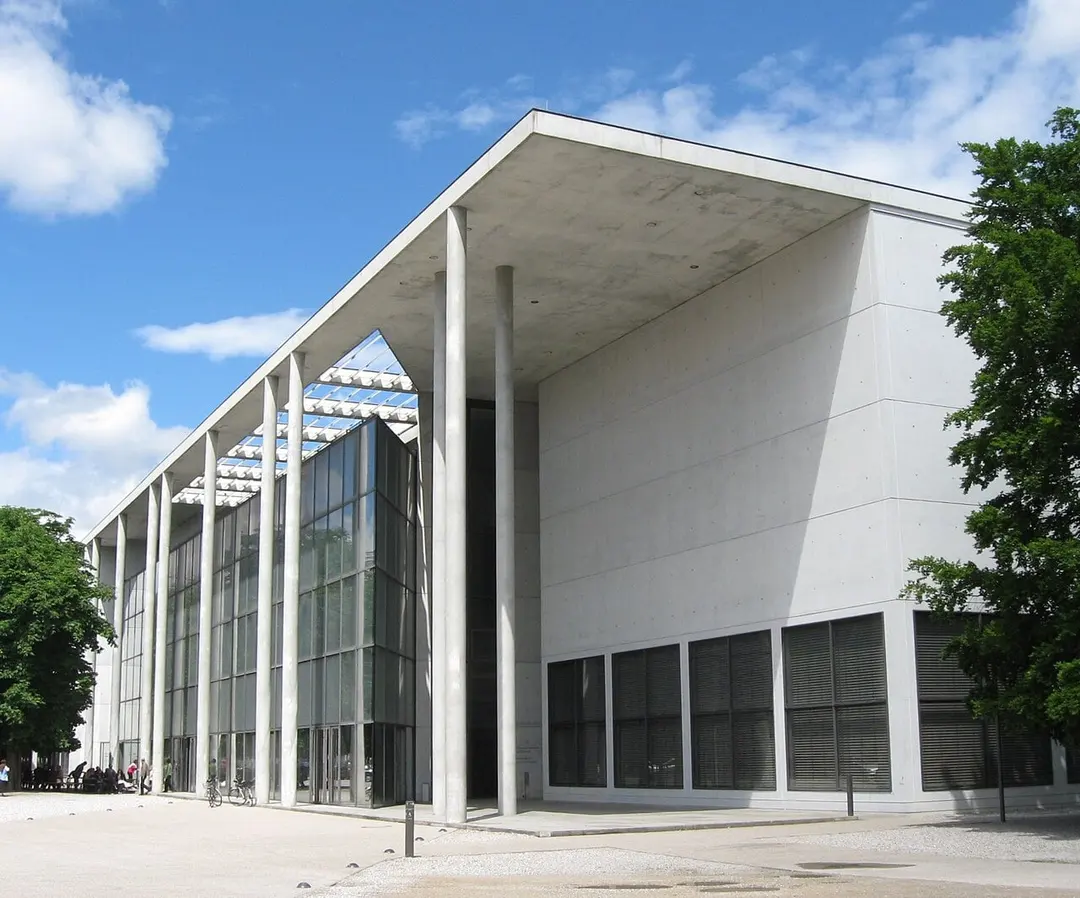
Stephan Braun's 2002 glass rotunda with four collections under one roof: art, design, architecture, works on paper.
Munich
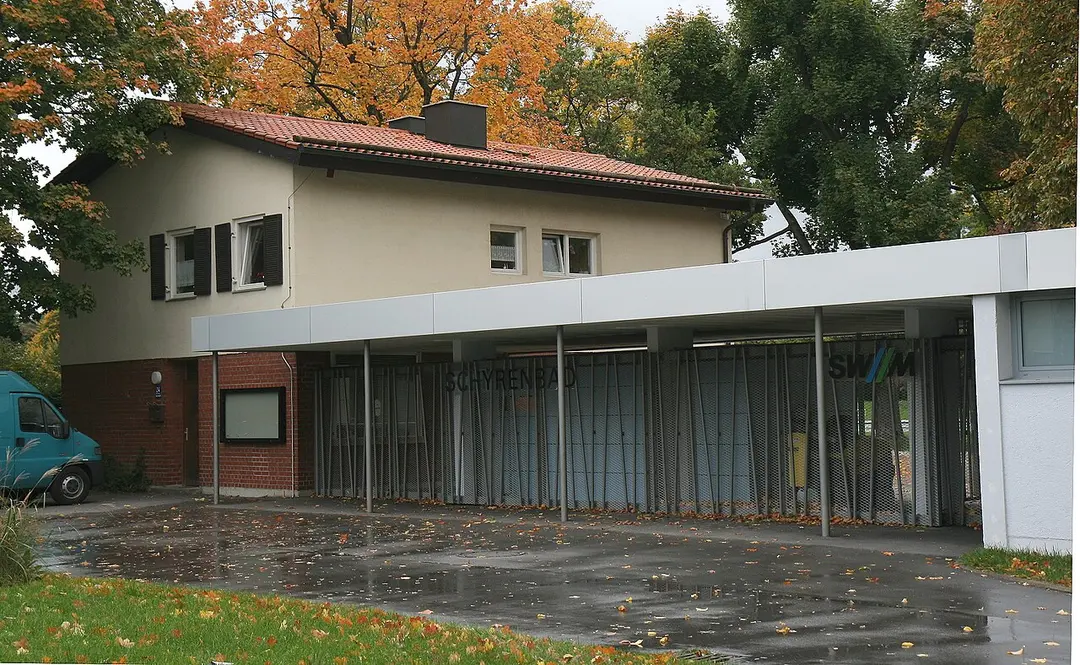
Munich's oldest outdoor pool complex, neoclassical 1930s architecture, large lawn, diving tower — a local favorite.
Munich
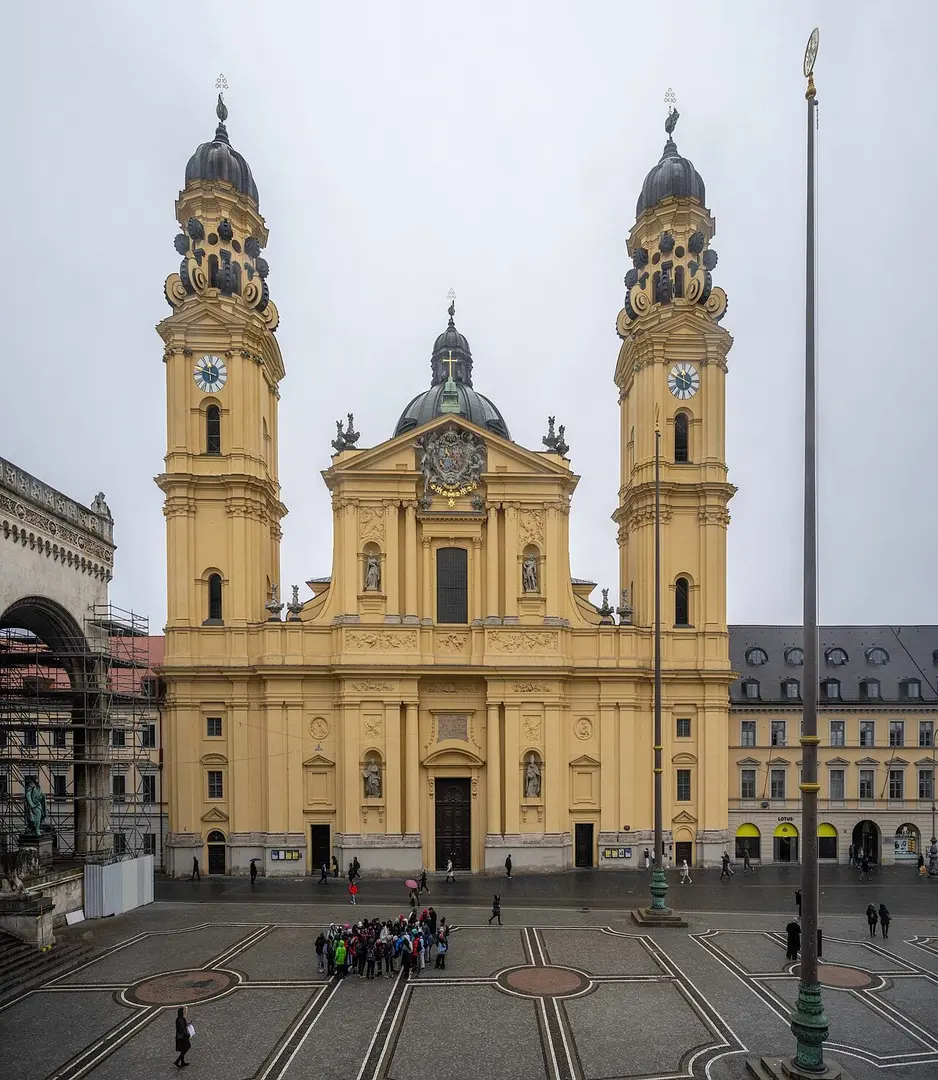
1690 court church with a 71 m dome and twin-tower façade after Roman models — its yellow defines the skyline.
Munich
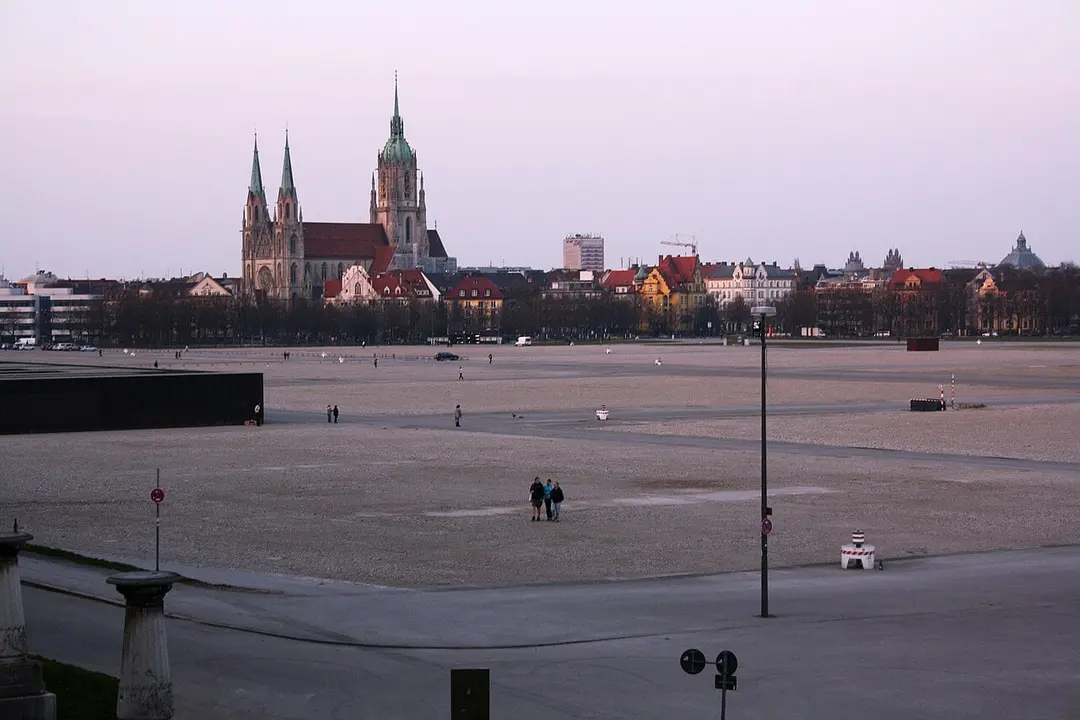
16 days of Oktoberfest a year, otherwise a park with the Bavaria statue, the Frühlingsfest and Tollwood — Munich's biggest festival ground.
Munich
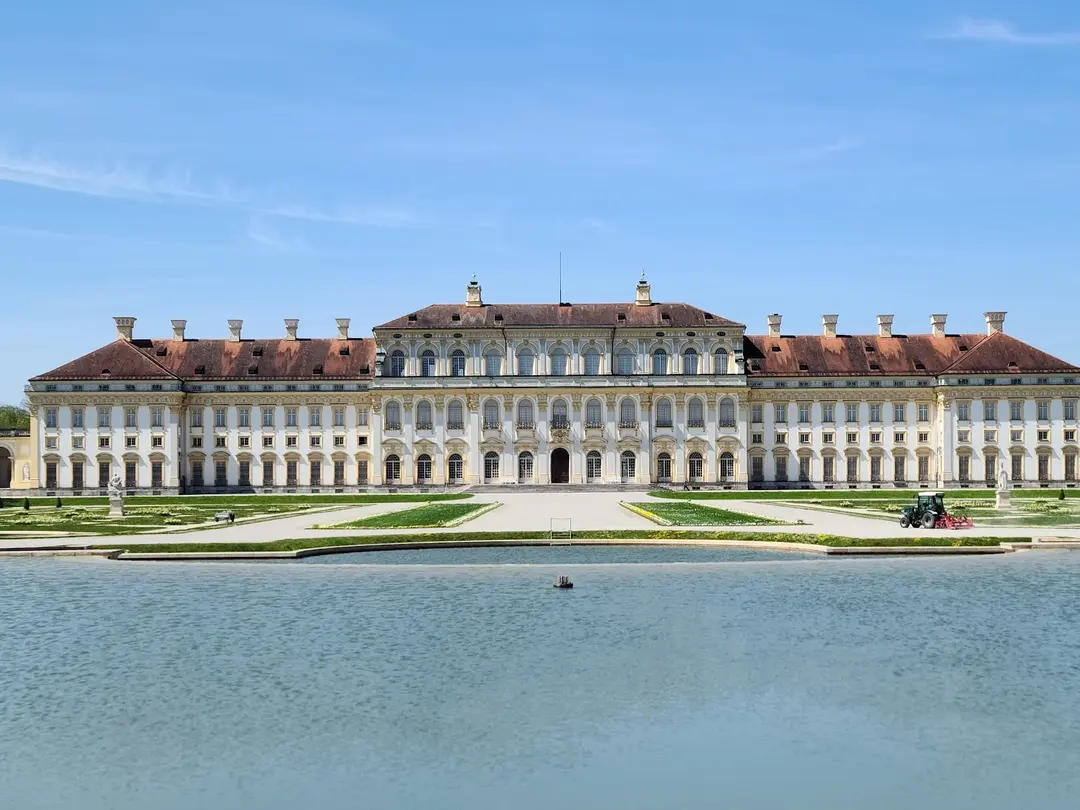
Baroque three-palace complex with French garden, Great Hall and old gallery — Munich's mini-Versailles.
Munich
Munich
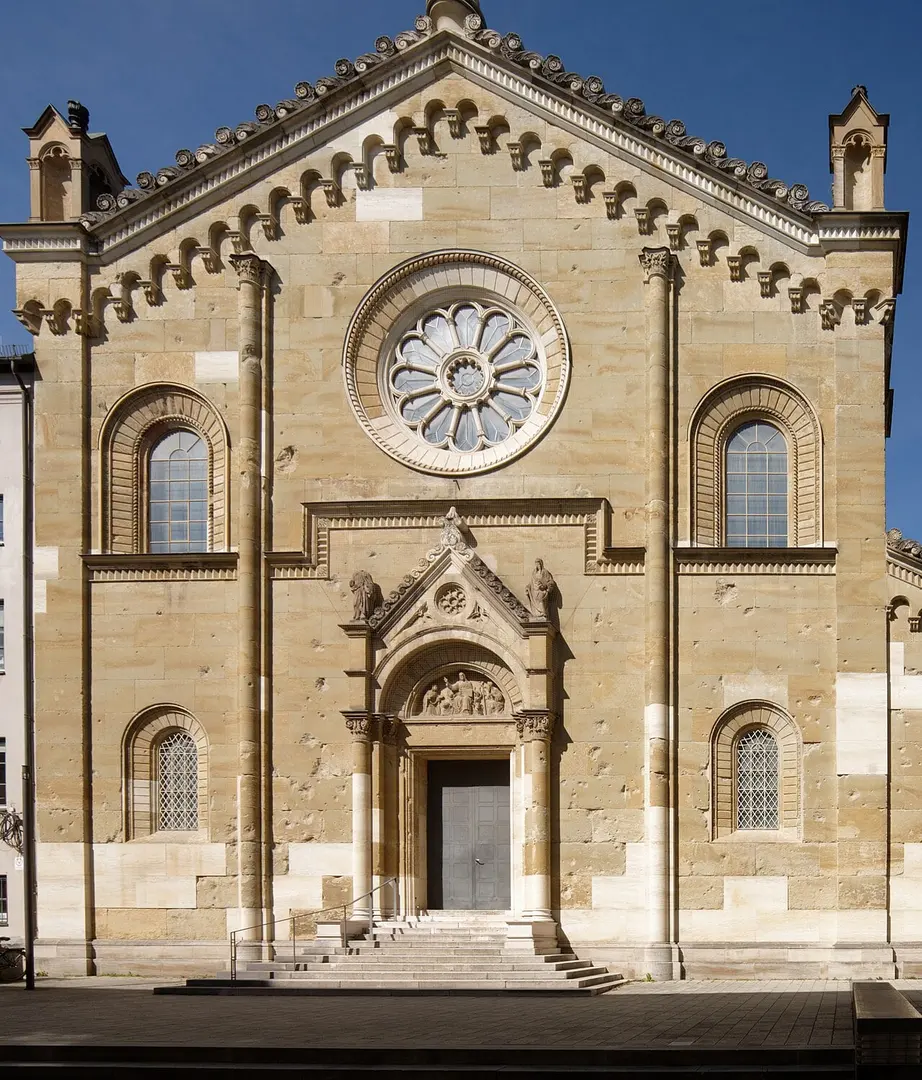
The Allerheiligen-Hofkirche is a neo-Romanesque court church completed in 1837, designed by Leo von Klenze for King Ludwig I inside the Munich Residenz. Klenze drew inspiration from early Christian basilicas and Byzantine models, giving the interior an unusual blend of austerity and splendour. Grand frescoes by Peter von Cornelius once decorated the walls — much was destroyed in World War II. After extensive restoration, the church is now part of the Residenz Museum and opens for concerts and special exhibitions.
Munich
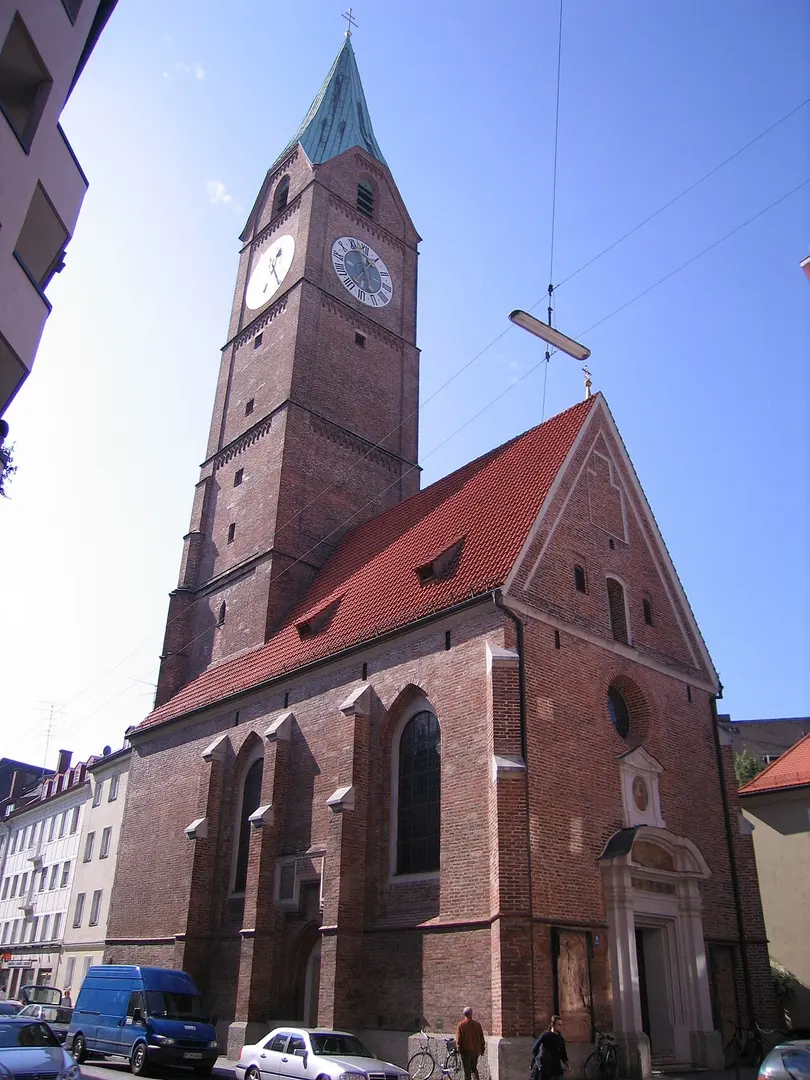
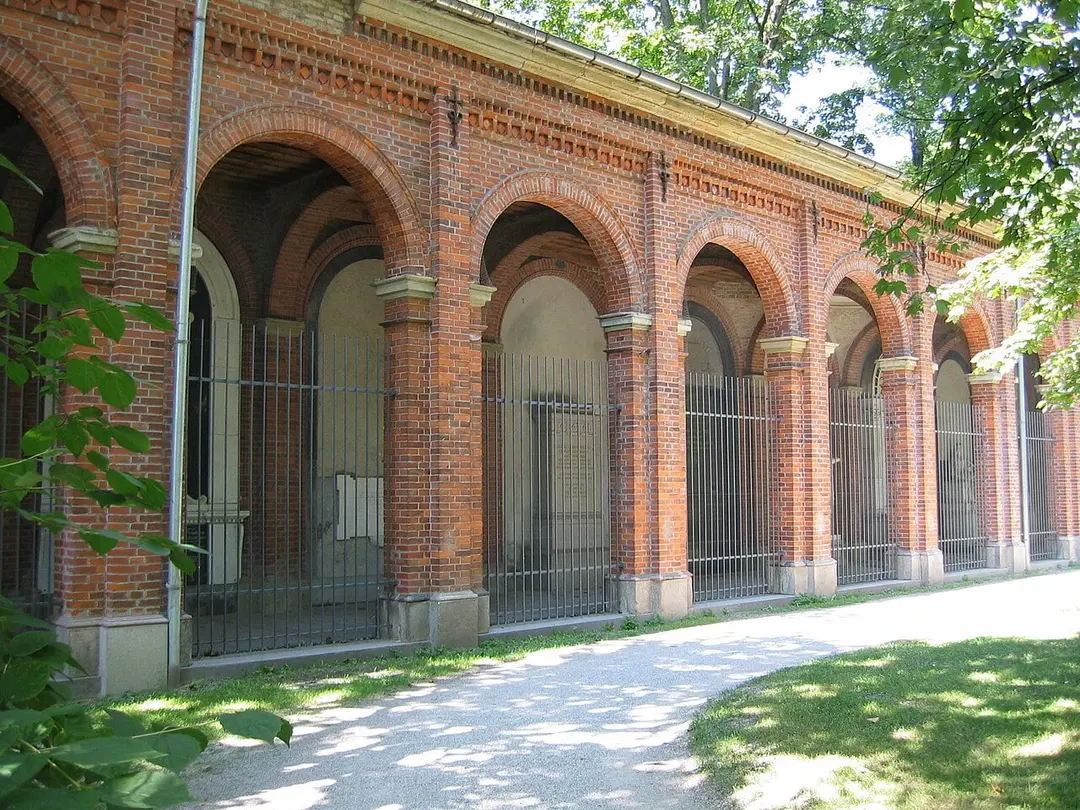
The Allerheiligenkirche am Kreuz — literally "All Saints Church at the Cross" — is one of Munich's oldest surviving churches. Founded in 1478 as the cemetery church of St. Peter's parish, it served the community around the famous "Old Peter" church for centuries. The narrow late-Gothic nave with its characteristic cross vault blends quietly into the surrounding streetscape, making it easy to walk past without noticing. Today it remains a subsidiary church of St. Peter and opens occasionally for services and small concerts.
Munich
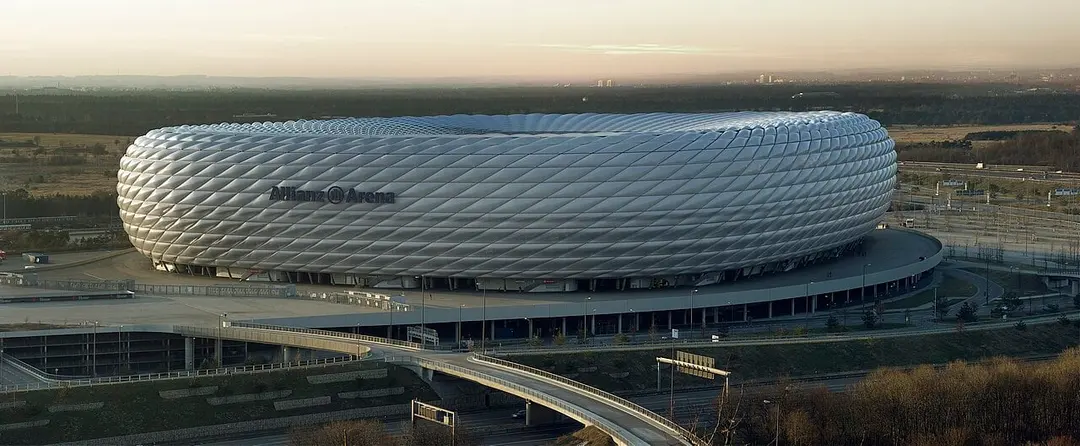
Bayern Munich's home ground, 75,000 seats wrapped in ETFE cushions that glow red, white or blue at night.
Munich
Munich
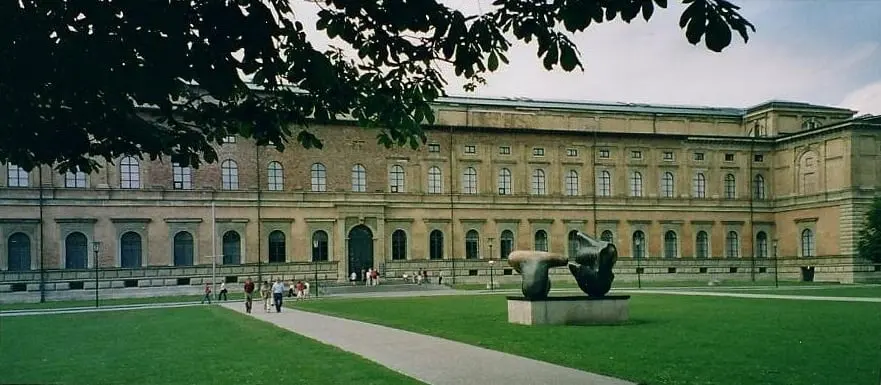
One of the world's largest old-master collections: Dürer, Rubens, Rembrandt, Leonardo, Titian under one roof. Built in 1836 as the first public museum at this scale.
Munich
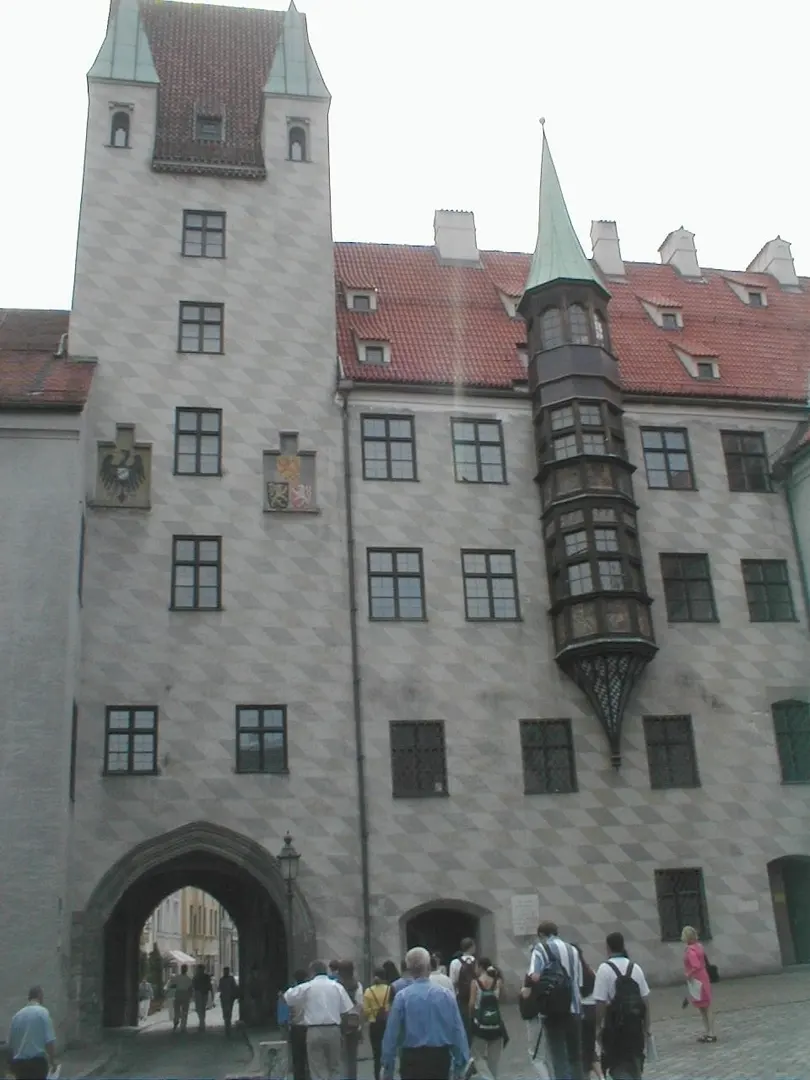
The Alter Hof is Munich's oldest surviving seat of power, built as a ducal fortress in the late 12th century. From 1255 it served as the residence of the Dukes of Upper Bavaria and briefly functioned as an imperial palace under Ludwig the Bavarian. The sprawling complex — comprising several wings and courtyards — survived centuries of urban growth around it. Today it houses government offices alongside a small museum on Wittelsbach history, while the courtyard invites visitors to step into Munich's medieval core.
Munich
Munich
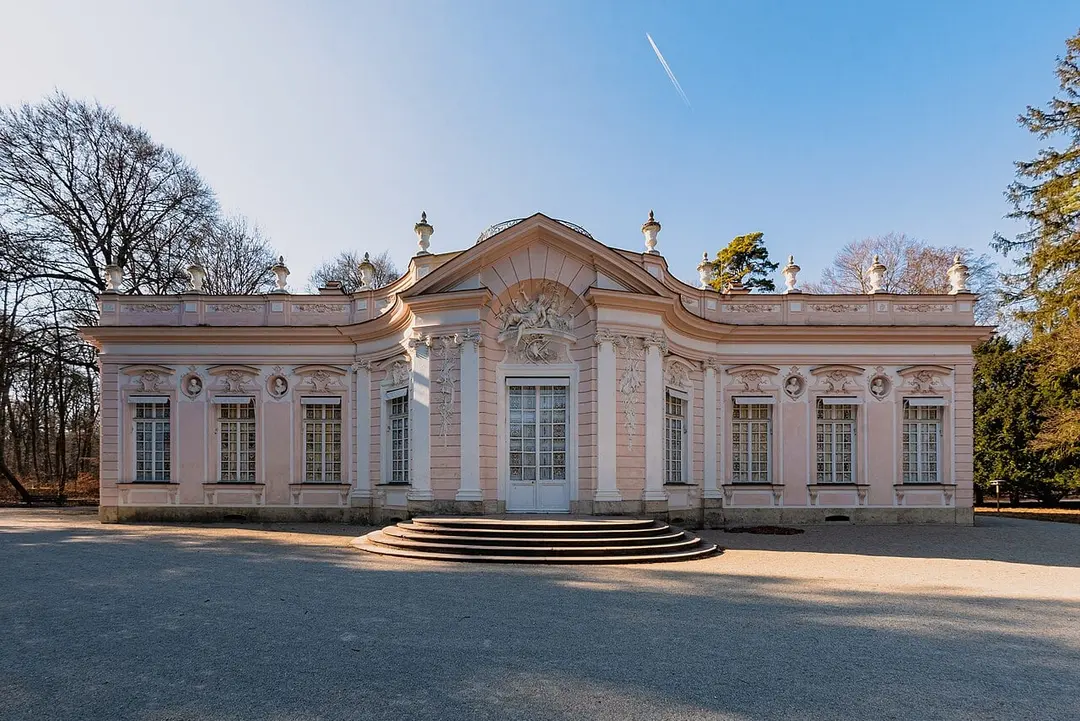
The Amalienburg is considered the finest of the four garden pavilions in Nymphenburg Palace Park and a masterpiece of European Rococo. Elector Karl Albrecht commissioned the small hunting lodge between 1734 and 1739 as a gift for his wife Maria Amalia — hence the name. Architect François de Cuvilliés created a jewel whose plain exterior gives no hint of the dazzling Hall of Mirrors within, a swirling fantasy of stucco, silver, and gold. Open to the public as part of the Bavarian Palace Administration, the Amalienburg remains one of the most visited treasures of the Nymphenburg grounds.
Munich
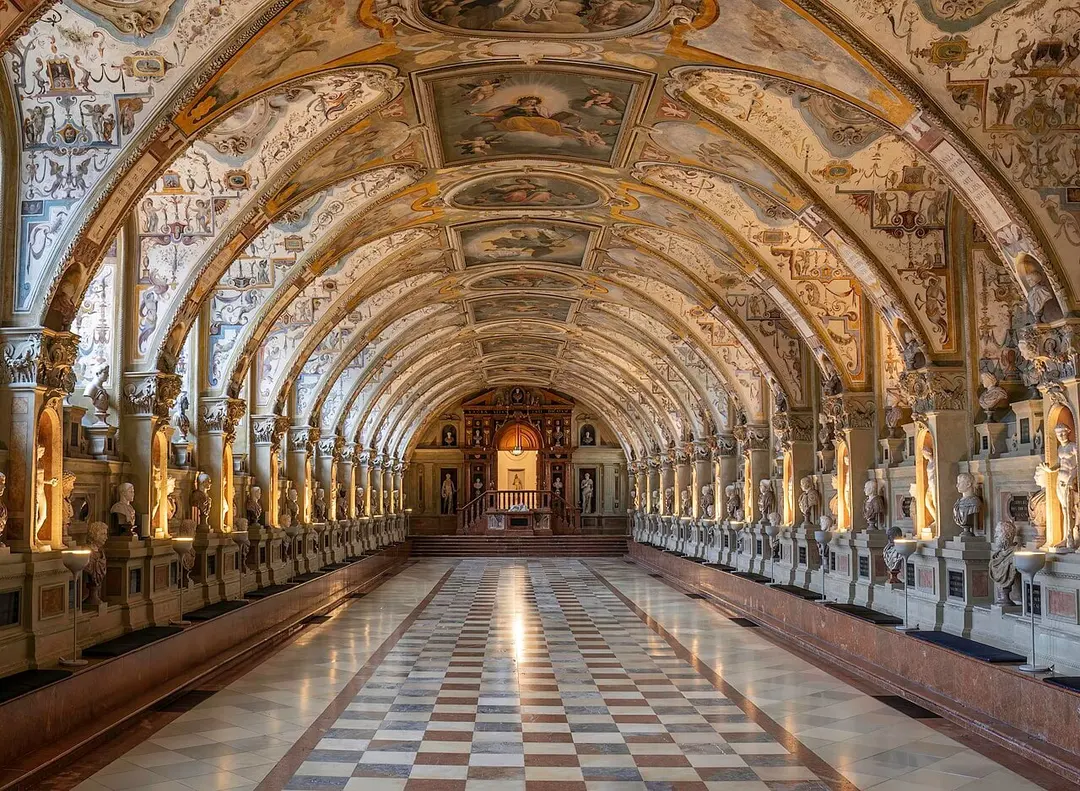
The Antiquarium of the Munich Residenz is considered one of the finest surviving Renaissance halls north of the Alps. Duke Albrecht V commissioned the long vaulted room between 1568 and 1571 to house his growing collection of ancient busts, vases, and marble sculptures. Within decades, Duke Wilhelm V transformed the ground floor into a grand banqueting hall: hundreds of grotesque paintings, Bavarian landscape vedute, and mythological scenes now cover every surface in an overwhelming Mannerist programme. The hall became a setting for ducal celebrations and diplomatic receptions, a function it retained for centuries. Today it forms part of the Residenzmuseum tour, inviting visitors to step into the same overwhelming opulence that once dazzled the princes of Bavaria.
Munich
Munich
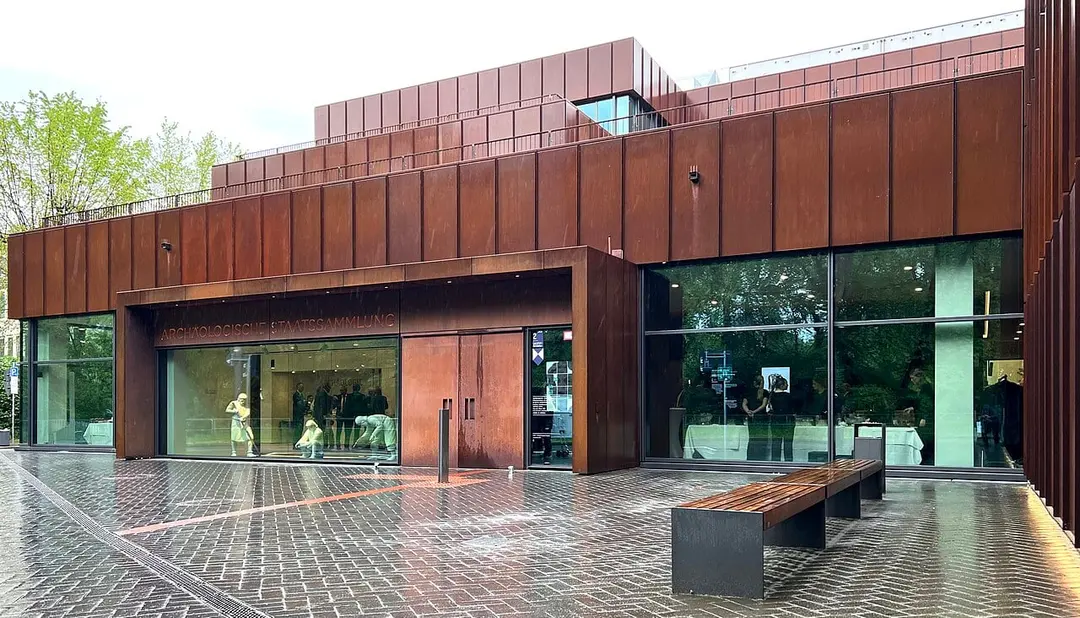
The Archaeological State Collection is Bavaria's central museum for prehistory and early history, safeguarding the remains of human life in southern Germany from the Old Stone Age through the early Middle Ages. Visitors encounter around 600,000 years of history: hand axes from the Ice Age, opulent Celtic princely graves with exquisite goldwork, Roman everyday objects and tombstones, and Frankish jewelled fibulae. A dedicated section covers the Mediterranean and the Near East, illustrating how Bavaria has always been woven into a broader European cultural fabric. The museum occupies a building in central Munich and has recently modernised its permanent galleries, making the collections more accessible than ever.
Munich
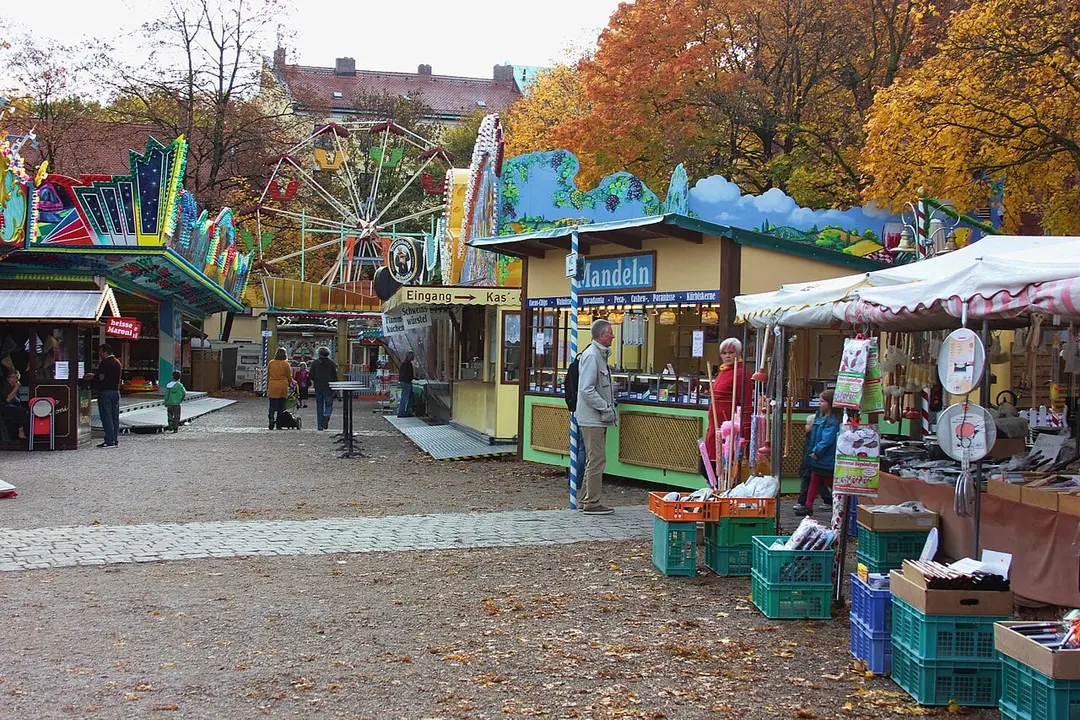
The Auer Dult is one of Munich's oldest and most beloved markets. Three times a year — as the Maidult, Jakobidult and Kirchweihdult — it transforms Mariahilfplatz in the Au district into a lively gathering of flea market stalls, antiques, household goods and traditional fairground rides. Each Dult lasts nine days, drawing collectors, bargain hunters and families alike. Between old porcelain, beer steins and unusual finds, surprises are never far away. The folk-festival atmosphere makes the Dult a genuine piece of Munich city life, well away from the main tourist crowds.
Munich
Munich
Munich
Munich
The Basilica of St. Boniface stands in the heart of Munich's arts quarter and doubles as the church of a living Benedictine abbey. King Ludwig I commissioned architect Georg Friedrich Ziebland to design the building, which rose between 1835 and 1850 in neo-Byzantine style — a deliberate echo of early Christian basilicas in Rome. The church is dedicated to St. Boniface, the "Apostle of the Germans", the 8th-century missionary who spread Christianity across Germanic lands. Ludwig I himself is buried in the right aisle, making it both a royal mausoleum and a working monastery church. Today the abbey remains an active community of the Bavarian Benedictine Congregation; masses are open to the public, and the cloister offers a rare pocket of calm amid the busy museum district.
Munich
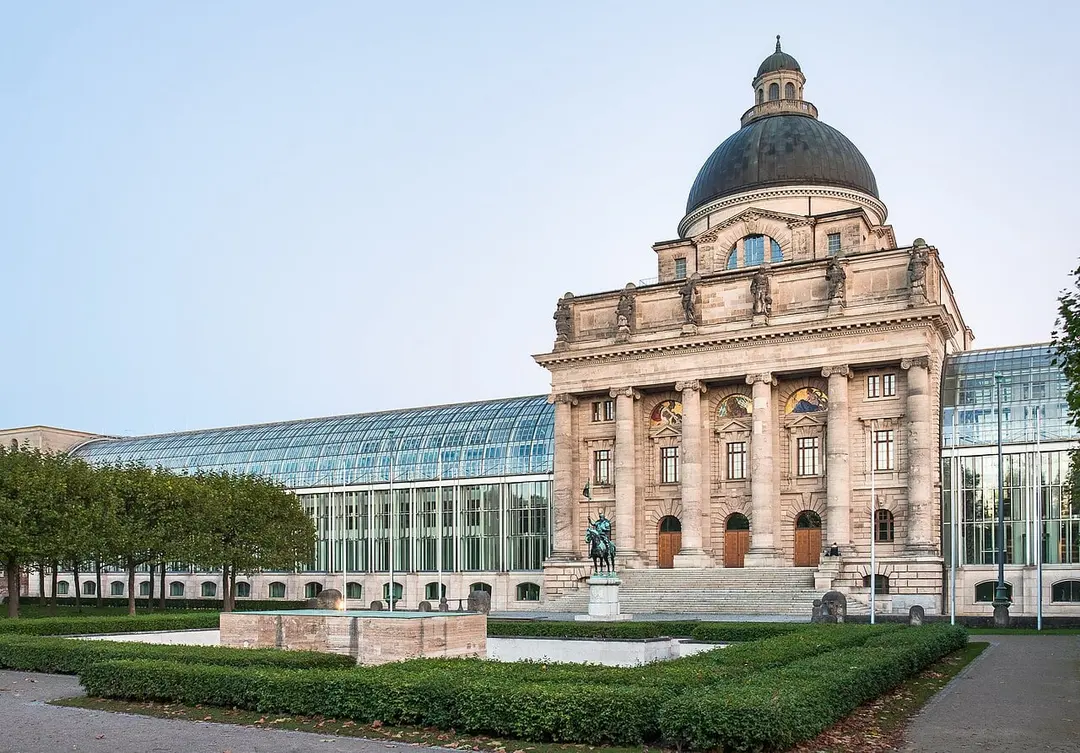
The Bavarian State Chancellery is the nerve centre of the Bavarian state government and official residence of the Minister-President. The striking building on the Hofgarten was created by converting the former Army Museum — a neoclassical 19th-century structure extended in the 1990s with a modern glass dome. The dome now dominates the ensemble and is clearly visible from the court garden. The building embodies the continuity of Bavarian statehood: cabinet decisions are prepared here, state receptions are held, and coordination with federal authorities is managed. While not a museum venue, its façade forms an essential part of the architectural walk around the Munich Residenz and Hofgarten.
Munich
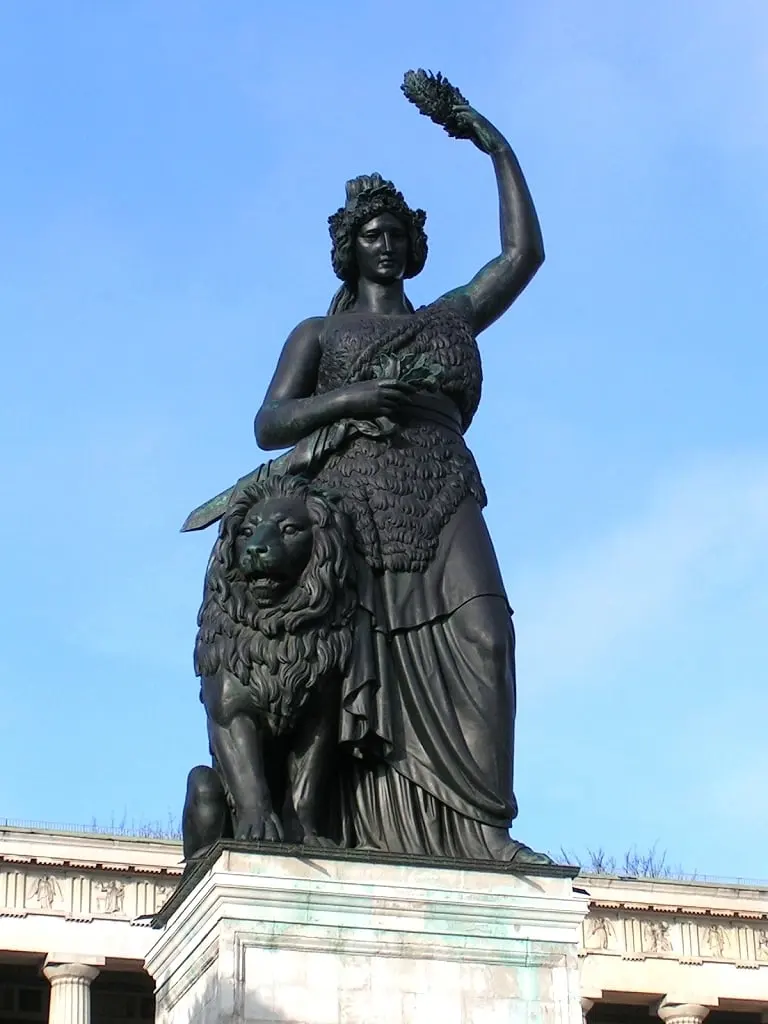
The Bavaria is the towering bronze figure on Munich's Theresienwiese and the feminine symbol of the Free State of Bavaria. Standing 18.5 metres tall and weighing around 87 tonnes, she ranks among the largest bronze castings of the 19th century anywhere in the world. Ludwig Schwanthaler designed the figure, and it was cast in 1850 by Ferdinand von Miller at the royal bronze foundry — an engineering feat achieved in five sections assembled on site. The Bavaria stands with a lion at her side and an oak wreath in her raised hand. Inside, a spiral staircase leads up to the head, which offers a sweeping panorama across Munich. Behind her stands the Hall of Fame (Ruhmeshalle) with busts of celebrated Bavarians. Today she is one of the city's most recognisable landmarks and the focal point of the Oktoberfest grounds.
Munich
Keep exploring
Rate places with a swipe — TravelType learns from your tags what you love and curates your own map. Private until you choose to share.