Deutsches Museum
Also known as: Deutsches Museum von Meisterwerken der Naturwissenschaft und Technik, German Museum, Das Deutsche Museum
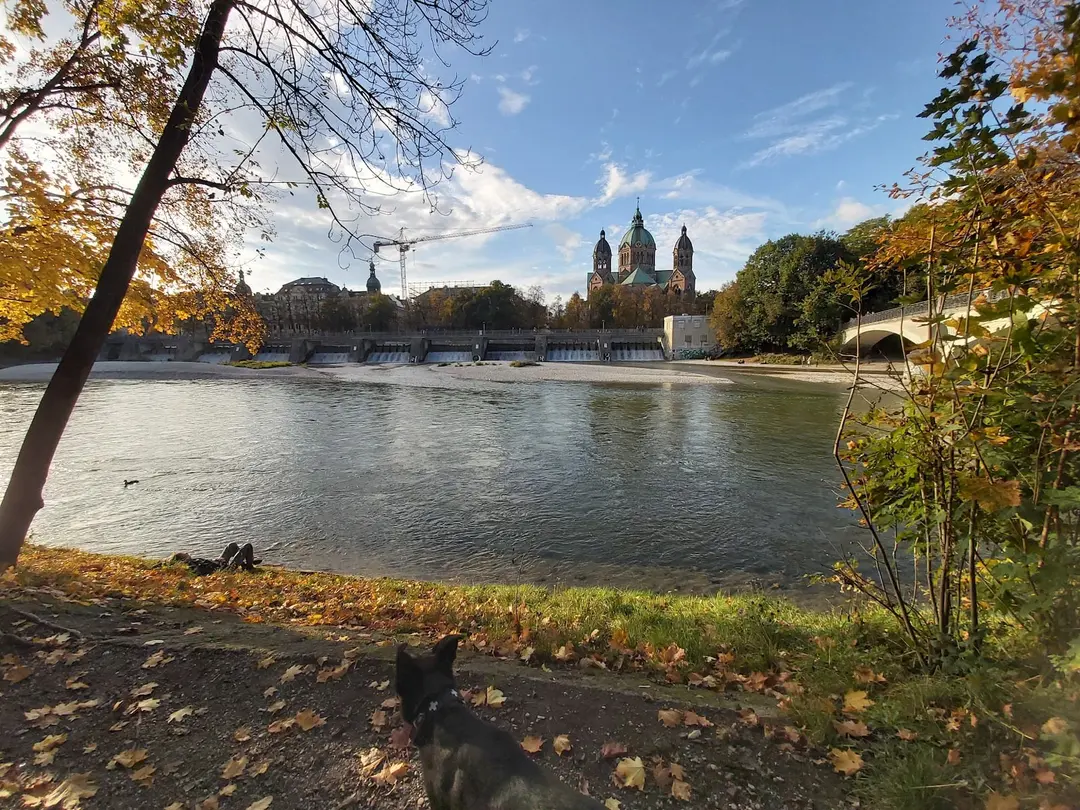
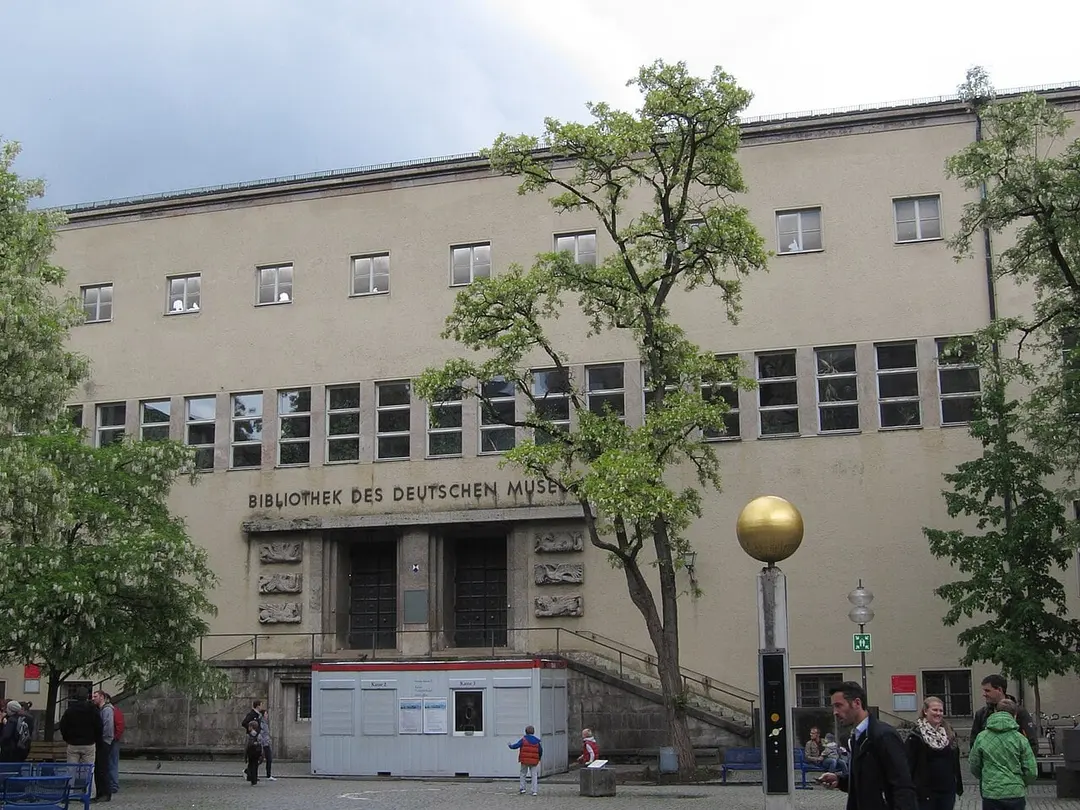
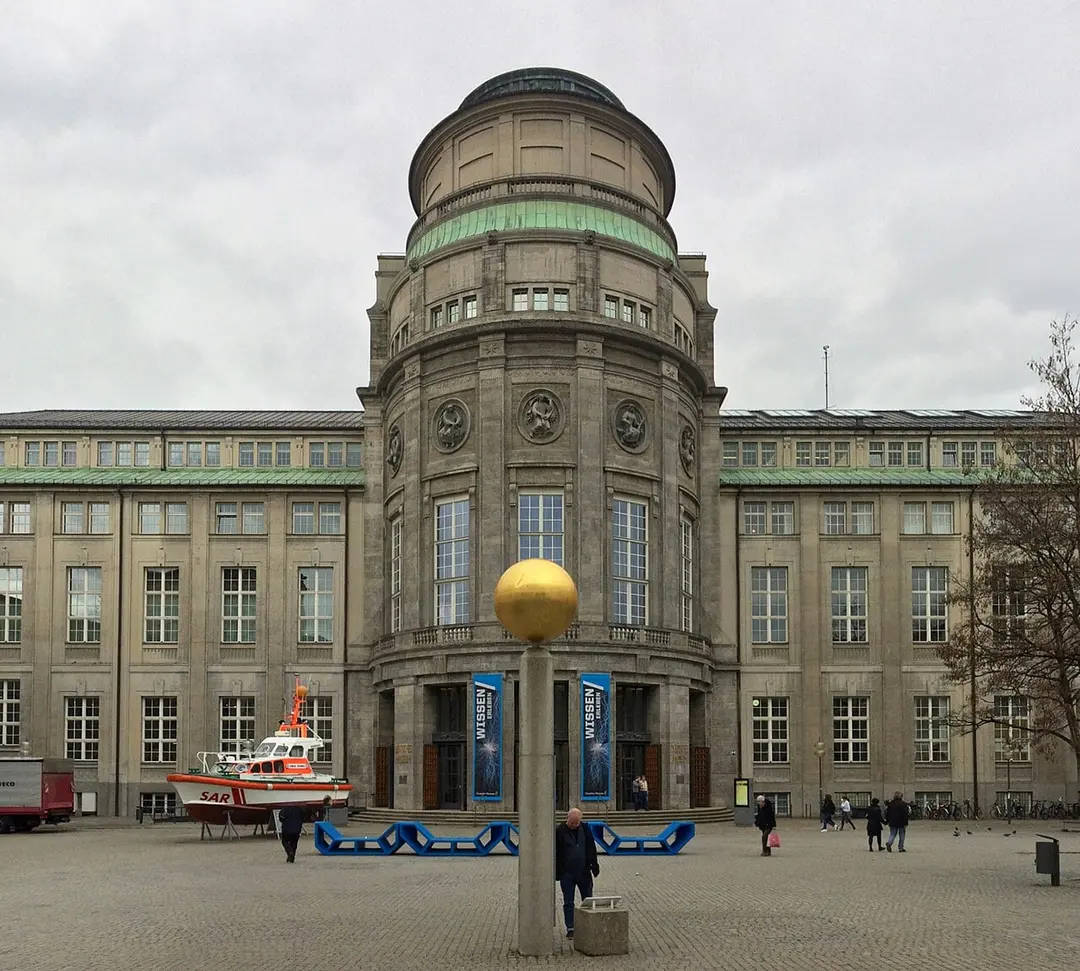
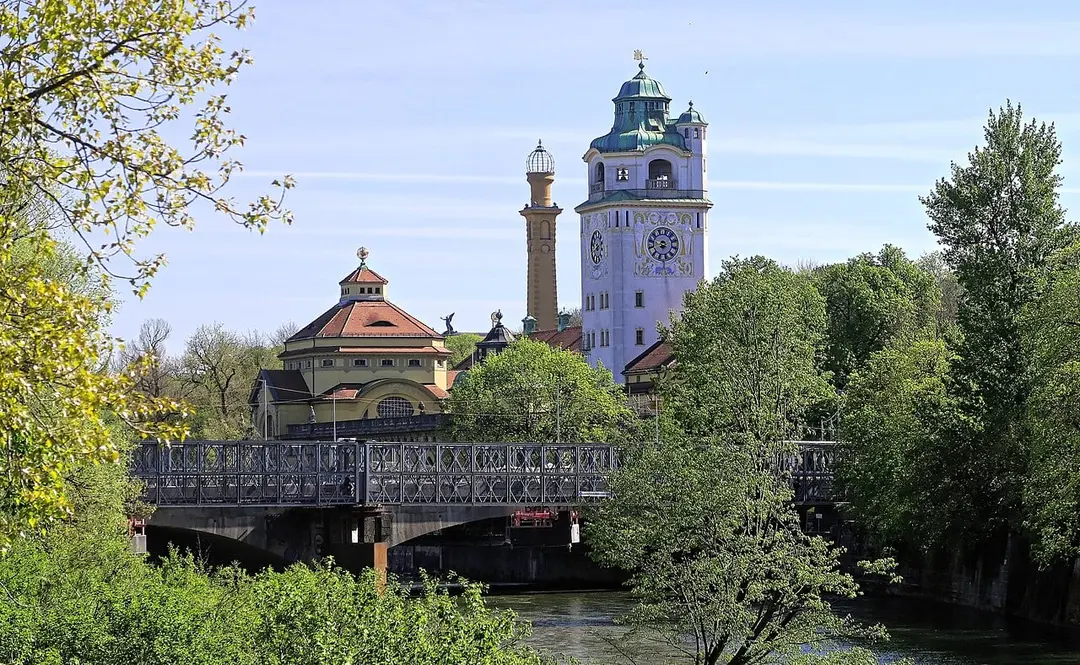
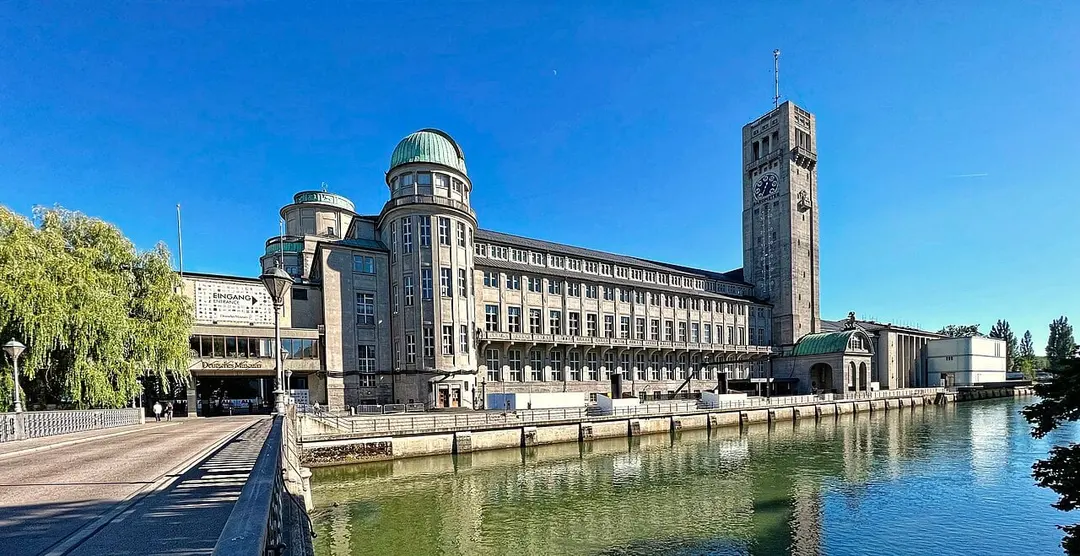
The Deutsches Museum on Munich's Museumsinsel is the largest science and technology museum in the world, with around 73,000 exhibits spread across 80,000 square meters. Founded in 1903 by Oskar von Miller — a pioneer of Germany's electrical industry — it opened in its current building on an artificial island in the Isar river in 1925, a late-Historicist complex that has itself become part of Munich's architectural fabric. Among its highlights are Carl Benz's original Patent-Motorwagen, a full-scale reconstruction of a coal mine, and one of Germany's oldest still-operational planetariums. The museum suffered heavy bomb damage in World War II and was gradually rebuilt through the 1950s and 60s; a major renovation programme currently underway is modernising several wings. With 80 departments ranging from aeronautics to nanotechnology, a single day barely covers a fraction of the collection — interactive stations in physics and chemistry make it particularly engaging for families and school groups.
On the Isar's Museumsinsel — 28,000 objects from Galileo's pendulum to a U-boat — one of the world's largest science museums.
Sign in to rate this place.
Sign in