Altona Fish Market
Hamburg
architectureculturehistory+7
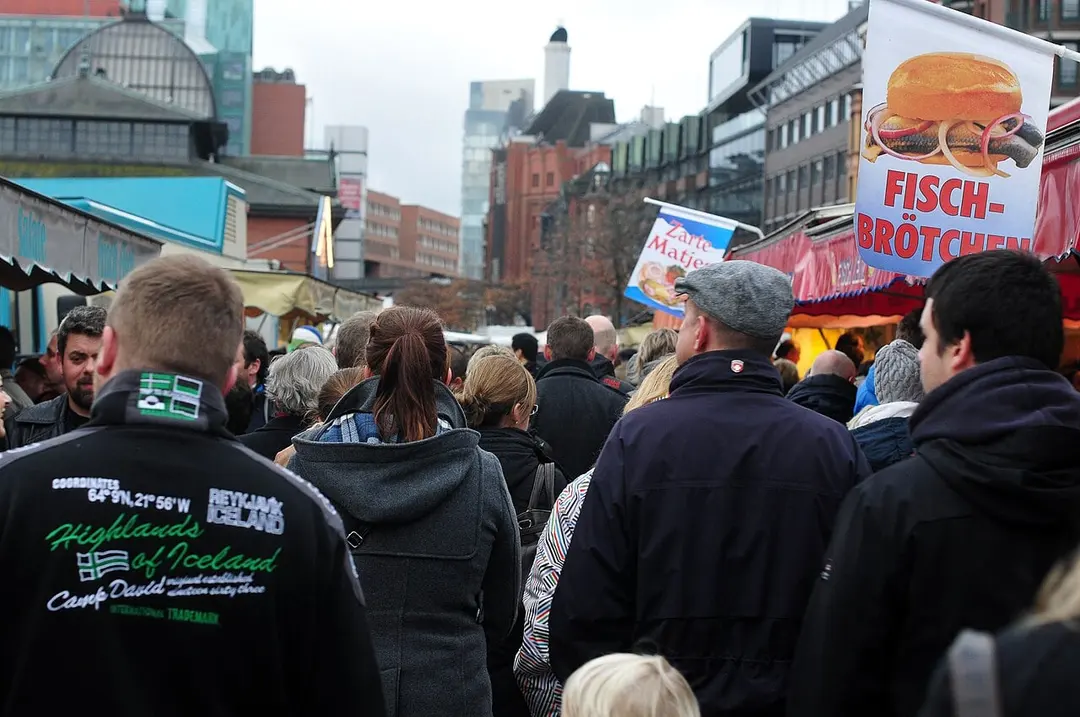
Sundays 5–9:30 — fish, eel, hollering hawkers, followed by breakfast in the old auction hall.
nature
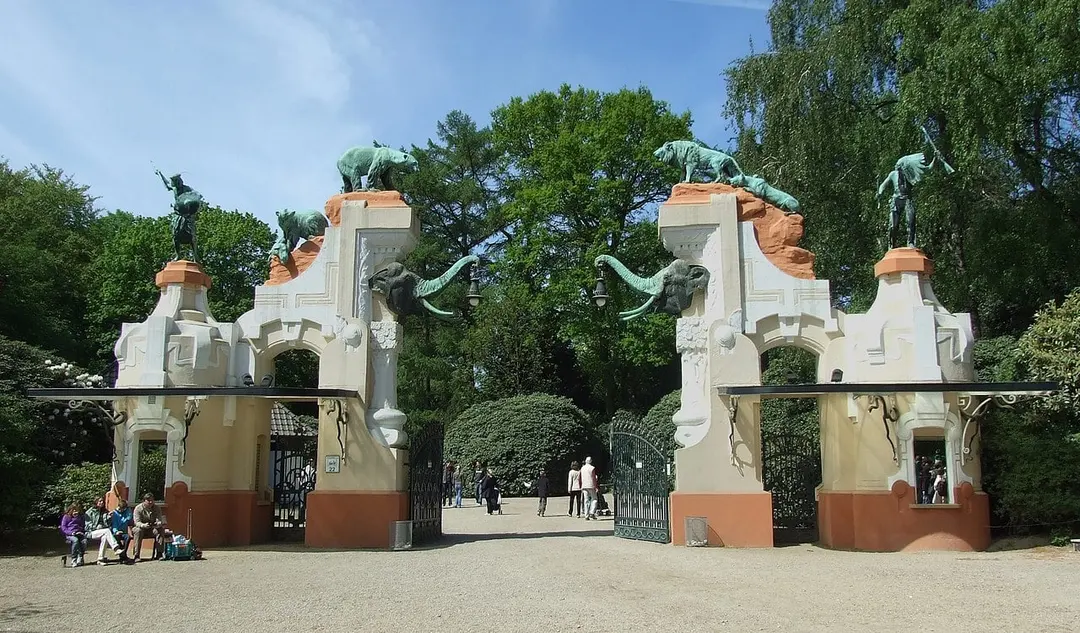
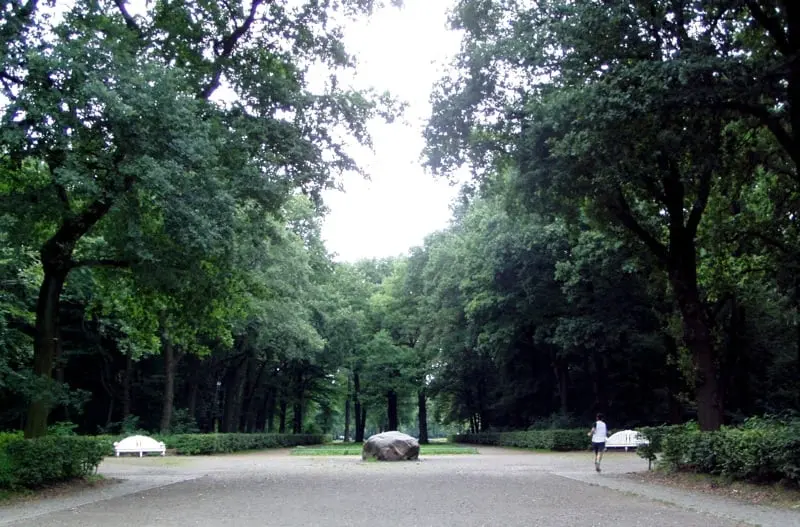
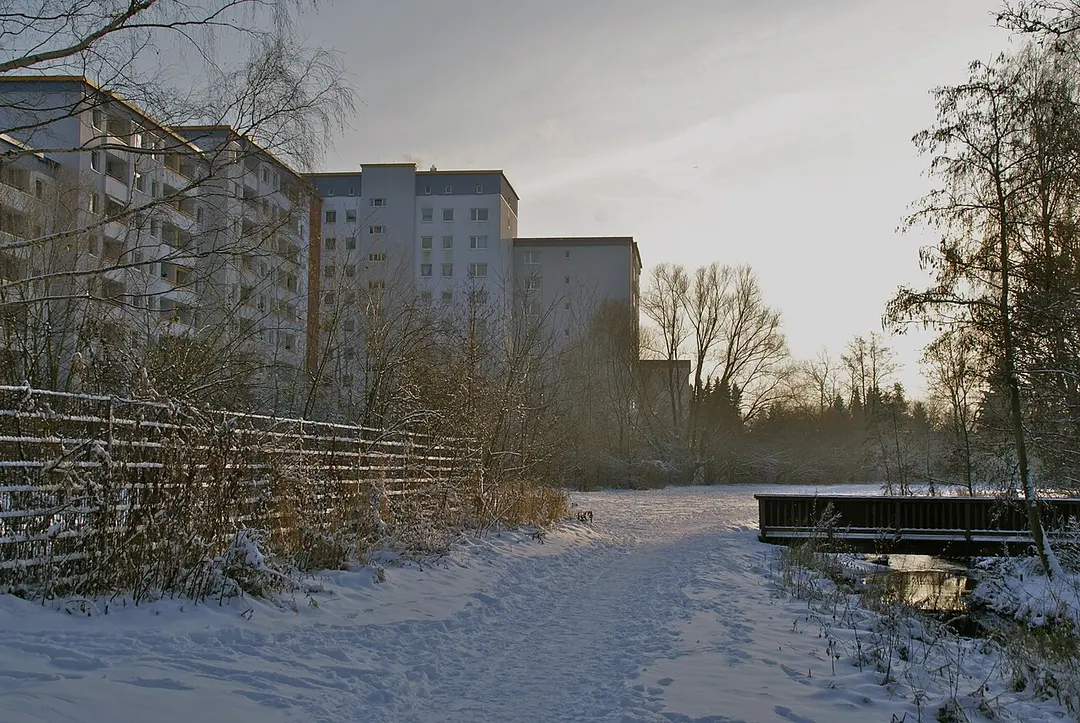
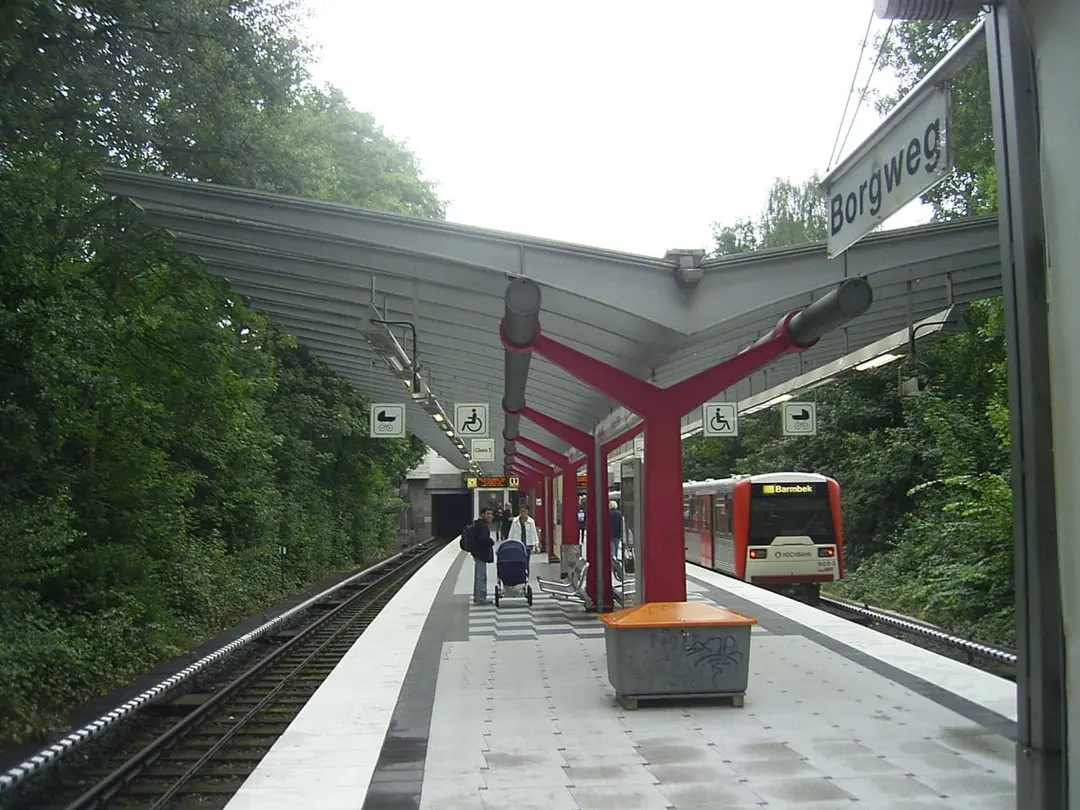
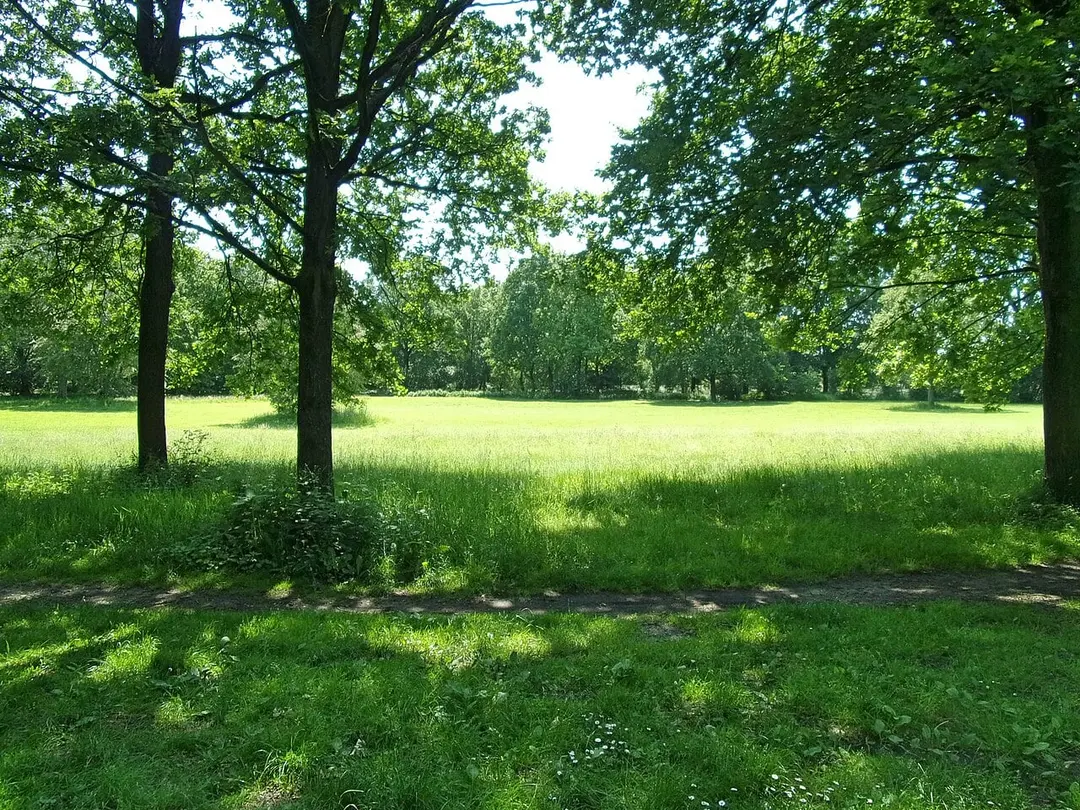
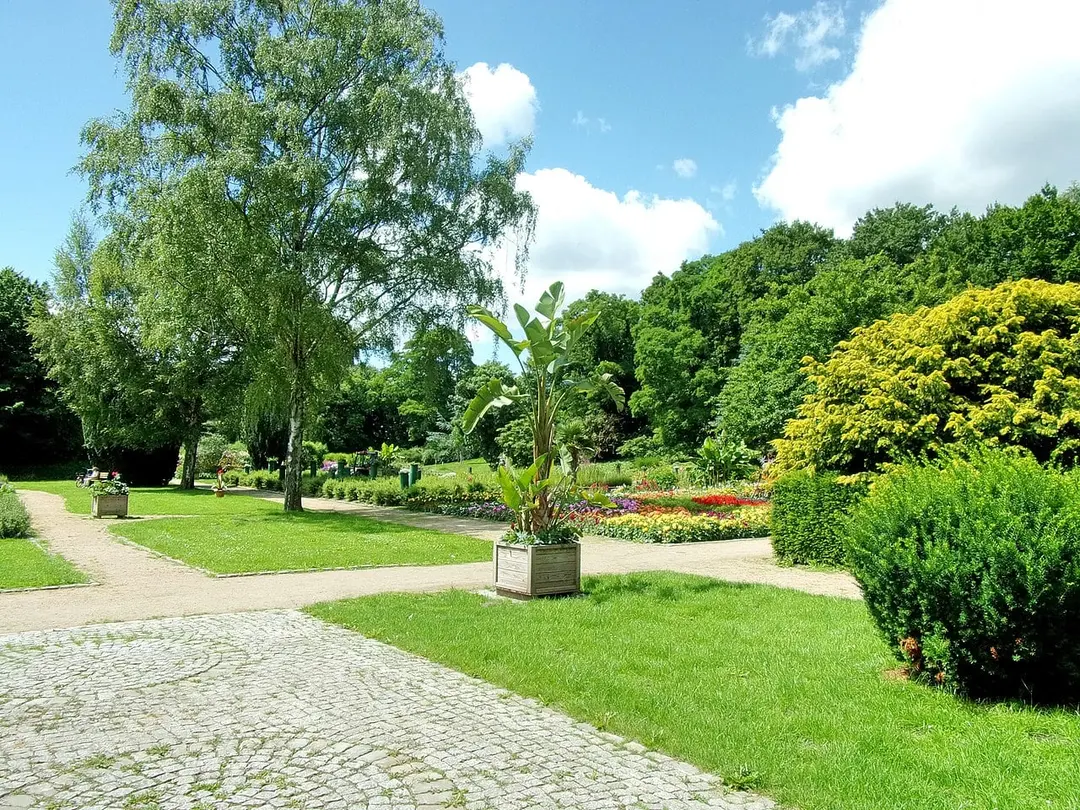
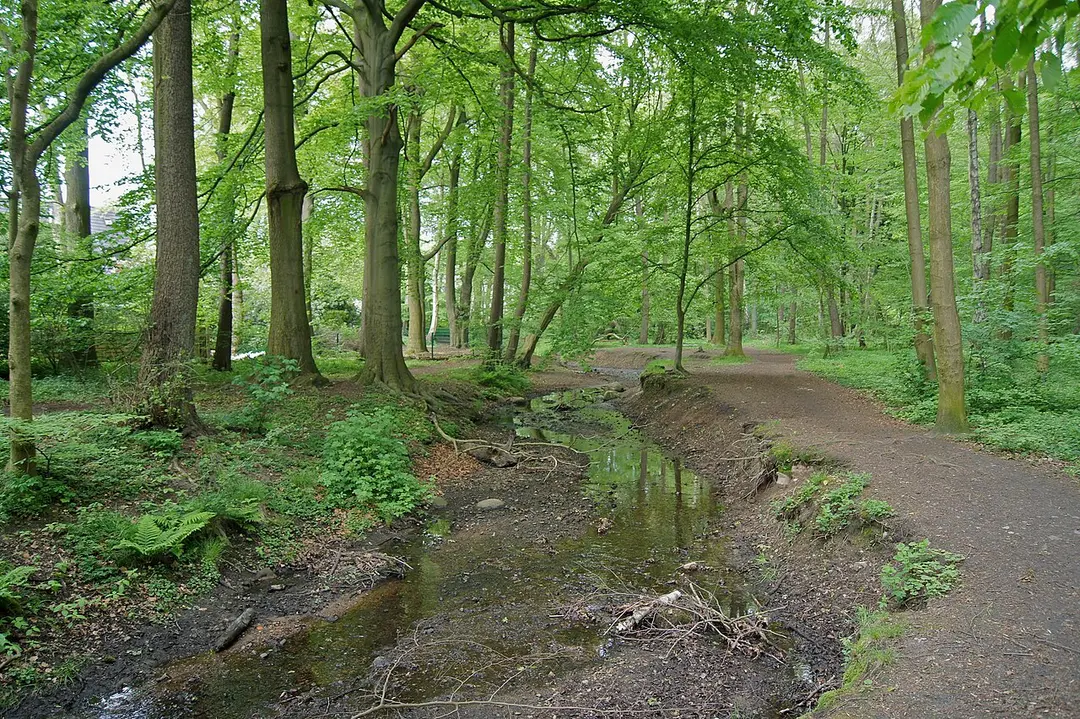
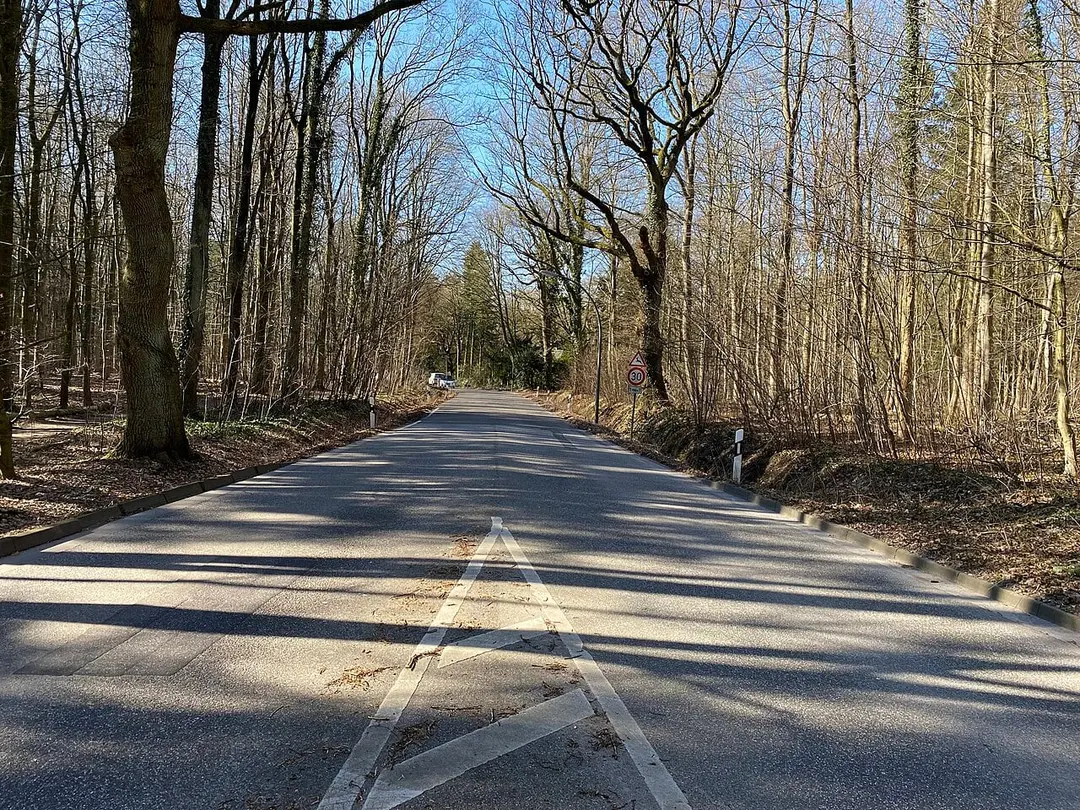
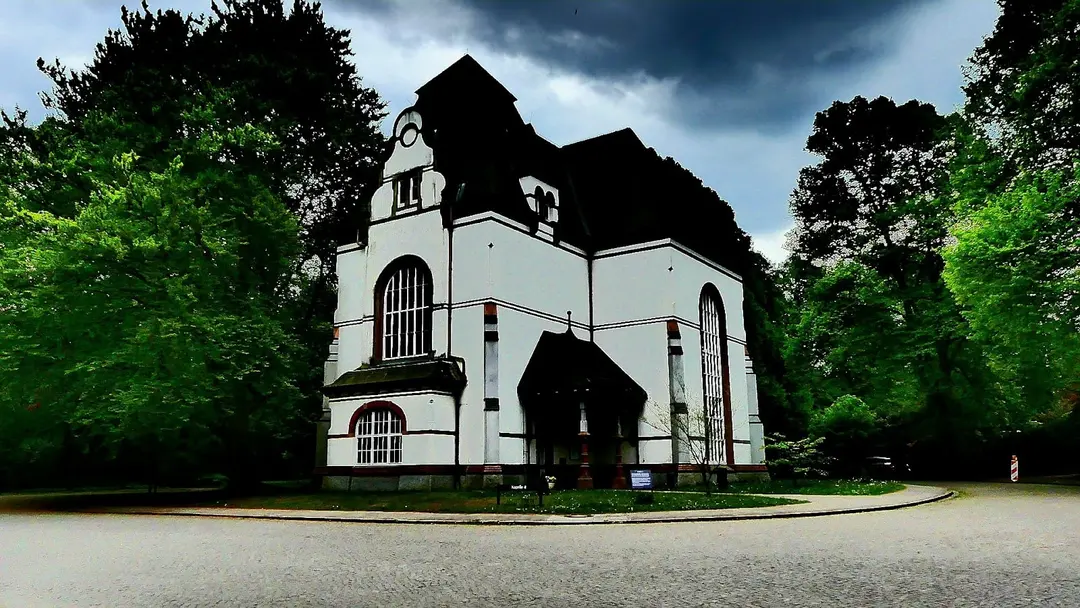
Hamburg has more green space than many visitors expect. The Stadtpark and Altona Volkspark offer large open areas for walking and relaxing, with Borgweg providing a leafy approach to the Stadtpark. Ohlsdorf Cemetery is one of Europe's largest park cemeteries, with sweeping lawns and old trees. Tierpark Hagenbeck blends animal habitats with open parkland. The Berner Au, a small stream winding through the city's east, and Born Park add to Hamburg's network of natural spaces. Beyond the city limits, Ahrensburg Castle and the rural districts of Amt Berkenthin, Amt Büchen, and Amt Geest und Marsch Südholstein bring a quieter, more pastoral character. The Altona Fish Market sits where the city meets the Elbe.
29 places · Hamburg, Germany · Editorially curated
Hamburg
Sundays 5–9:30 — fish, eel, hollering hawkers, followed by breakfast in the old auction hall.
Hamburg
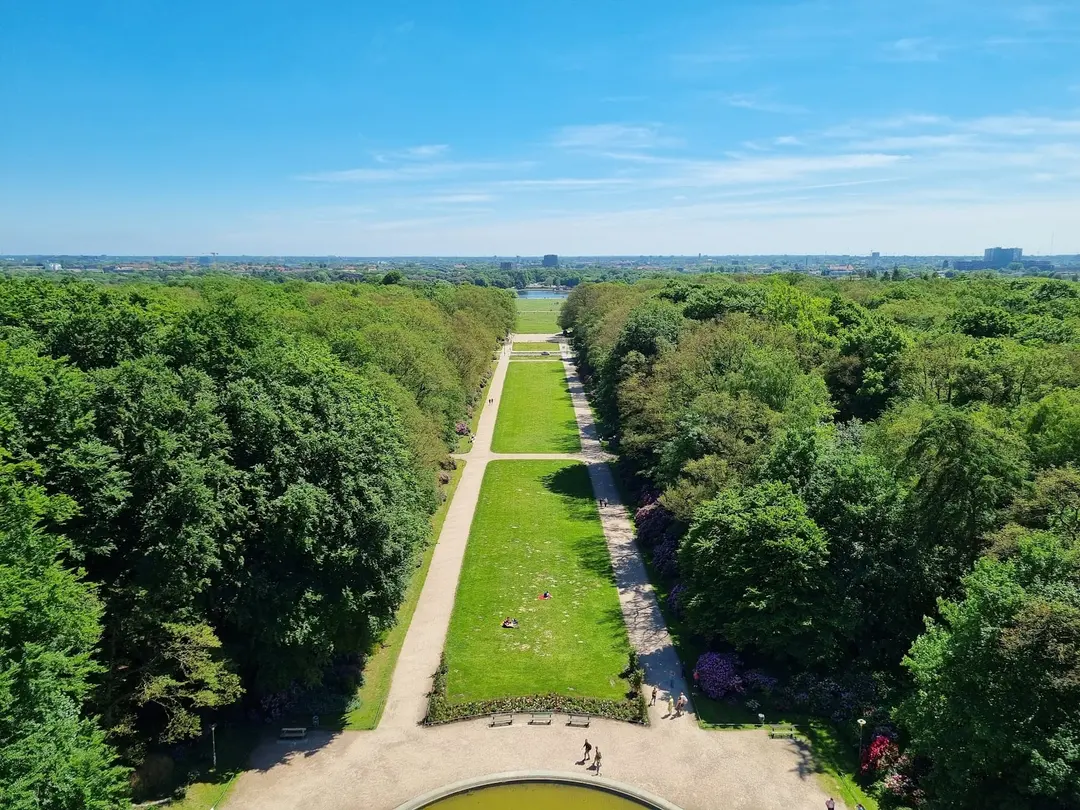
Designed as a 1914 people's park — summer open-air concerts, the Planetarium and an awful lot of Hamburgers with grills and blankets.
Hamburg
389 hectares of park-cemetery since 1877 — mausoleums, ponds, sculptures, bus lines crossing through — unusually peaceful.
Hamburg

Hamburg
Western Hamburg district with nested captain's houses on steep stairs, Strand Promenade by Süllberg and Elbe views.
Hamburg
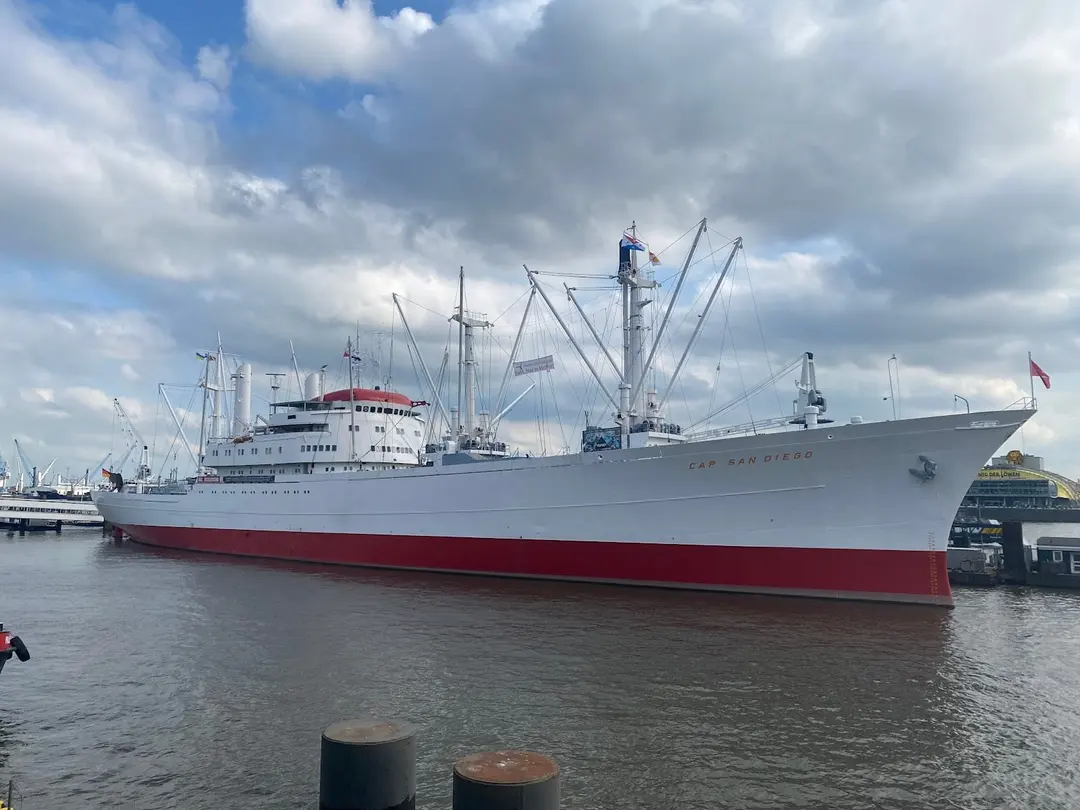
Floating piers with U- and S-Bahn stops, harbor tours, the tide gauge and souvenir kiosks.
Hamburg
Hamburg
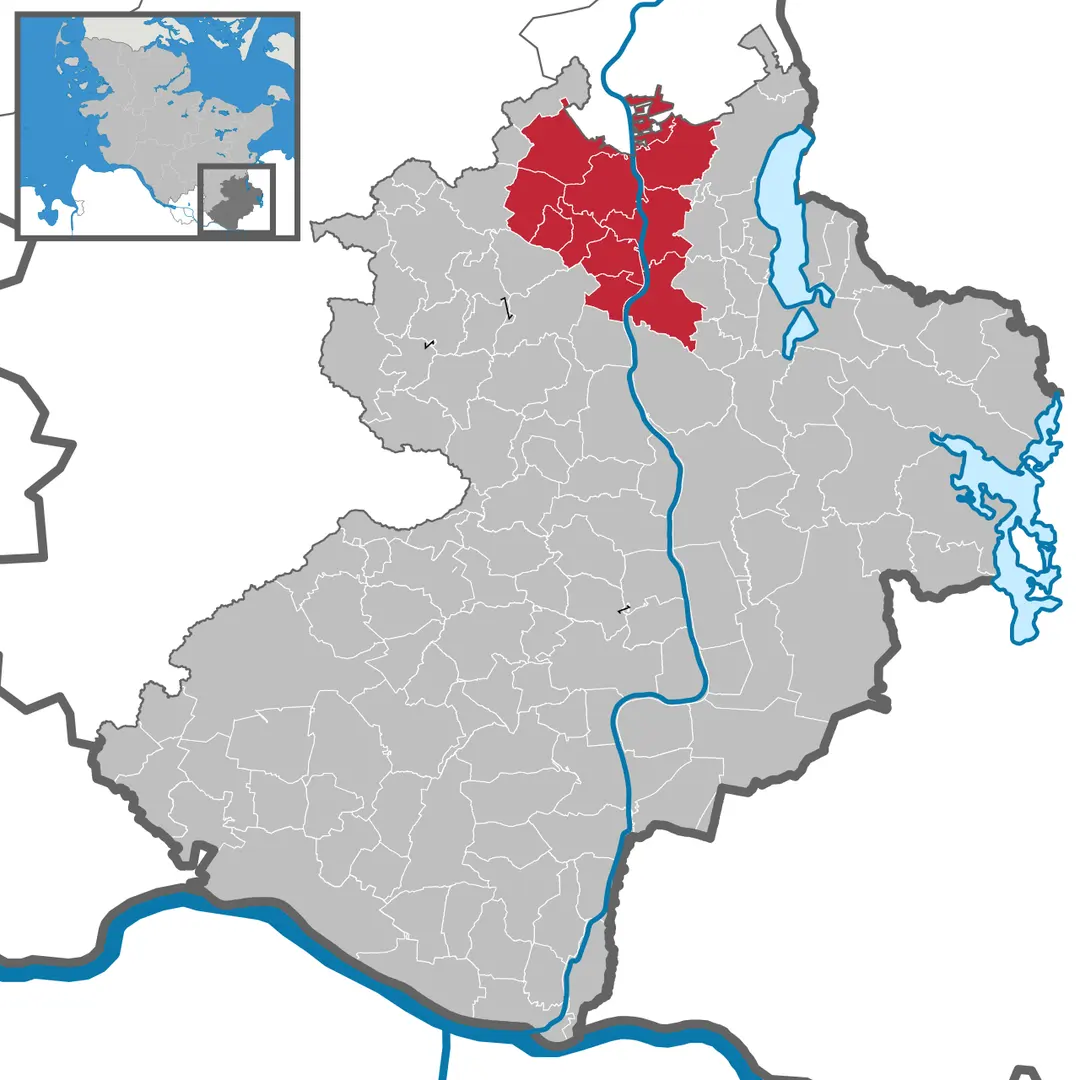
Amt Berkenthin is an administrative community in the Duchy of Lauenburg district in Schleswig-Holstein, northern Germany. It comprises ten municipalities, with Berkenthin as its administrative seat. The area lies south of Lübeck in the rural rolling countryside of Schleswig-Holstein. Characterised by farmland, small lakes, and open fields, Amt Berkenthin represents the quiet, little-visited hinterland between Hamburg and Lübeck.
Hamburg
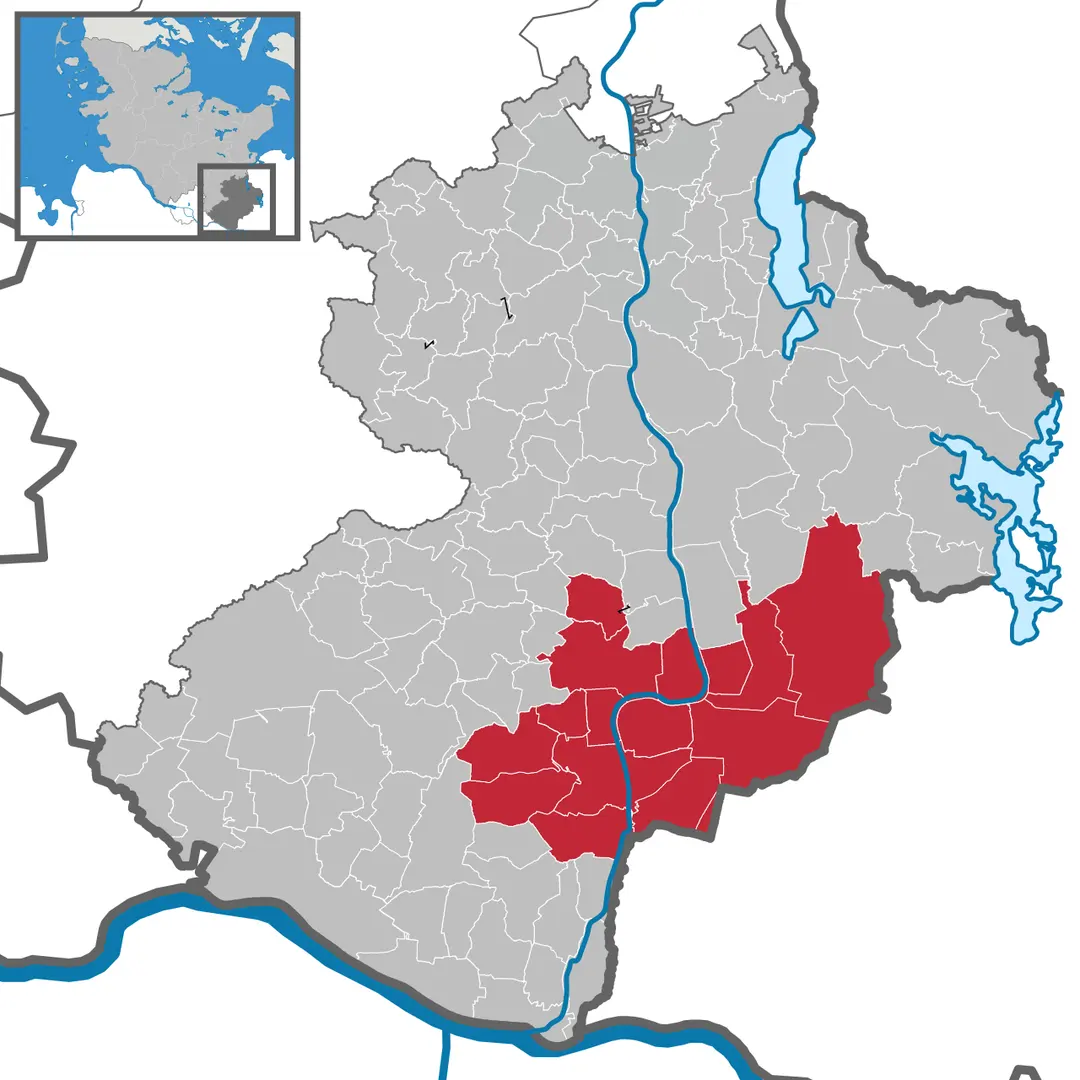
Amt Büchen is an administrative amalgamation in the Lauenburg district of Schleswig-Holstein, centred on the municipality of Büchen. The area lies in the north German lowlands east of Hamburg, characterised by farmland, small villages, and the nearby Elbe-Lübeck Canal. Büchen itself is a notable railway junction on the Hamburg–Lübeck line. The Amt has no major tourist attractions but offers a representative picture of quiet north German flatland communities.
Hamburg
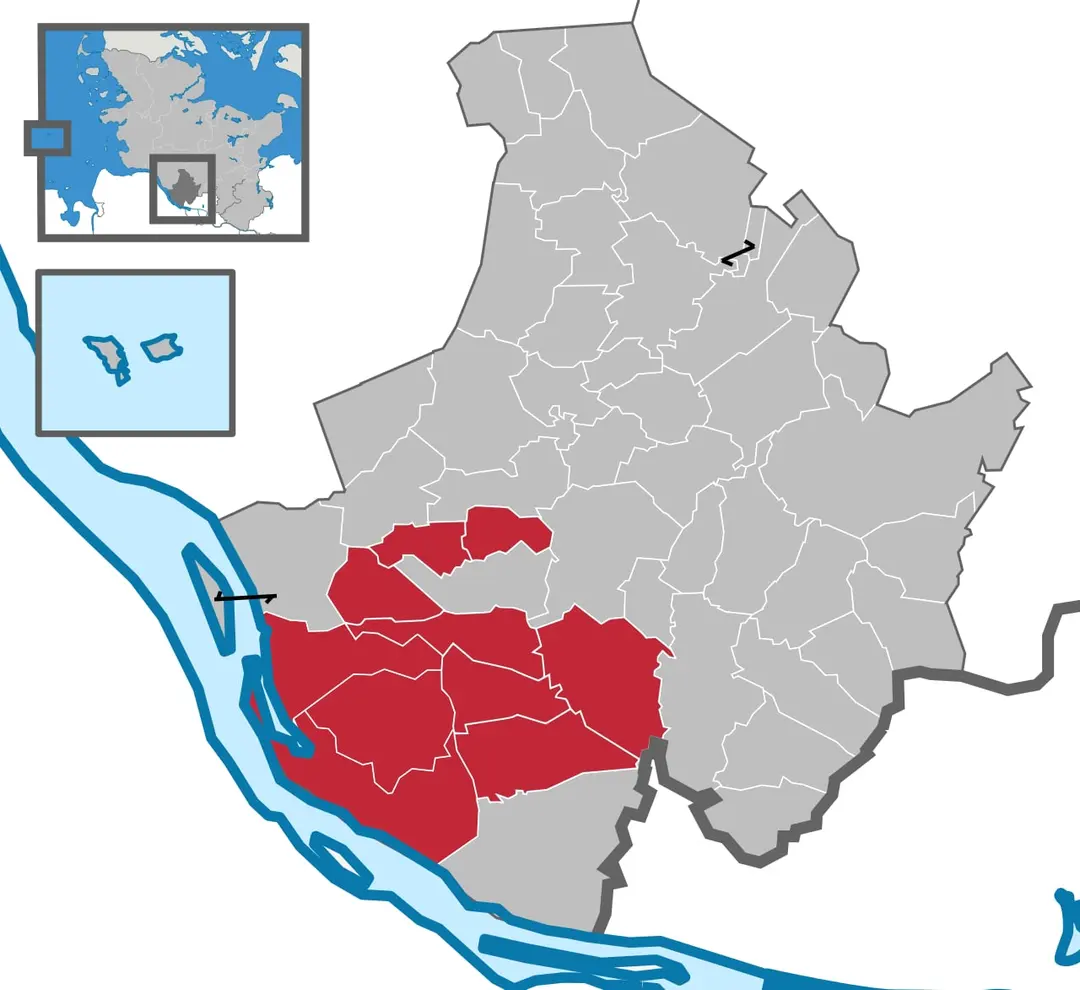
Amt Geest und Marsch Südholstein is an administrative district in the western part of Pinneberg, Schleswig-Holstein. It brings together several communities across the flat marshland and geest landscape of southern Holstein. The administrative seat is the municipality of Heist. The area reflects the open, rural character of northern Germany — wide pastures, farms, and the understated calm of the Pinneberg countryside.
Hamburg
Hamburg
Hamburg
Hamburg
Hamburg
Hamburg
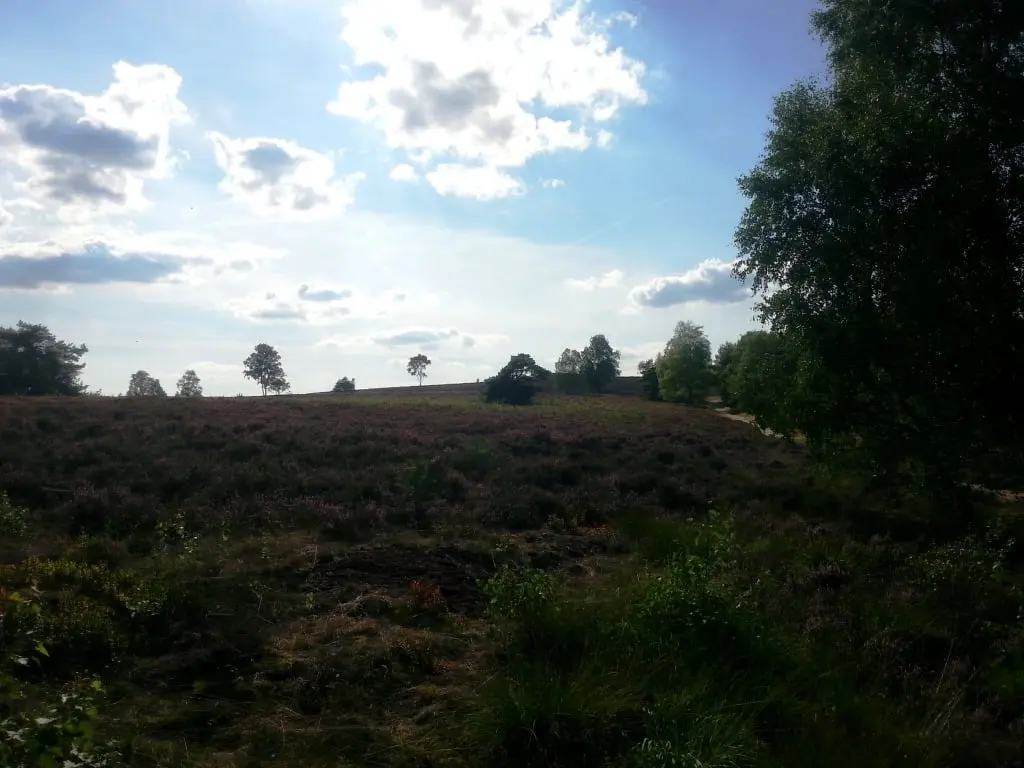
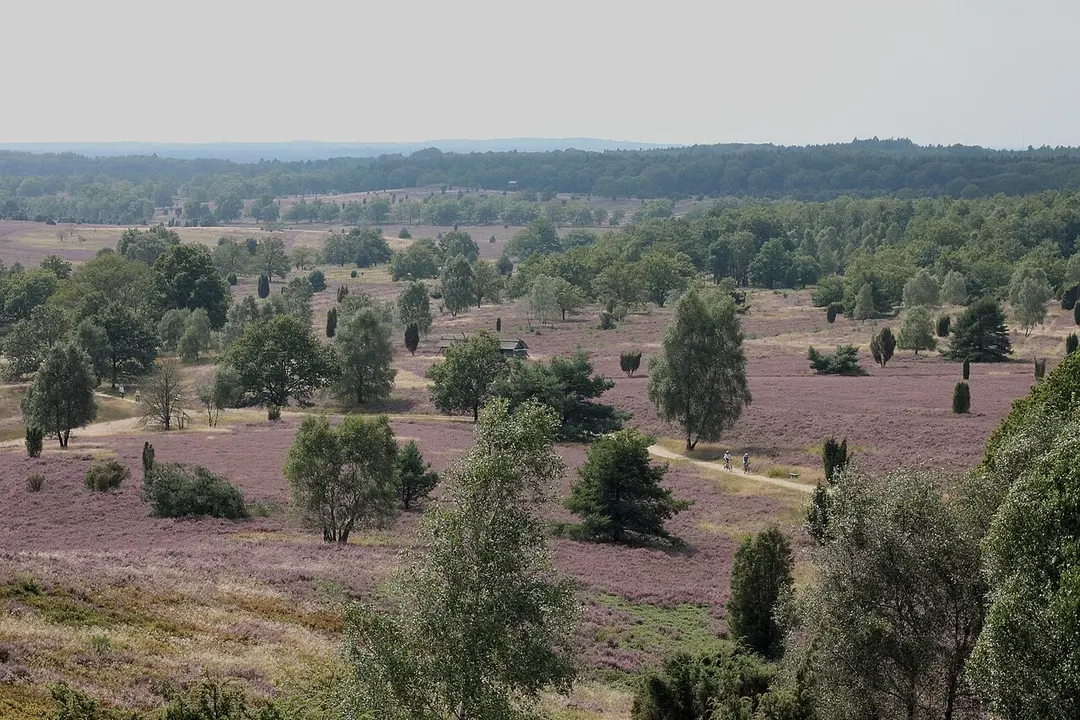
The Brunsberg, at around 129 metres, is one of the most prominent hills on the northwestern edge of the Lüneburg Heath, near Buchholz in der Nordheide and Tostedt. It sits within the Brunsberg Nature Reserve (approximately 60 hectares), established to protect the characteristic heath and woodland landscape. The summit offers views across the North German Plain. Walking and cycling trails criss-cross the area; in late summer the heather blooms purple, making it a popular day-trip destination.
Hamburg
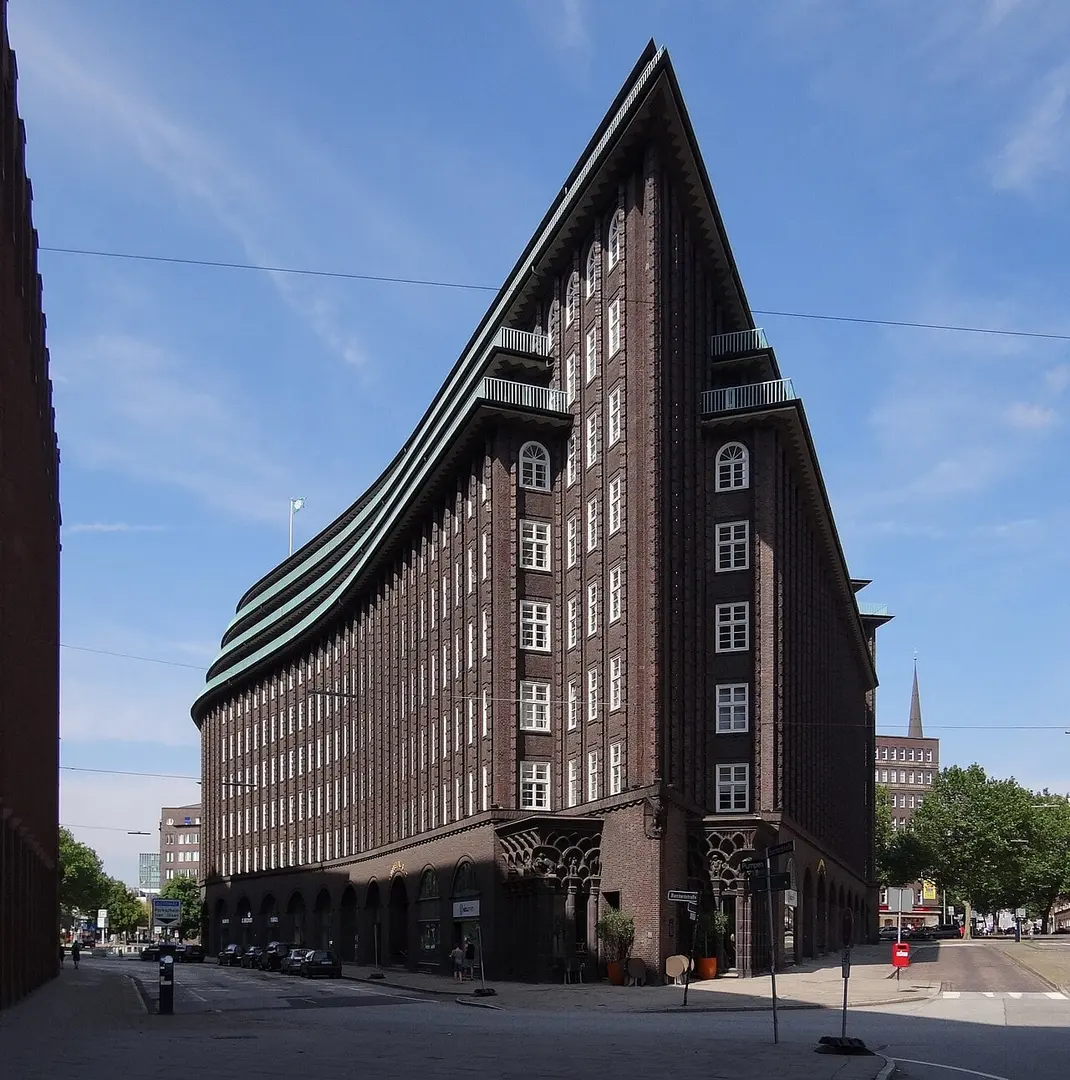
Fritz Höger's 1924 office building shaped like a ship's bow, 4.8 million bricks — UNESCO heritage.
Hamburg
Hamburg
Gossler Park is a public park in the Hamburg district of Blankenese, north of Blankeneser Landstrasse near Blankenese station. The park is named after the Gossler Hanseatic banking family, one of Hamburg's most influential merchant families in the 19th century. Listed as a cultural monument in Hamburg, it reflects the villa landscape of Blankenese, which developed as an exclusive residential area on the Elbe during the 19th century. Well-preserved trees and its peaceful, well-kept atmosphere make the park a popular local recreational area in the prestigious Elbvororte region.
Hamburg
The Lüneburg Heath Nature Reserve in Lower Saxony is one of the oldest and largest nature reserves in Germany, first protected by the Prussian government in 1921. It stretches across the districts of Harburg and Soltau-Fallingbostel. The heath is celebrated above all for its August bloom, when vast swathes of heather turn a vivid purple. Beyond hiking and cycling through the open landscape, the reserve is home to rare flora and fauna.
Hamburg
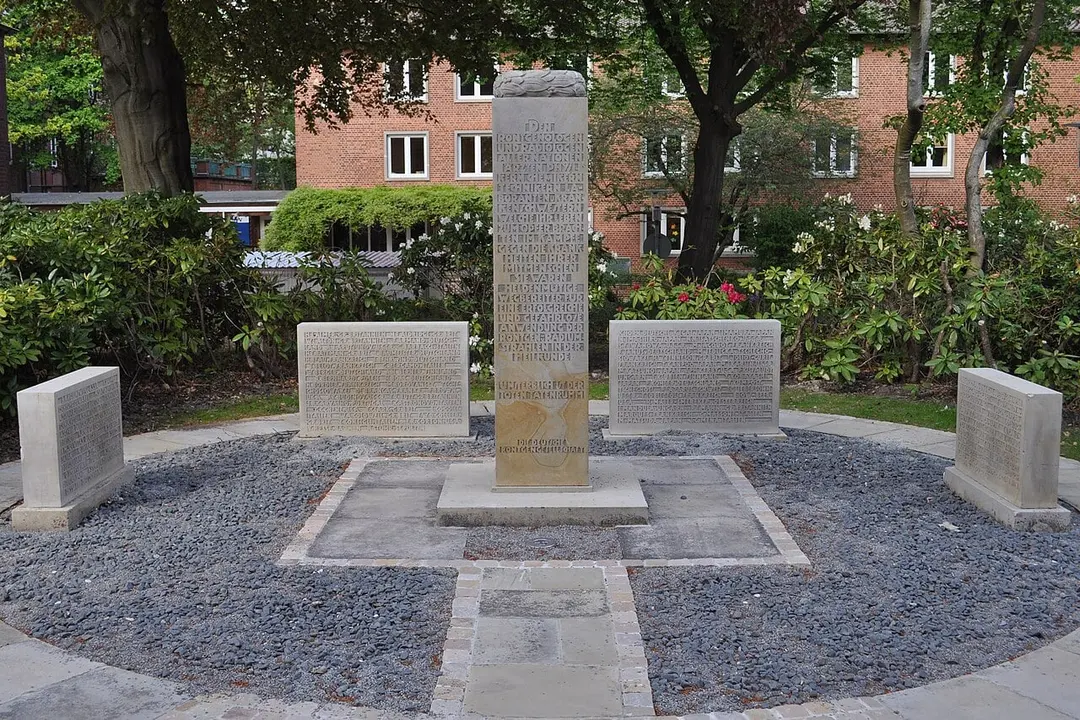
The Monument to the X-Ray and Radium Martyrs in the garden of Hamburg's St. Georg Hospital is the only memorial in the world dedicated exclusively to those who died from early medical use of X-rays and radium. Unveiled on 4 April 1936 by the Deutsche Röntgengesellschaft, it bears the names of physicians and researchers from several countries who died as a result of their work with ionizing radiation — before its dangers were fully understood. The memorial's plaques carry around 170 names. The earliest victims died in the 1900s from chronic radiation damage to hands, arms, and internal organs, having worked for years without protection since the hazard was initially underestimated. The monument stands on hospital grounds and is publicly accessible. It is a quiet, little-known memorial to the cost of scientific pioneering.
Hamburg
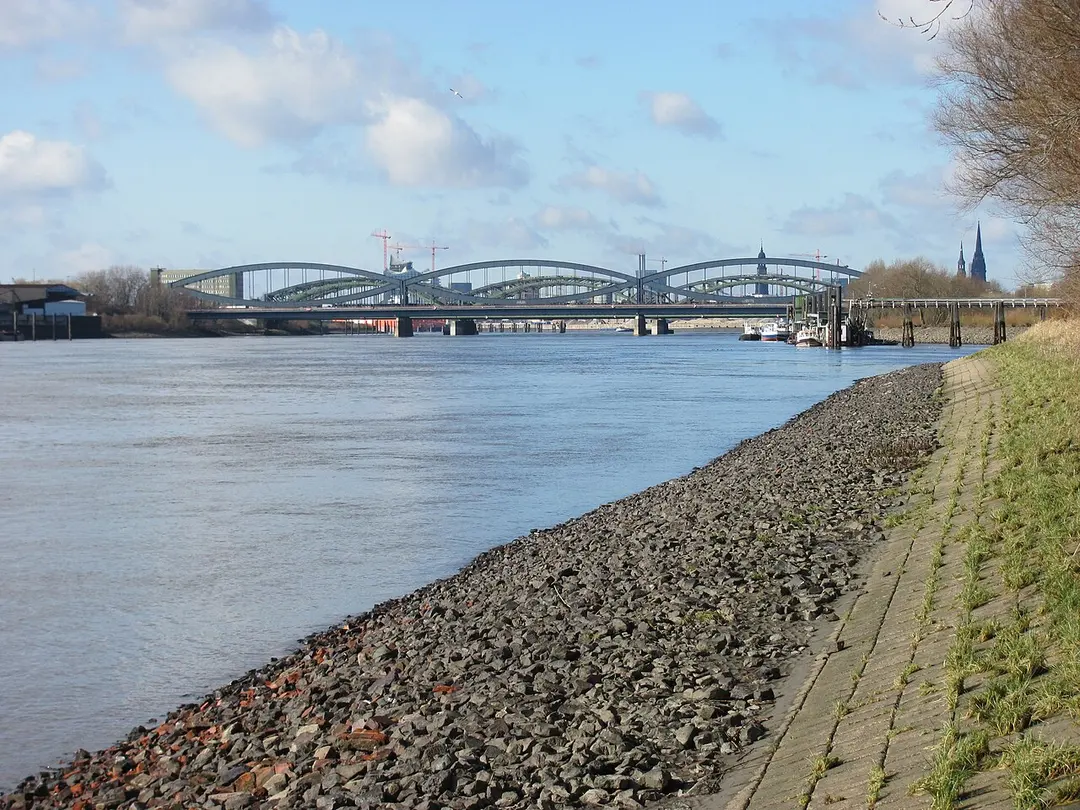
The Norderelbe is the northern main branch of the Lower Elbe in Hamburg, running between river kilometers 609 and 626. Together with the Süderelbe and the Köhlbrand, it forms an inland delta enclosing the Elbe island of Wilhelmsburg. The waterway is tidal, influenced by North Sea tides, and plays a central role in shaping Hamburg's port. Its banks are lined with industrial facilities, container terminals, and the lively Fish Market quarter.
Hamburg
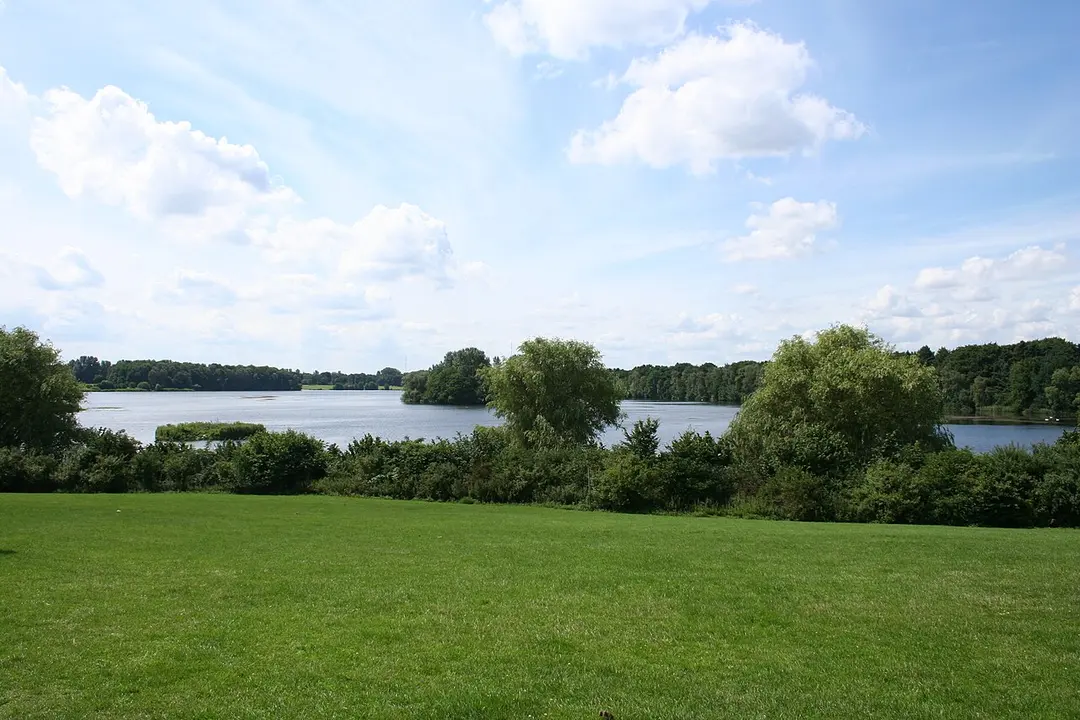
The Öjendorfer See is located in the eastern Hamburg district of Billstedt, nestled within Öjendorfer Park. Covering around 46 hectares, it is designated as a recreational lake with two official bathing spots. The park, with its old trees and meadows, is a popular destination for Hamburg families. In summer, waterside paths and barbecue areas invite visitors to linger.
Hamburg
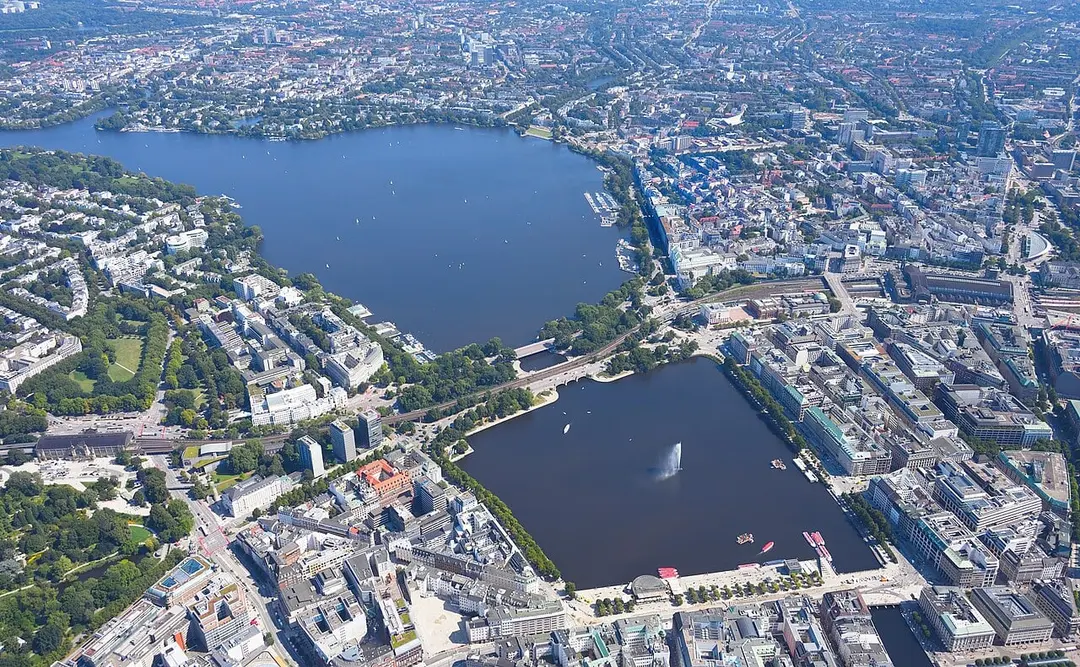
Dammed urban lake with sailing schools and rowboats, plus a 7-km loop walk under century-old lindens.
Hamburg
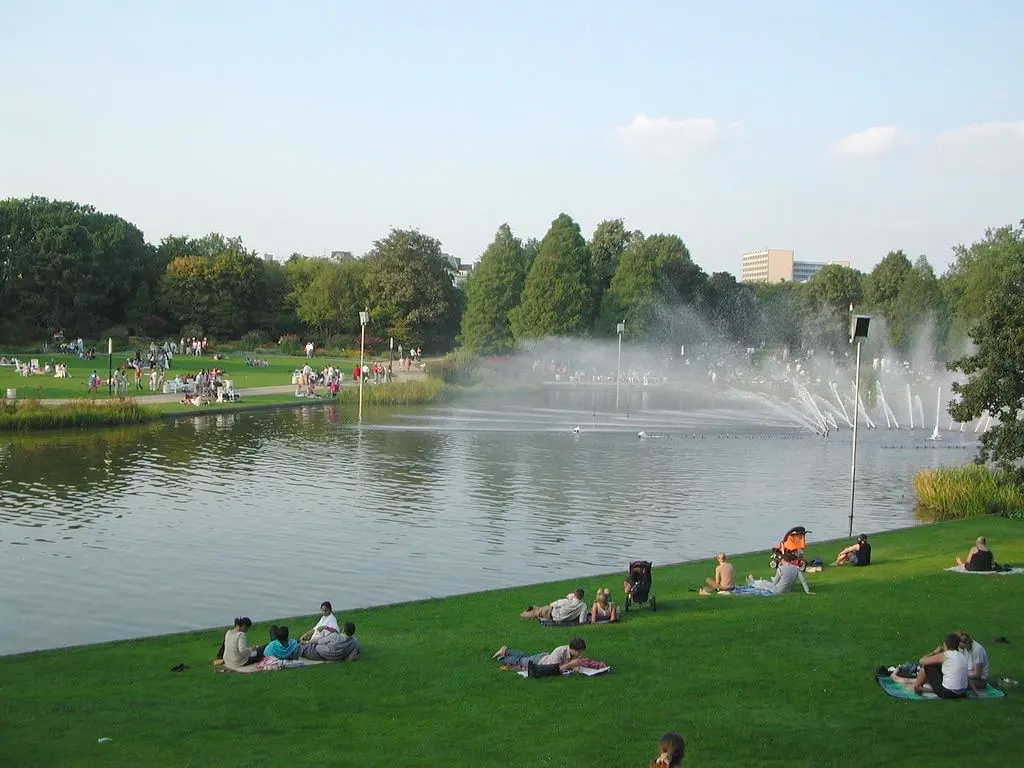
City park hosting Europe's largest Japanese garden and summer water-light concerts on the lake.
Hamburg
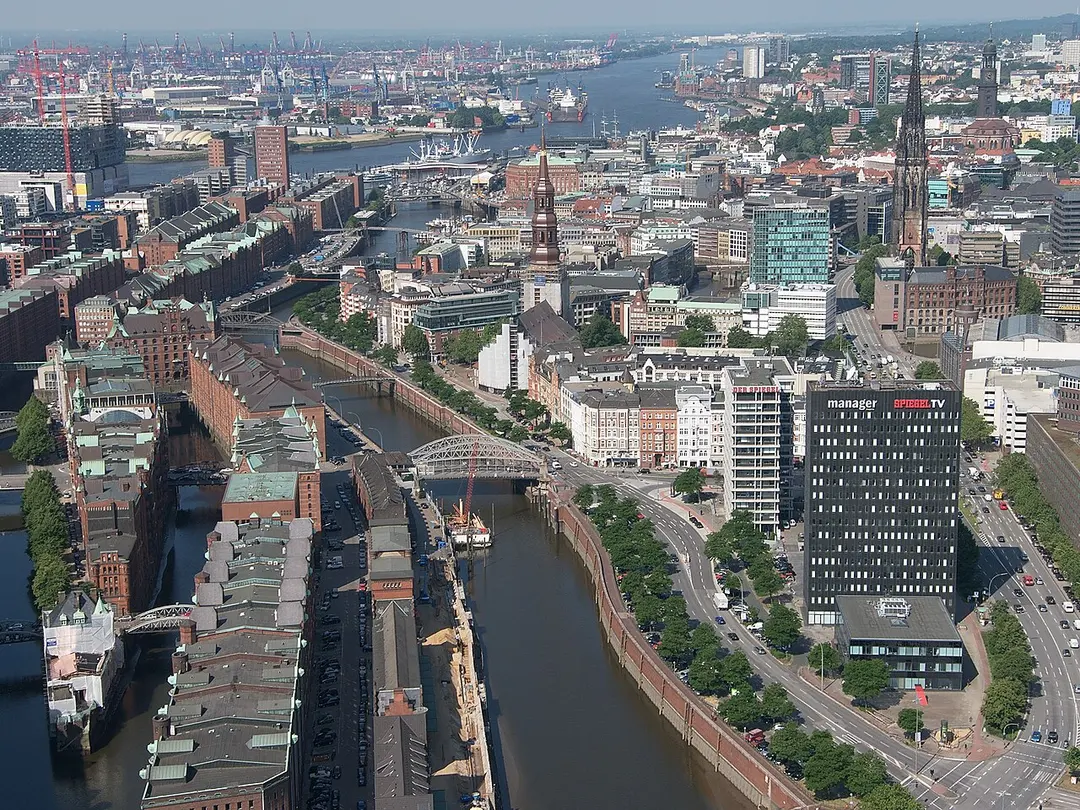
Neo-Gothic warehouse ensemble built on oak piles from 1888 — UNESCO World Heritage with canals and bridges.
Hamburg
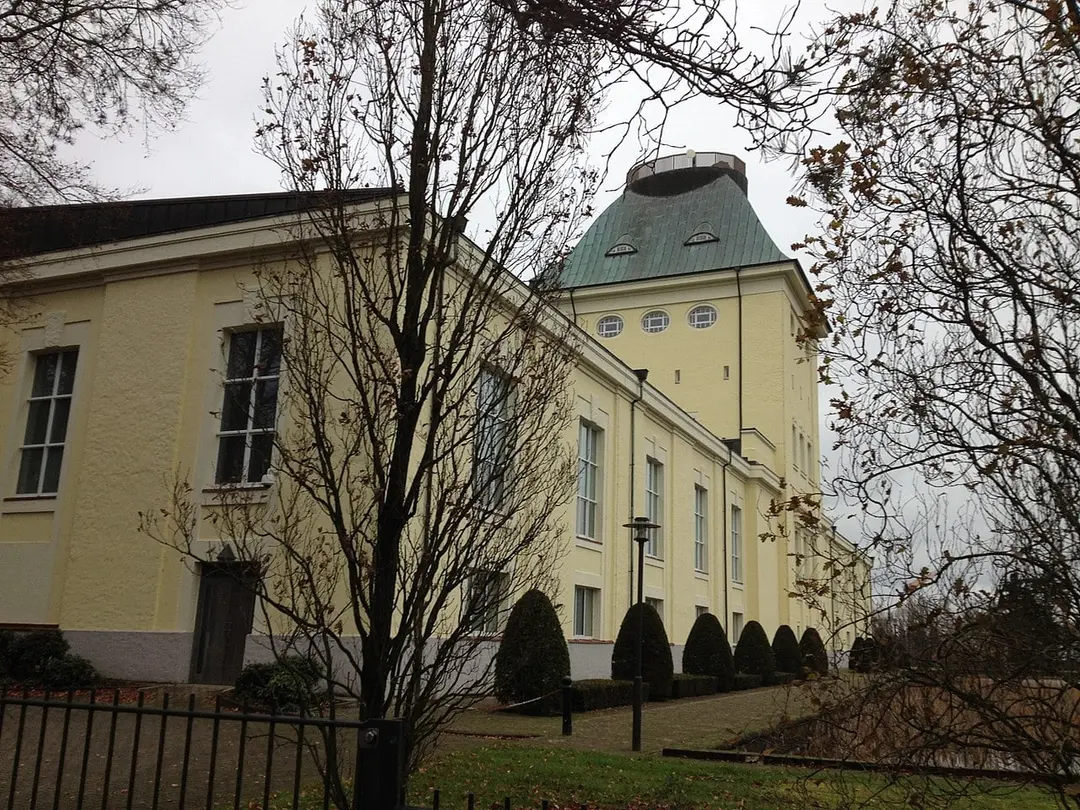
Wellingsbüttel Manor is a nine-axis baroque building from the mid-18th century, located in the Hamburg district of Wellingsbüttel in the borough of Wandsbek. The estate itself has been documented since 1296 and for centuries enjoyed imperial immediacy — meaning it answered directly to the Emperor rather than to any regional lord. Its chain of owners runs from the Archbishops of Bremen through humanist Heinrich Rantzau to the Danish royal family and Hamburg patrician families. The manor house itself, a stately rendered building with a symmetrical facade, was built around 1750. Today it is a listed cultural monument set within the Wellingsbüttel landscape park, which is open to the public and popular as a local recreation area.
Hamburg
The Baursberg in the Hamburg district of Blankenese, at 91.6 m, is the second highest point in the city. On its summit stands the Baursberg Waterworks, built in 1859 and the first filtration plant of its kind in Hamburg. Originally the Elbe's water was treated here; since 1960 only groundwater drawn from depths of up to 320 m has been used. The hill's height is put to clever use: water flows by gravity alone to distant quarters like Othmarschen and even to Schenefeld in Schleswig-Holstein. Since 1990 the wells have been designated Hamburg's first protected water zone.
Hamburg
Hamburg's largest urban forest with a fallow-deer enclosure, autumn mushrooms and 35 km of trails.
Keep exploring
Rate places with a swipe — TravelType learns from your tags what you love and curates your own map. Private until you choose to share.