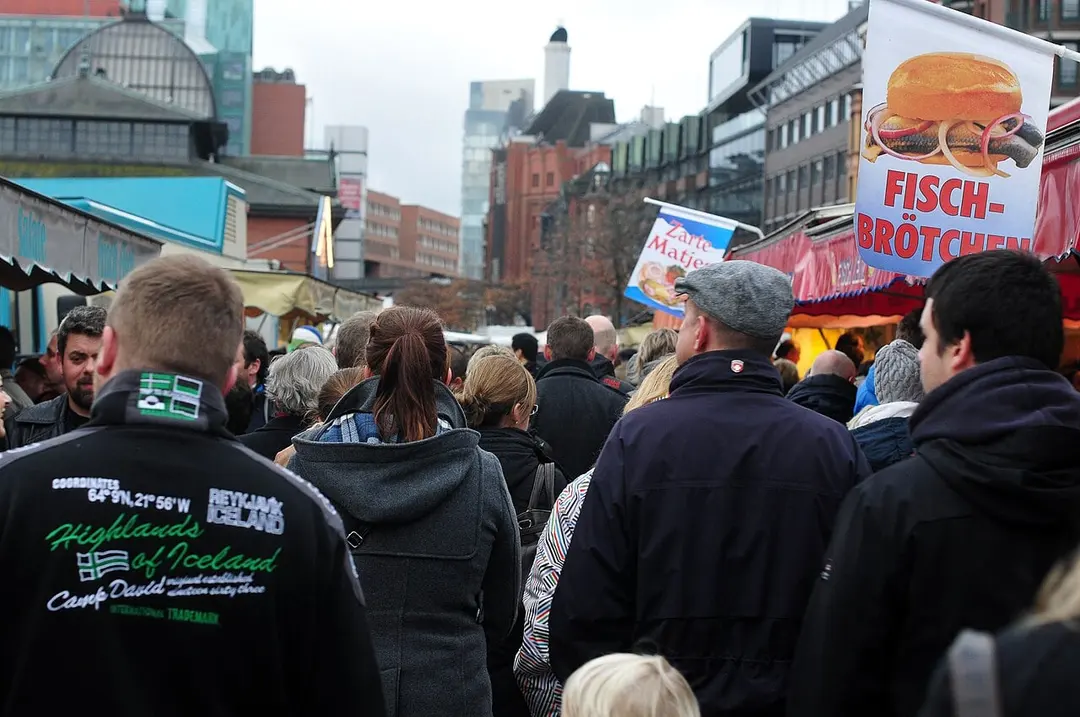
Altona Fish Market
Hamburg
architectureculturenature+7
Sundays 5–9:30 — fish, eel, hollering hawkers, followed by breakfast in the old auction hall.
knowledge
Hamburg rewards curious visitors who look beyond the surface. The Old Elbe Tunnel stands as an early feat of civil engineering, while the Bucerius Kunst Forum hosts changing exhibitions on art history. A walk through Ohlsdorf Cemetery reveals layers of the city's past through its monuments and memorials. St. Katharinen and St. Nicholas Church trace centuries of architectural and urban change. From the Altona Fish Market and Hamburg Stadtpark to Tierpark Hagenbeck, Millerntor Stadium, the City Hall, Mönckebergstrasse, and the Barmbek neighbourhood, each place carries its own story, together painting a fuller picture of the city.
34 places · Hamburg, Germany · Editorially curated
Hamburg
Sundays 5–9:30 — fish, eel, hollering hawkers, followed by breakfast in the old auction hall.
Hamburg
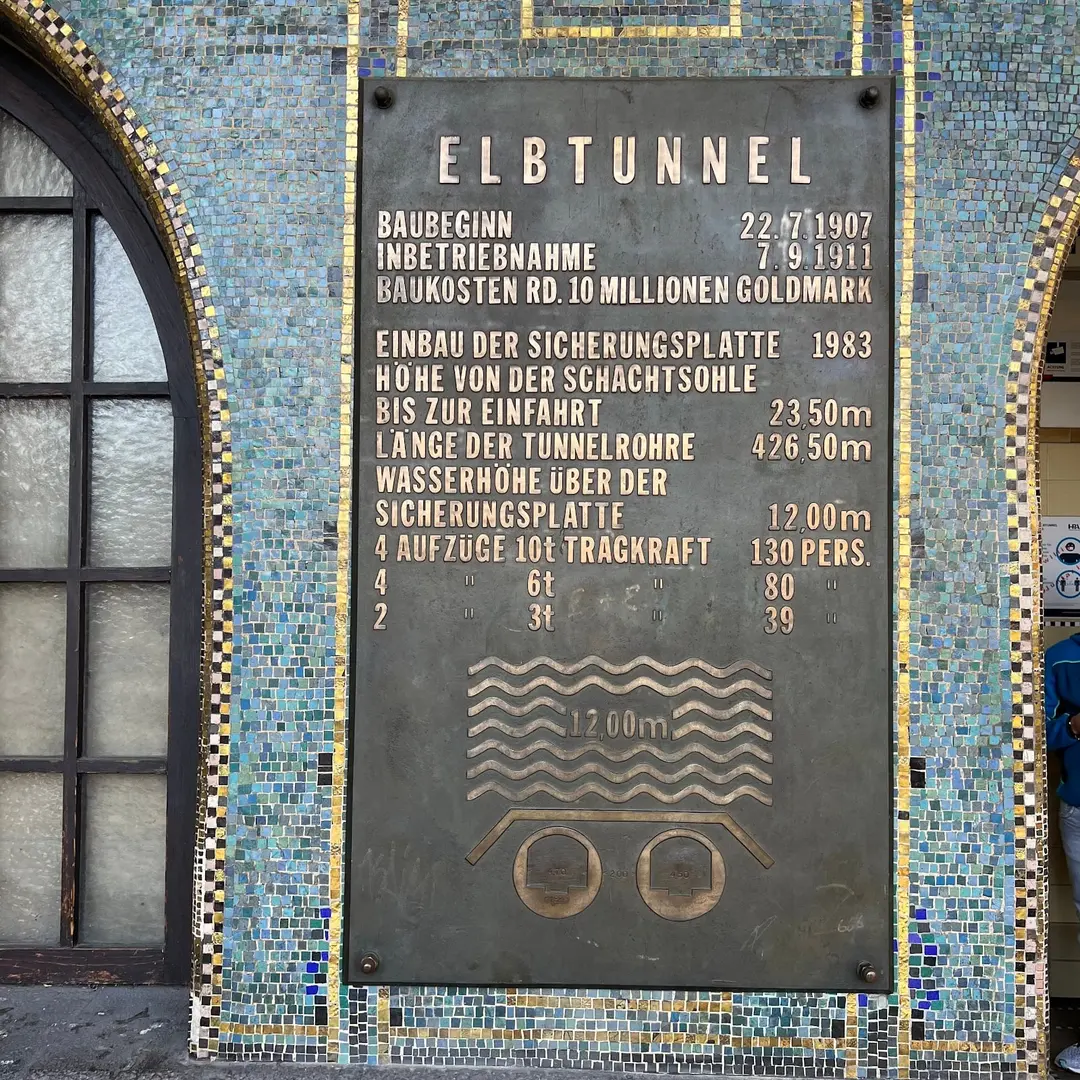
Pedestrian tunnel under the Elbe, 426 m long, with vintage lifts that once carried horses and cars.
Hamburg
Private foundation art space on Rathausmarkt, three to four high-caliber rotating shows a year from antiquity to classical modernism.
Hamburg
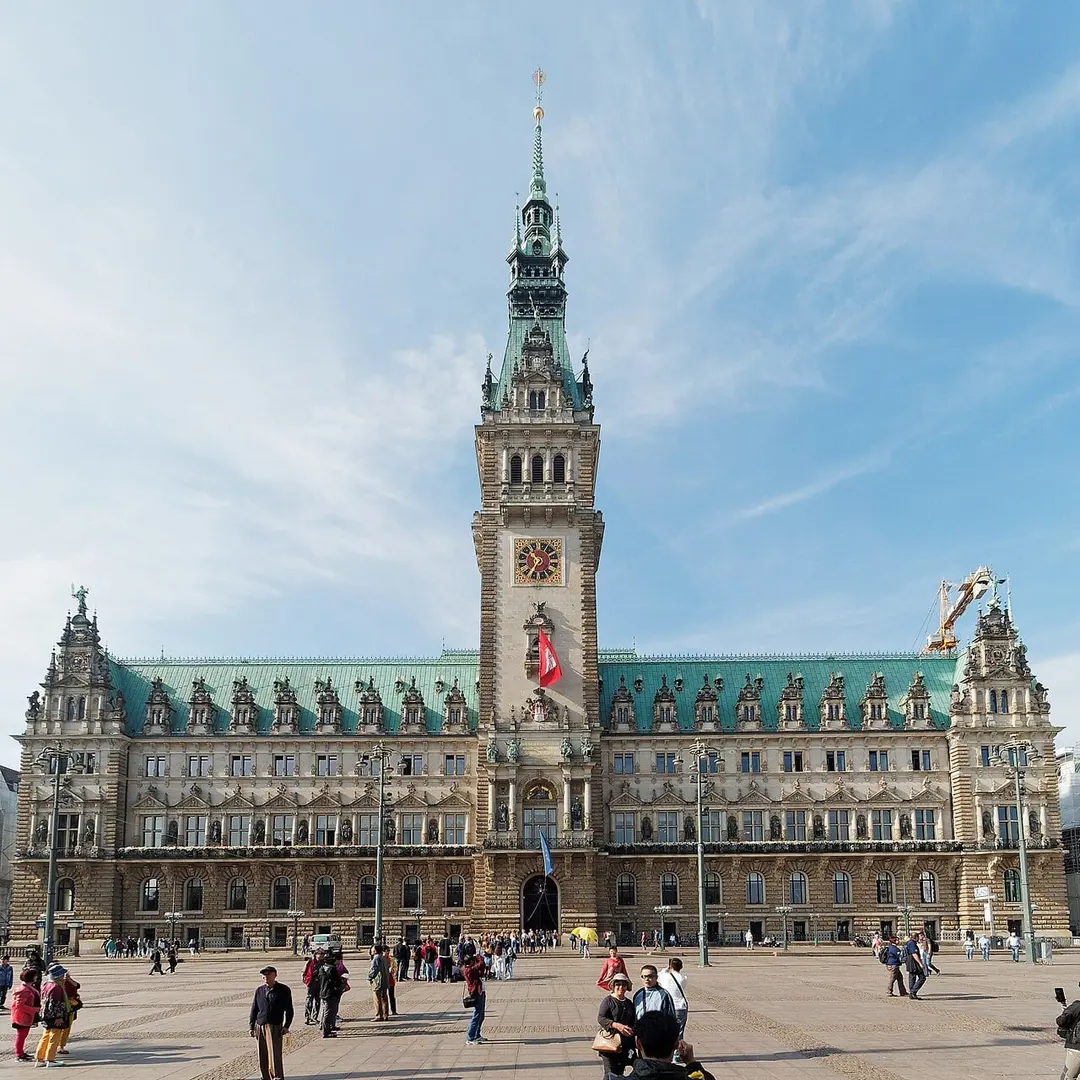
1897 sandstone palace with 647 rooms, seat of the Hamburg senate and parliament.
Hamburg
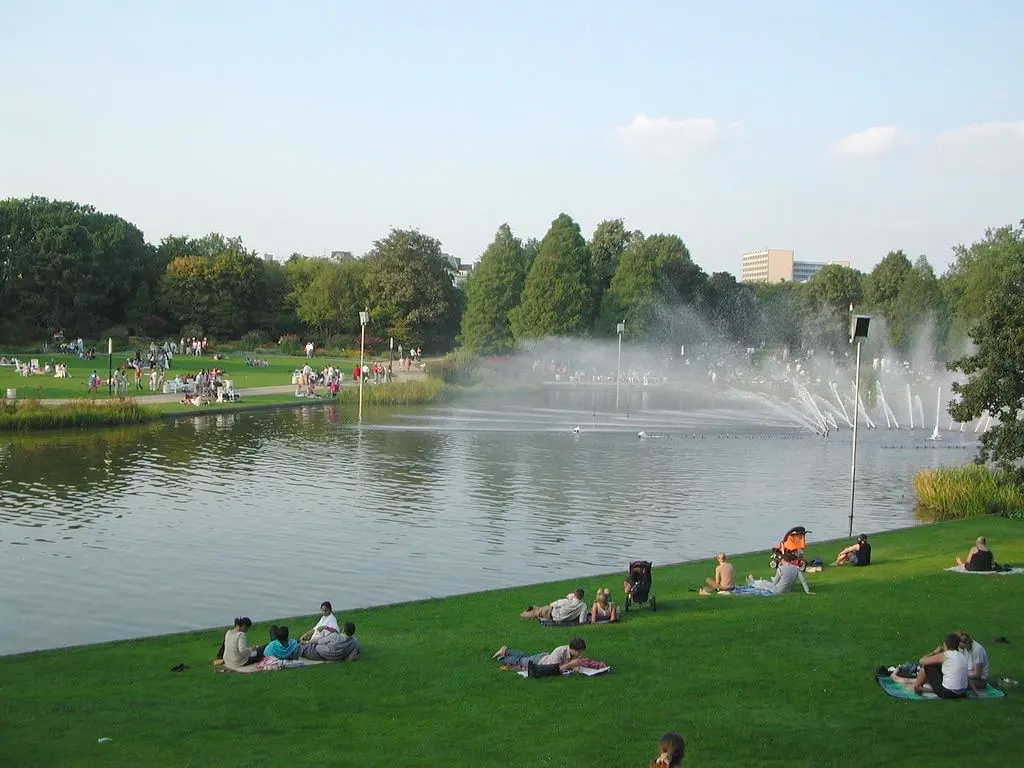
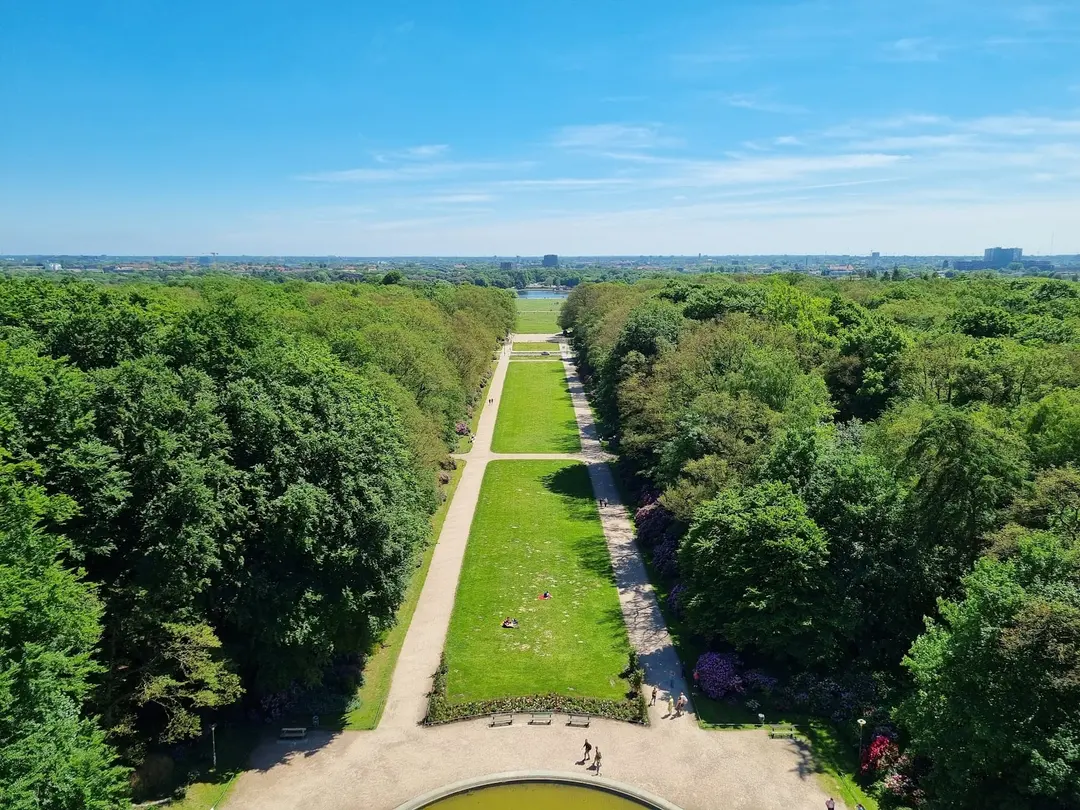
Designed as a 1914 people's park — summer open-air concerts, the Planetarium and an awful lot of Hamburgers with grills and blankets.
Hamburg
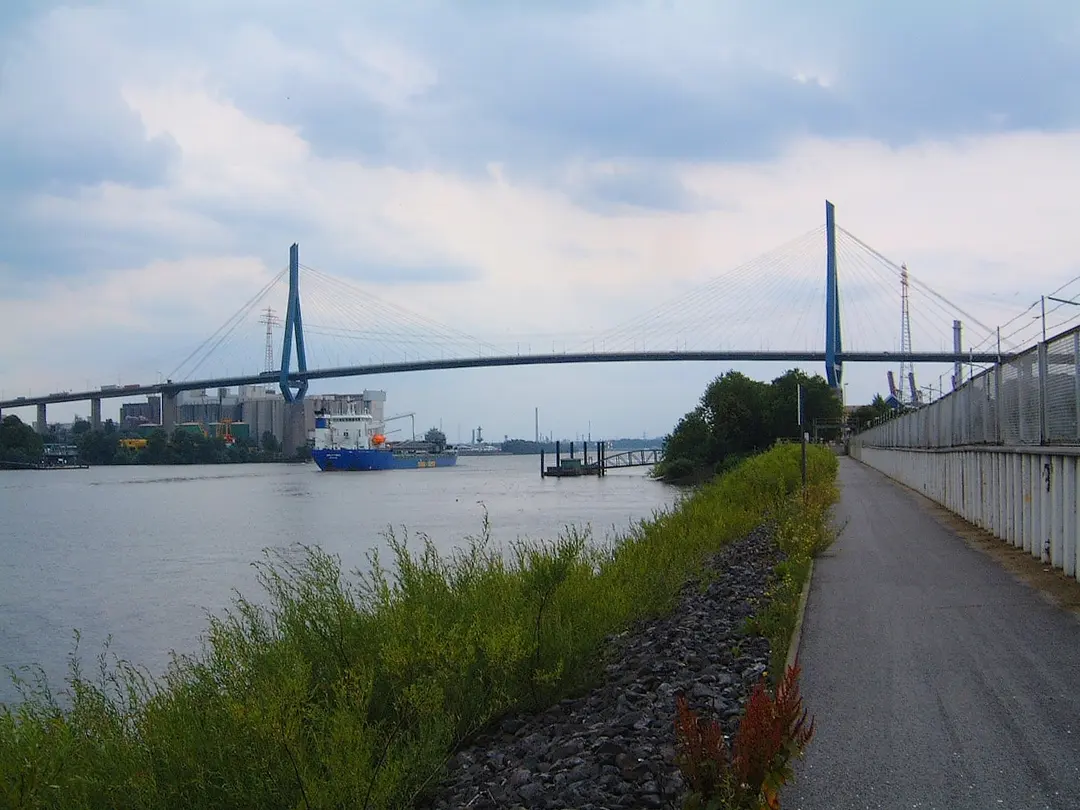
1974 harbor landmark, 53 m above the Köhlbrand — to be replaced by a tunnel in the 2030s.
Hamburg
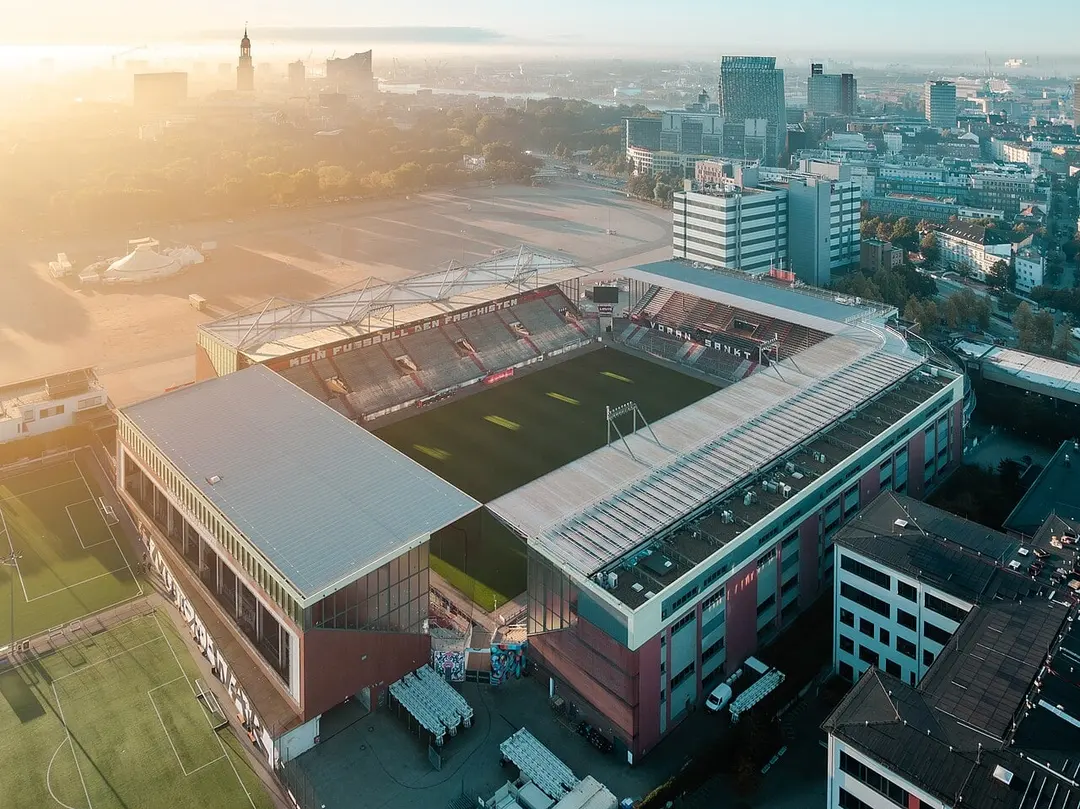
Cult stadium on Heiligengeistfeld, 29,500 seats — skull flags, antifascist home games, weekday stadium tours.
Hamburg
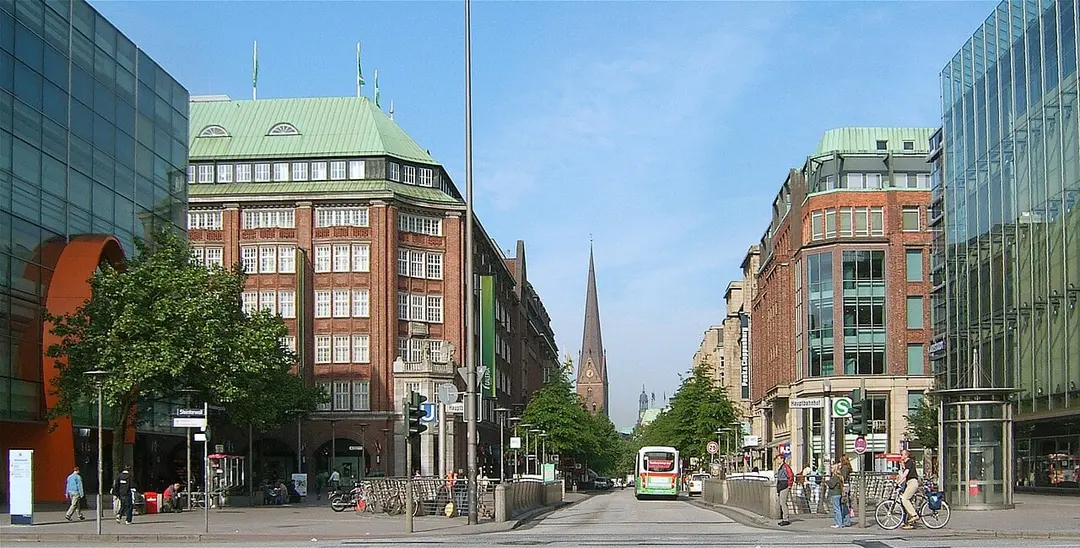
1908 retail street between city hall and central station — department stores flanked by St. Petri and St. Jacobi.
Hamburg
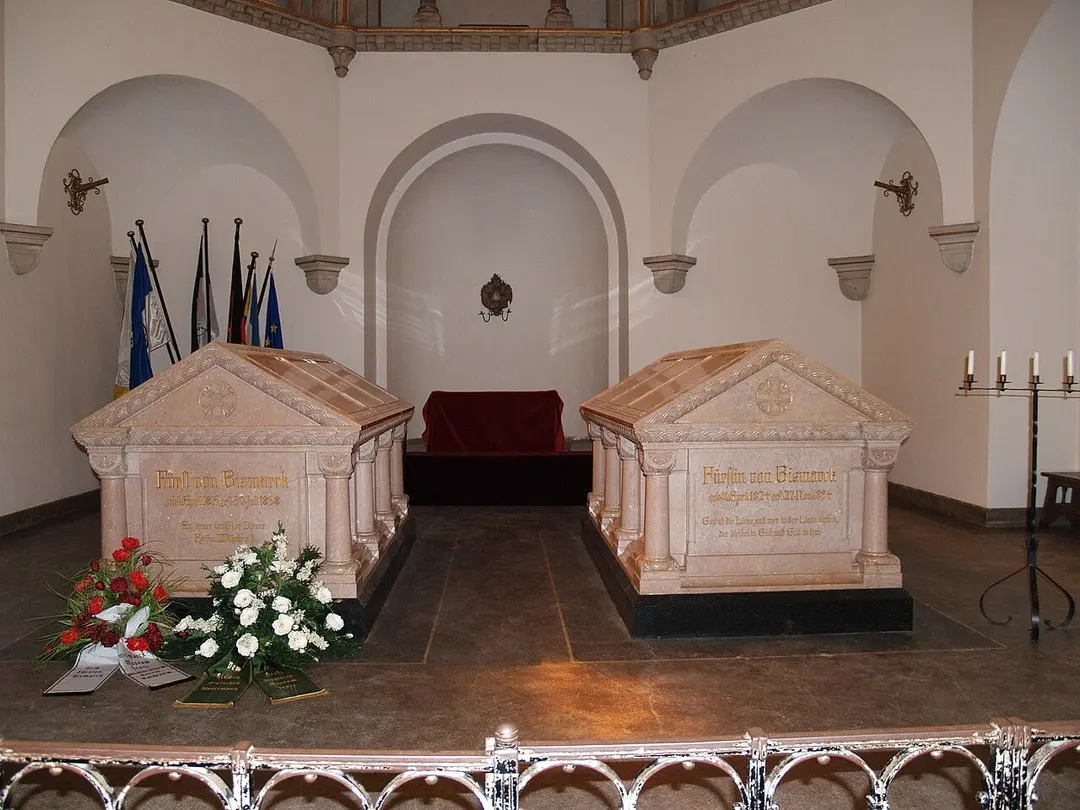
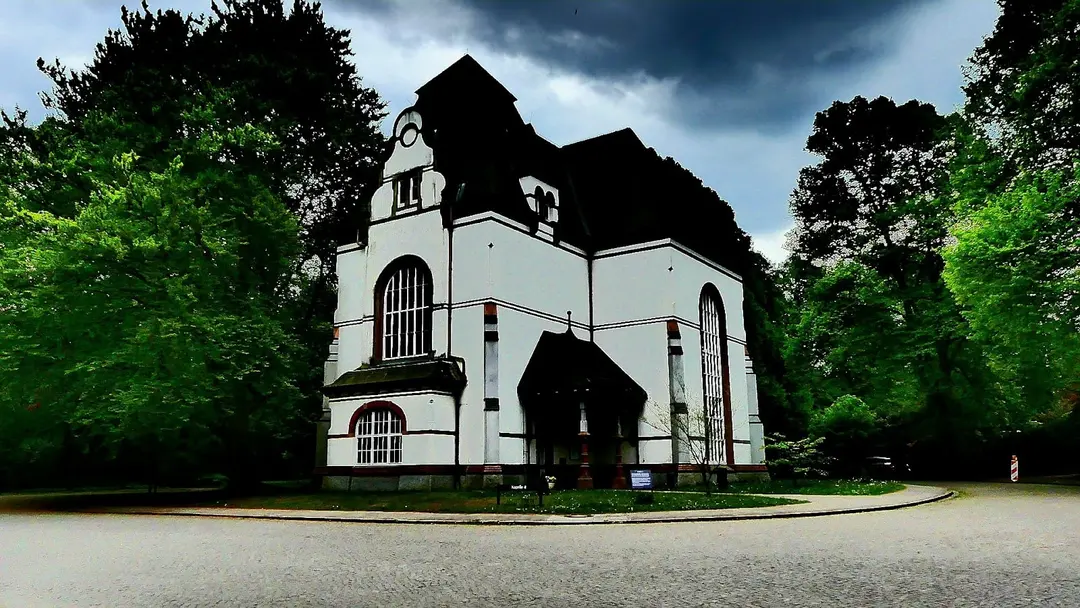
389 hectares of park-cemetery since 1877 — mausoleums, ponds, sculptures, bus lines crossing through — unusually peaceful.
Hamburg
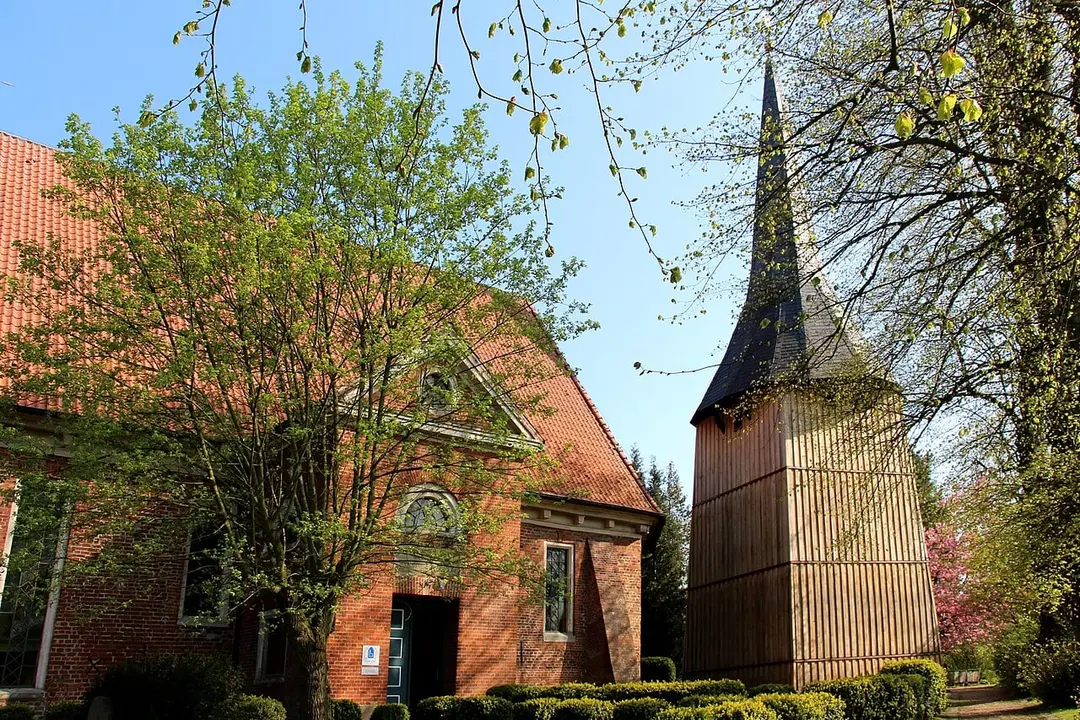
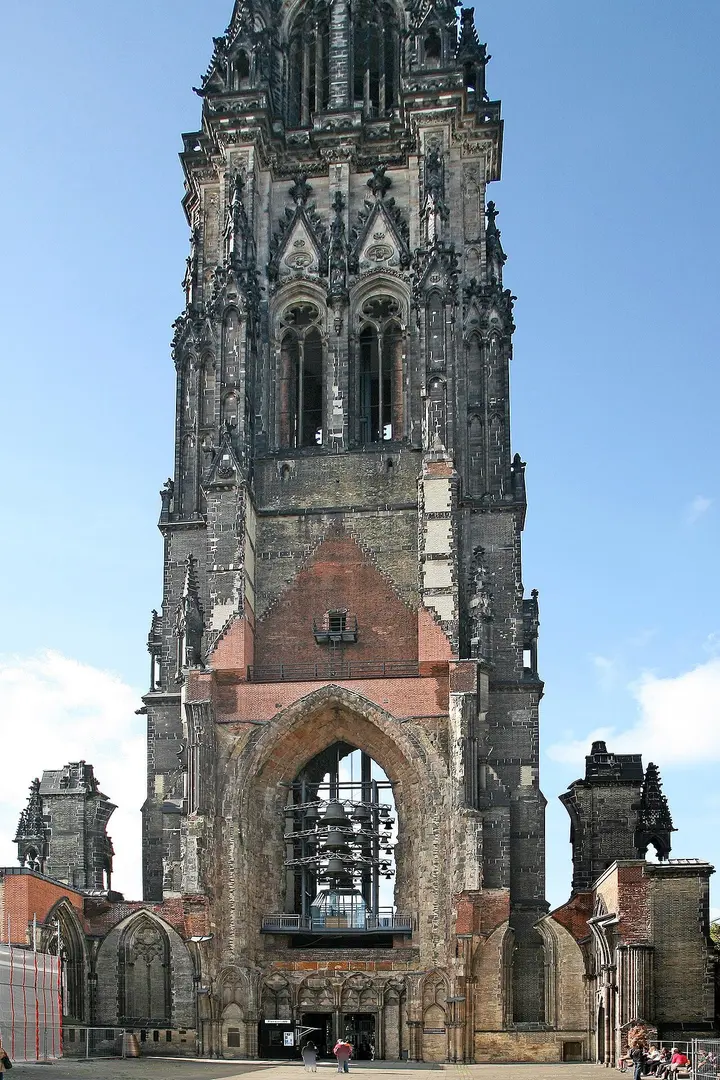
One of Hamburg's five main churches, 14th-century Gothic nave with a Baroque tower top — right by Speicherstadt.
Hamburg
Hamburg
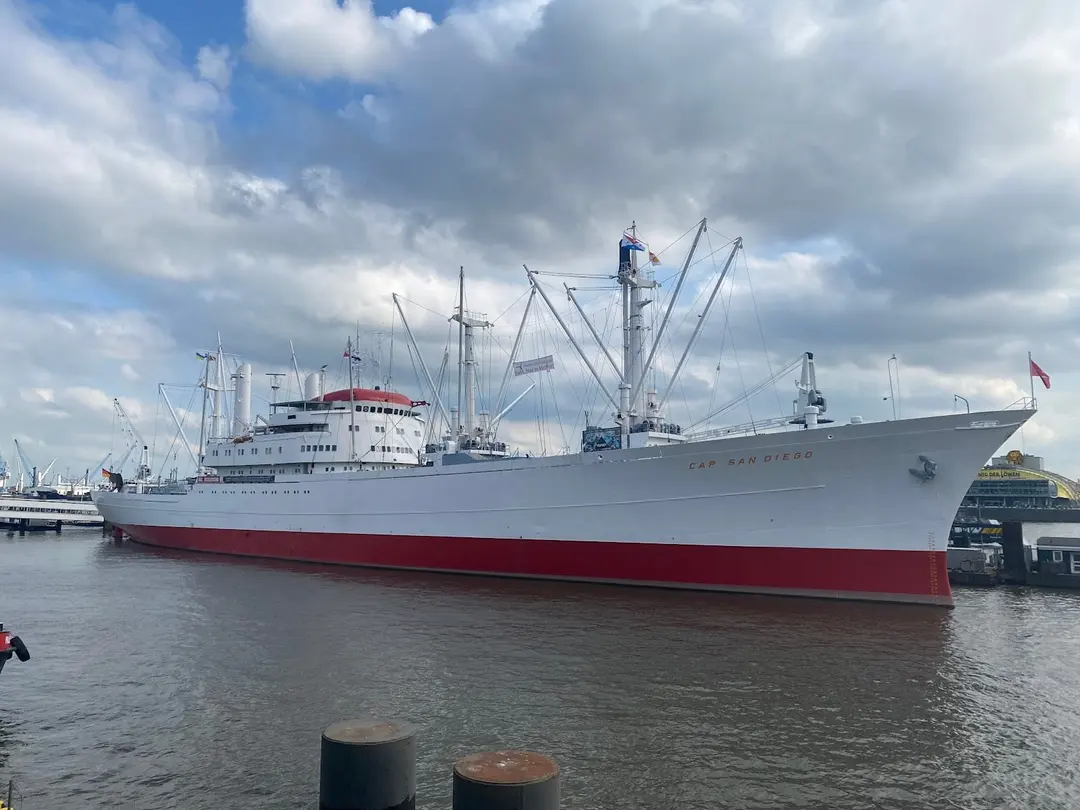
Hamburg
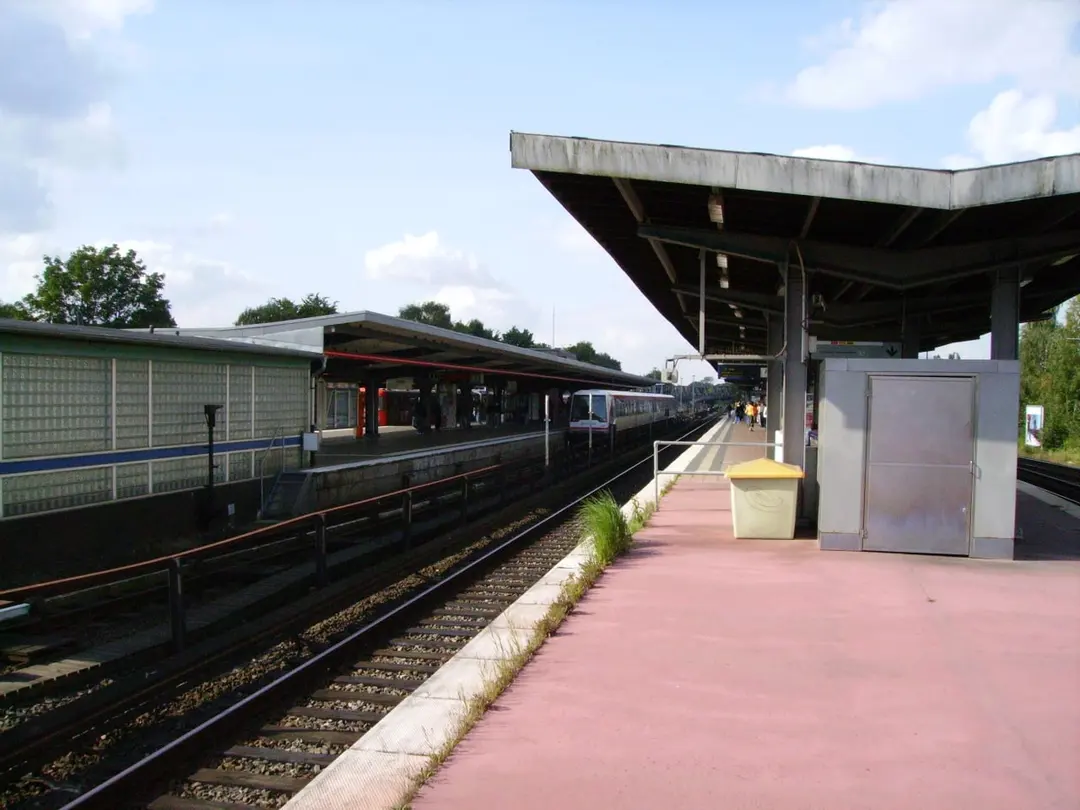
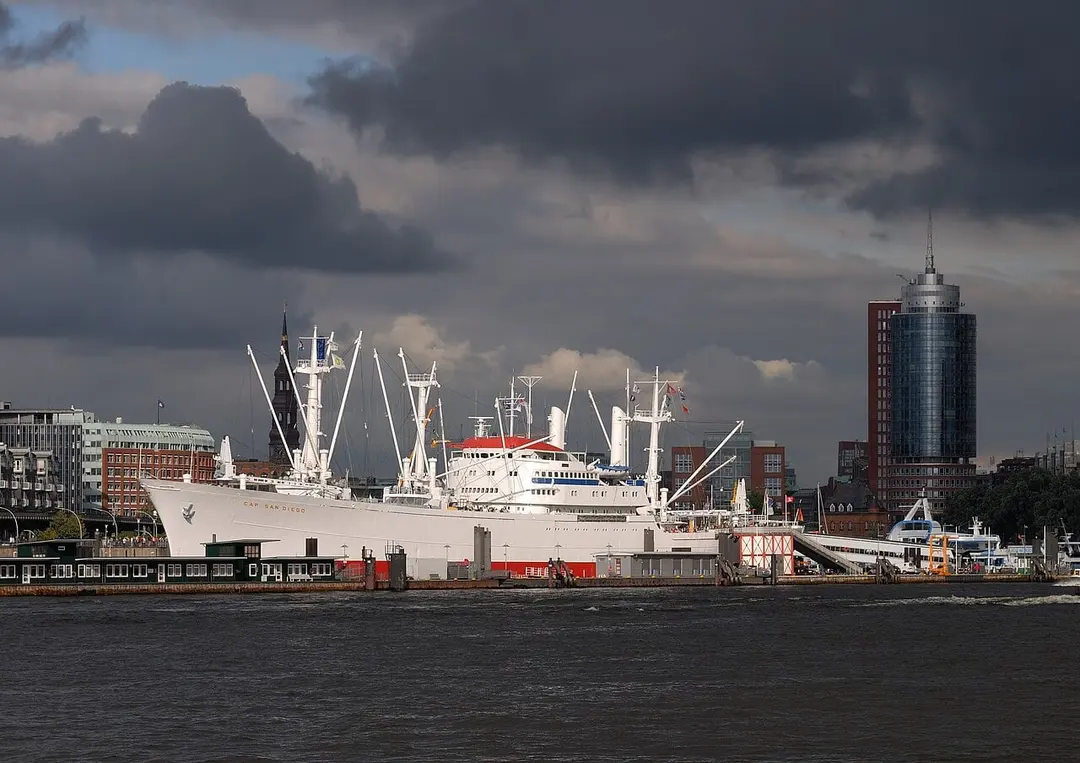
Floating piers with U- and S-Bahn stops, harbor tours, the tide gauge and souvenir kiosks.
Hamburg
Hamburg
Hamburg
Hamburg
Hamburg
Hamburg
Hamburg
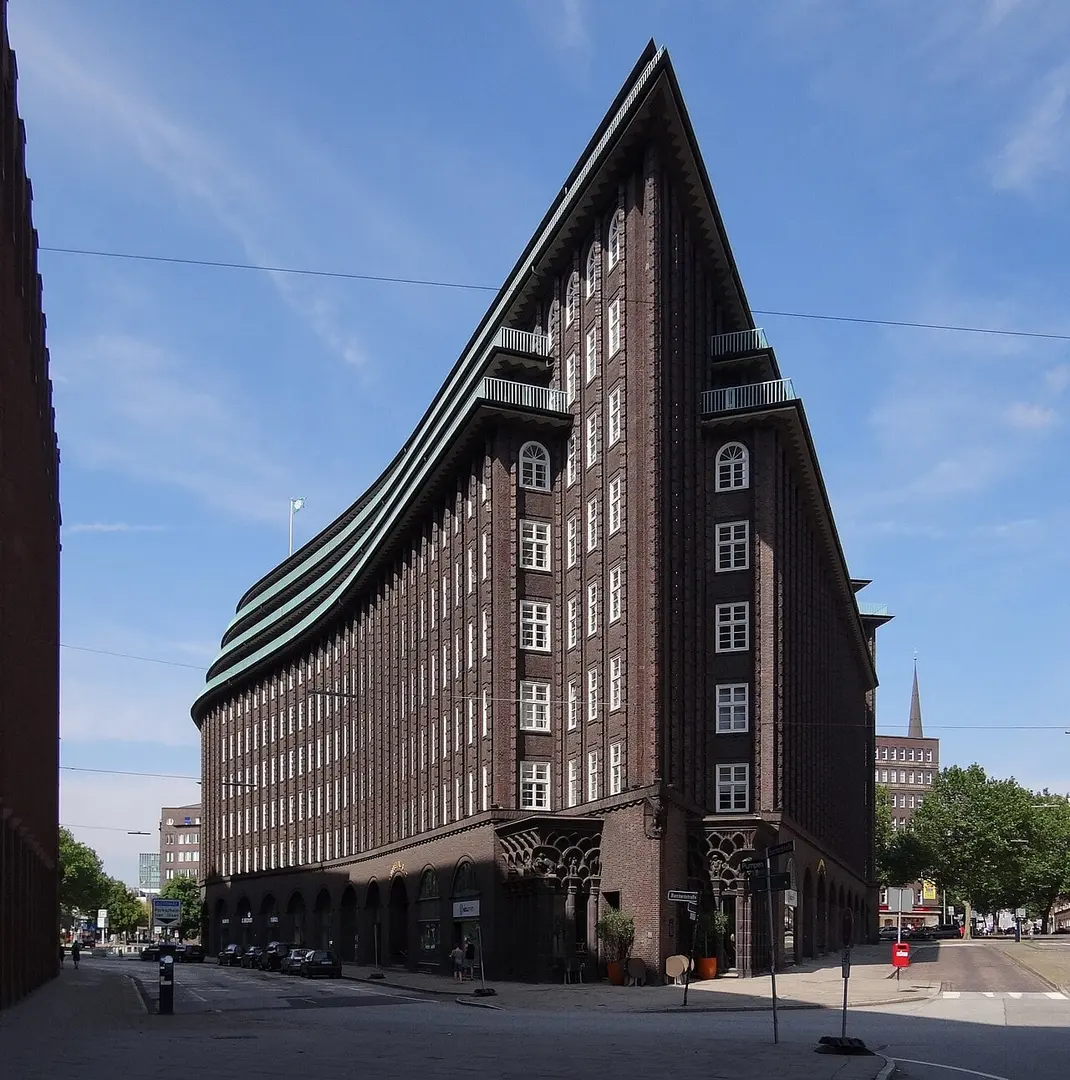
Fritz Höger's 1924 office building shaped like a ship's bow, 4.8 million bricks — UNESCO heritage.
Hamburg
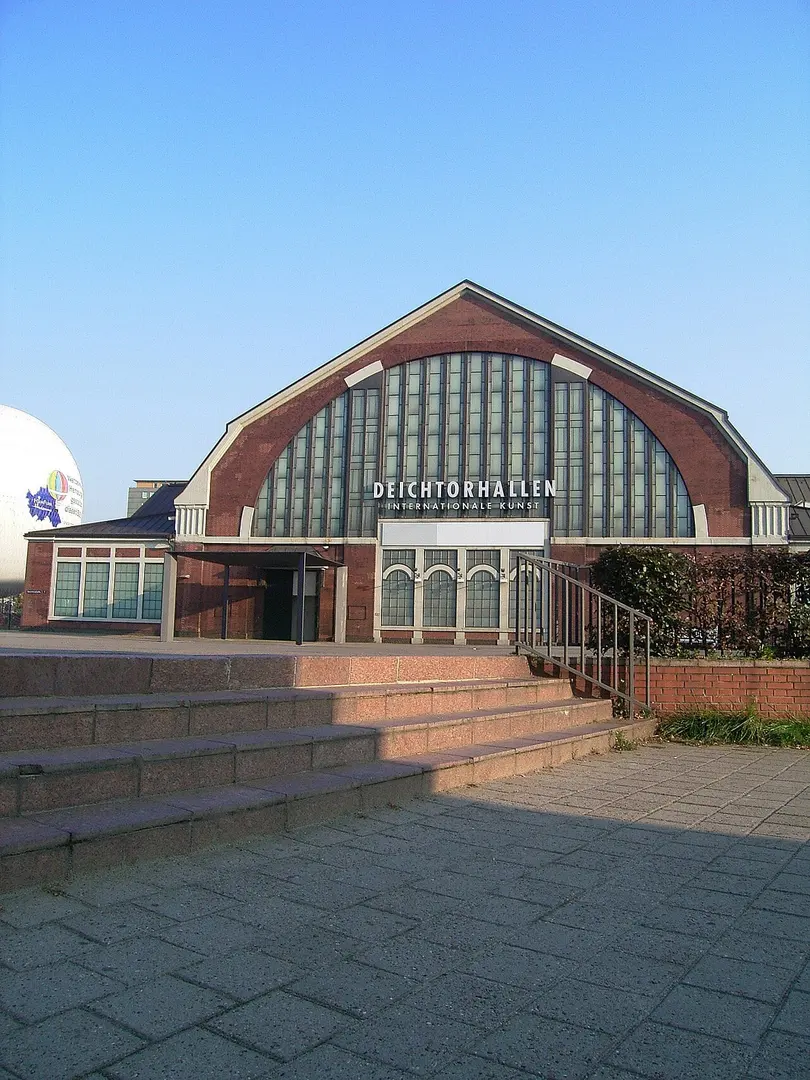
1911 market halls, now Hamburg's contemporary art venues — Haus der Photographie + Halle für aktuelle Kunst.
Hamburg
Hamburg
Hamburg
Hamburg
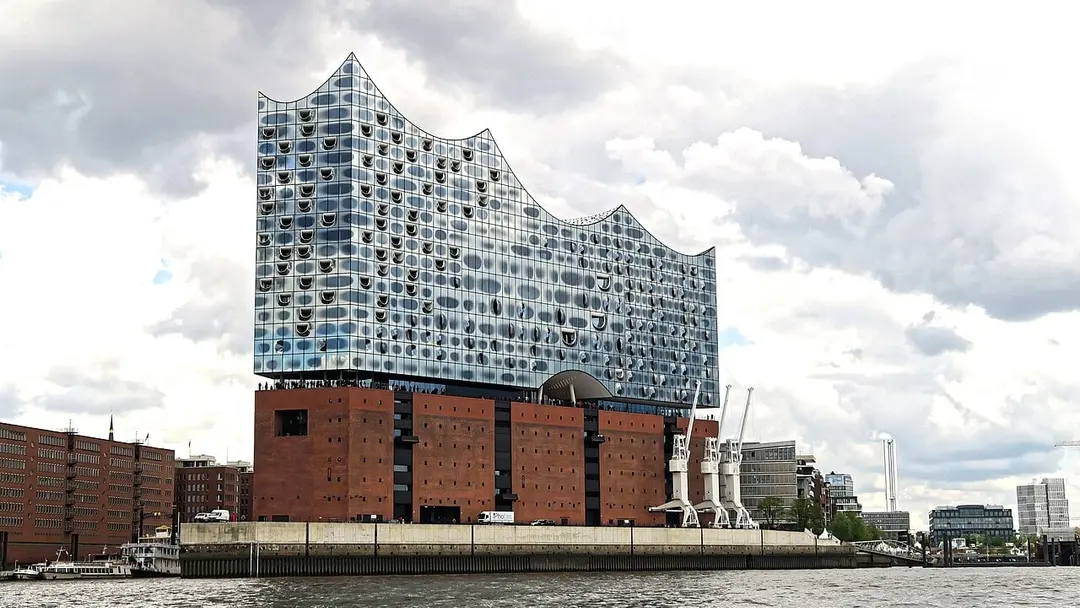
Herzog & de Meuron concert hall built on top of a 1960s cocoa warehouse, with a public plaza 37 m up.
Hamburg
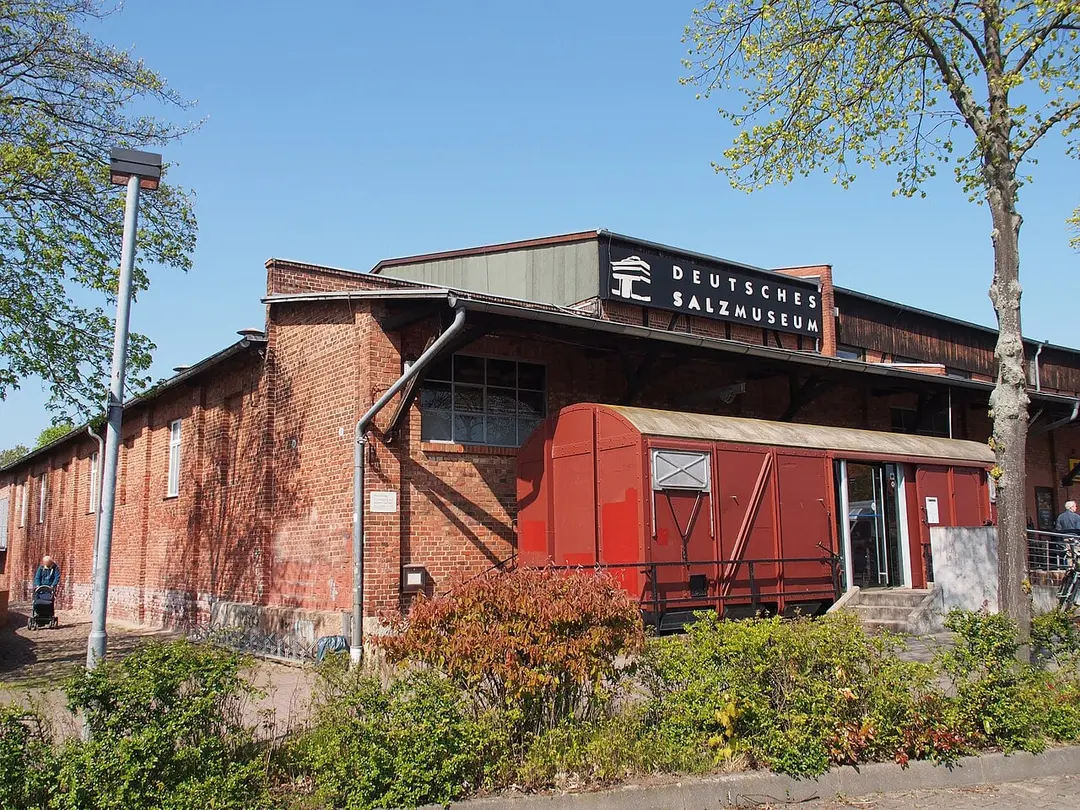
The German Salt Museum stands on the site of the former Lüneburg saltworks, which produced salt for over a thousand years and made the city a major medieval trading hub. Opened in 1989 and listed as an architectural monument in Lower Saxony, the museum traces the history of salt production from the Middle Ages to the 20th century. Original industrial equipment, evaporation pans, and workers' tools bring the daily life of the salt-makers vividly to life. Lüneburg owed almost its entire wealth to this white gold.
Hamburg
Hamburg
Hamburg
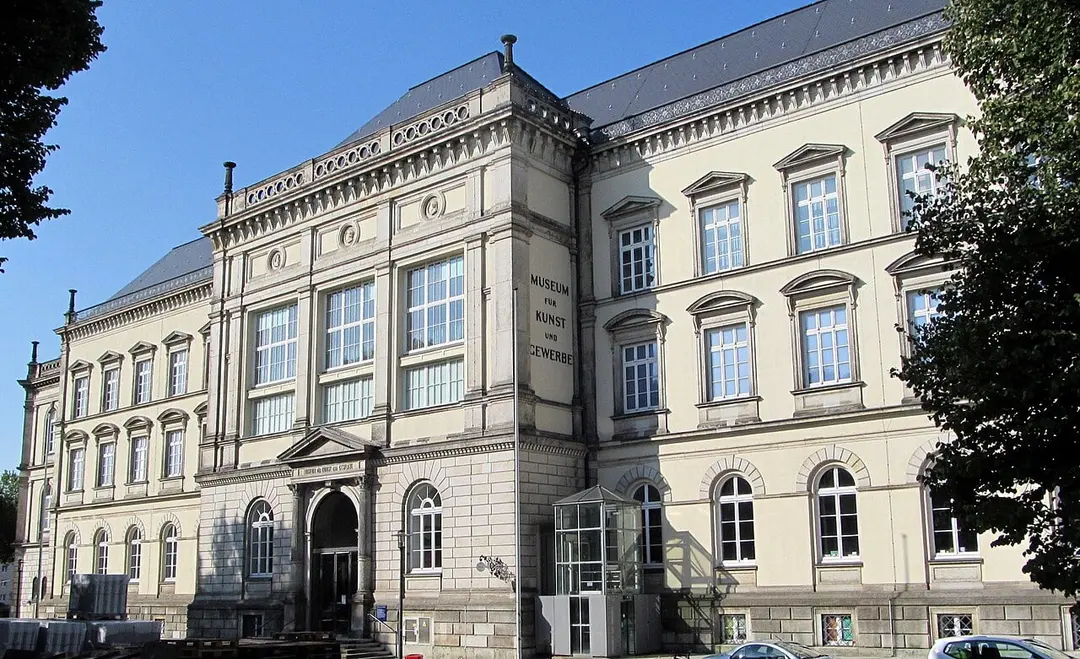
The Museum für Kunst und Gewerbe Hamburg (MKG) is one of the most significant applied arts museums in the German-speaking world. Founded in 1877 — the fifth of its kind in the German-speaking countries — it holds wide-ranging collections spanning European, ancient, and Asian fine and applied arts. The museum building at Steintorplatz in the St. Georg district, directly adjacent to Hamburg central station, is itself a protected Gründerzeit heritage monument. Until 1970, it also housed a trade school; from 1876 to 1905, it was home to the Johanneum grammar school. Today run by a public-law foundation, the museum covers an unusually broad spectrum — from ceramics and textiles to fashion, Jugendstil, and digital culture.
Hamburg
City park hosting Europe's largest Japanese garden and summer water-light concerts on the lake.
Keep exploring
Rate places with a swipe — TravelType learns from your tags what you love and curates your own map. Private until you choose to share.